
New Tools to Speed Up Tuberculosis Diagnosis and Treatment
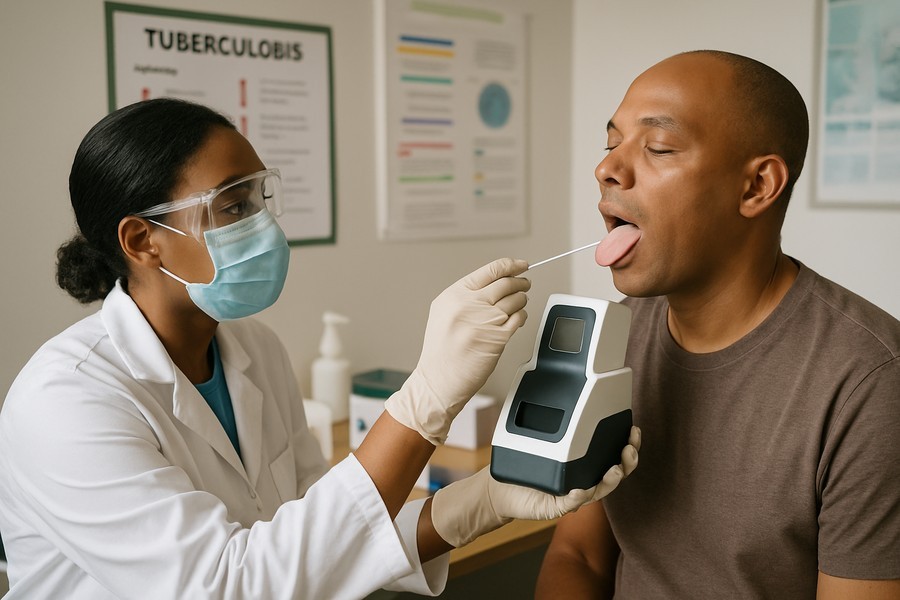
On a day dedicated to raising awareness about Tuberculosis (TB), a major global health body is pushing for countries to speed up efforts to curb TB. The body advocates for increased availability of life-saving services through the use of innovative techniques. These include diagnostic tests that can be conducted near patient care points and the use of tongue swabs for faster disease detection, thereby reaching a larger population.
Revolutionizing TB Detection
New guidelines have been issued for conducting TB tests at points close to patient care. This is a significant move toward quicker detection and treatment of TB, one of the world's most fatal infectious diseases. The convenience of these portable, easy-to-use tests allows for TB diagnosis to be carried out where people routinely seek care. These tests cost less than half of many existing molecular diagnostics, enhancing access to testing. The tests run on battery power and can deliver results in less than an hour, facilitating earlier treatment for patients.
"The introduction of these tools is transformative for the fight against TB. They allow for swift, precise diagnosis, saving lives, reducing transmission, and cutting costs," says the head of the global health body. "We urge all countries to increase access to these tools and other resources, so that every person with TB can be detected and treated promptly."
Additionally, these devices could potentially test for other diseases such as HIV, mpox, and HPV, making diagnostics more patient-focused and equitable. This fits in with the one-stop-shop style services for newly emerging and circulating diseases.
Expanding TB Testing with New Collection Methods
The guidelines also advocate for the use of tongue swab samples and a cost-effective sputum pooling strategy to enhance TB and rifampicin-resistant TB testing efficiency. Tongue swabs enable adults and adolescents who cannot produce sputum to be tested for TB for the first time, making disease detection possible in people who have a higher risk of dying from TB. Sputum pooling, where samples from multiple individuals are combined and tested together, can significantly reduce costs and machine use time, leading to quicker results for individuals and TB programs. This method is particularly recommended when resources are extremely limited.
Risk of Progress Reversal without Faster Diagnosis
TB continues to be among the world's most deadly infectious killers. Every day, over 3300 people succumb to TB, and more than 29,000 people contract this preventable and curable disease. Global efforts to combat TB have saved an estimated 83 million lives since 2000. However, reductions in global health funding threaten to undo these achievements. Many countries have struggled to adopt rapid diagnostic tools, in part, due to high costs and dependence on transporting samples for testing at centralized labs.
Scaling up tried-and-tested solutions, including point-of-care urine tests for people living with HIV, and near-point-of-care tests for individuals with and without HIV, can collectively help close diagnostic gaps across all levels of the health system. Such efforts can help move towards global targets for universal access to TB and drug resistance testing, reduce treatment initiation delays, and curb transmission.
Urgent Call for Action on World TB Day
On this special day, under the theme "Yes! We can end TB: Led by countries, powered by people", the global health body is calling for urgent action to:
- Speed up the roll out of diagnostic technologies that can be used near patient care points and other innovations as part of a comprehensive testing network
- Strengthen patient-centered TB care through meaningful community leadership and continuous engagement
- Build resilient health systems to safeguard health security
- Address the social and economic factors contributing to TB through multisectoral action
- Protect essential TB services amid global crises and funding constraints
"Investing in TB is a strategic political and economic choice, which can generate up to US$ 43 in health and economic returns for every dollar spent," says the Director of the global health body's Department. "What is needed now is decisive leadership, strategic investment, and rapid implementation of our recommendations and innovations to save lives and protect communities."
Further Innovation and Research Needed
While the new diagnostic tools are a critical step forward, ending TB will require continuous investment in research and innovation. Global funding for TB research falls far short of the estimated annual need of around US$ 5 billion, leaving significant gaps in the development of new diagnostics, medicines, and vaccines needed to stop the epidemic.
The global health body is working with partners to expedite progress through initiatives such as the TB Vaccine Accelerator Council. This council aims to expedite the development and equitable access to new TB vaccines by aligning governments, researchers, funders, and the industry around shared priorities and coordinated investment.
As countries mark this special day, the global health body urges governments and partners to prioritize TB as a key aspect of health security and universal health coverage.