
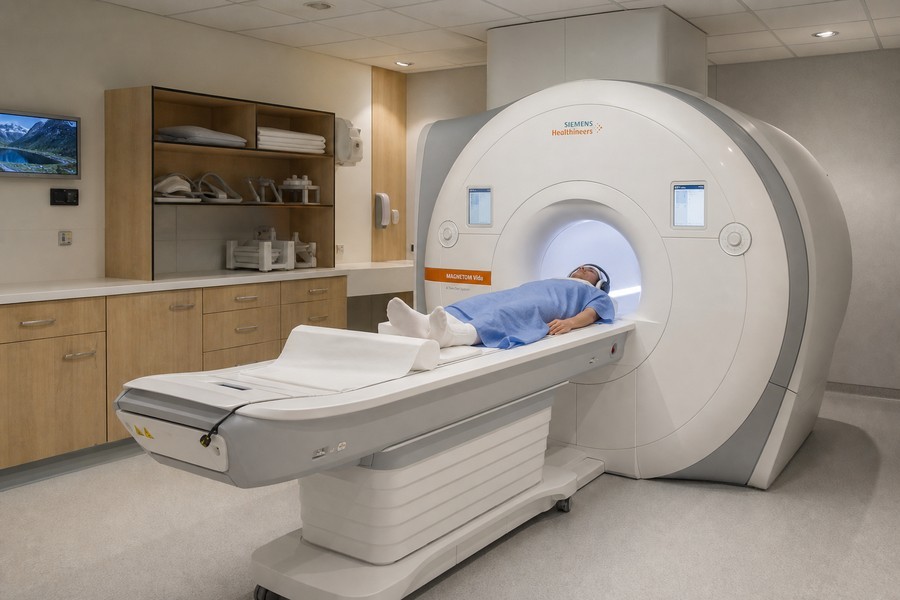
Should You Get a Full-Body Scan? The Pros and Cons of a Growing Health Trend
More and more people are choosing to get elective full-body MRI scans. This trend is growing quickly, thanks in part to popular online personalities and a general desire for people to take control of their health. Supporters of these scans believe they can spot serious illnesses like cancer long before any symptoms show up. However, many medical professionals are raising concerns, warning that these scans might actually cause more problems than they solve.
The Rise of the Full-Body Scan
On various social media platforms, popular creators are sharing their personal experiences with these head-to-toe imaging tests. They often talk about how these scans can look for early-stage cancers and hundreds of other silent health issues. The main message online is that people have a right to know what is happening inside their bodies before they ever feel sick.
Companies that sell these scans directly to the public use similar ideas in their marketing. They target people who want to be proactive about their health. According to a medical director at one of these scanning businesses, about one out of every five patients who gets a scan will end up with a finding that requires some kind of follow-up care. How these findings are handled usually depends on how serious the issue seems and how sure the doctors are about what they are seeing.
Why Many Doctors Suggest Caution
While finding a disease early sounds like a great idea, major medical organizations do not recommend elective full-body scans for healthy people. These groups argue that there is no strong evidence showing that these scans help people live longer. Instead, they worry that the tests can lead to unnecessary stress, extra medical tests, and even risky treatments.
One major concern among radiologists is the discovery of harmless spots or shadows that turn out to be nothing to worry about. When a scan finds one of these harmless lumps, it often sets off a chain reaction of anxiety and invasive testing.
Doctors point out that while regular screenings for things like colon or breast cancer are proven to save lives, not all diseases behave the same way. For example:
- Prostate issues: Some types of prostate cancer grow so slowly that they would never cause health problems during a person's lifetime. Finding them can lead to treatments that cause unnecessary pain and worry.
- Ovarian cancer study: A study on ovarian cancer screenings showed that checking healthy women did not lower the death rate. In that study, 212 women were diagnosed with ovarian cancer, but their survival rates were the same as those who were not screened. Furthermore, more than 1,000 women who got the elective screening ended up having surgeries they did not actually need.
The Desire to Know vs. The Cost of Knowing
Despite these warnings, some people still feel that having more information is always better. A medical director of a scanning company explained that many patients want this data regardless of whether it changes their long-term survival chances. For people with families depending on them, simply knowing about a potential issue can feel worth it, even if it does not change the ultimate outcome.
In addition to looking for cancer, scanning companies say their machines can find issues related to heart health, bones, and joints. They view these scans as part of a modern approach to medicine where patients have more choices.
However, these choices come with a high price tag. A single full-body MRI scan usually costs between $1,500 and $4,000. Because these scans are elective and not recommended by major medical guidelines, health insurance companies rarely cover the cost. This means patients must pay the entire bill out of their own pockets.
What Should You Do?
Medical experts advise that just because a technology is available does not mean it is the right choice for everyone. A scan might not bring the peace of mind that patients hope to find.
Before spending money on an elective scan, doctors suggest taking the following steps:
- Schedule a meeting with your regular family doctor to discuss your personal health history.
- Talk about any illnesses that run in your family or risks related to your job.
- Focus on proven screening tests that are already recommended for your age and gender.
Ultimately, deciding whether to get a full-body scan requires looking closely at both the potential benefits and the very real risks of over-testing.</p