
Every generation develops its own habits, entertainment, fashion, and hobbies. What feels exciting and natural to younger people can seem confusing, pointless, or even irritating to those who grew up with very different technology and social customs. A collection of comments from older adults reveals just how wide that gap can be, especially when it comes to online culture, video games, music, fashion, and everyday routines.
The responses covered many parts of modern life. Some people questioned why strangers follow online personalities, while others could not understand the appeal of watching someone else play a game. Several were puzzled by popular drinks, collectible toys, selfies, and television shows. Although these opinions were not shared by everyone in the older generation, they showed how quickly cultural trends can change.
Confusion About Online Personalities and Videos
One older adult said online influencers were especially difficult to understand. This person could not see why anyone would care about the opinions of a young stranger who lives far away. The same respondent also disliked computer games, explaining that they had tried one in the early days of gaming and found it boring. Watching people perform choreographed dances, including dances at weddings, was another trend they found embarrassing rather than entertaining.

Reaction videos also caused confusion. One commenter described videos in which someone watches another clip and adds only a few short remarks, such as saying that it was funny, surprising, or impressive. From that person’s point of view, viewers could simply watch the original video instead. Games that involve repeated tapping, merging objects, collecting virtual money, or making progress without much skill seemed equally difficult to understand. The appeal appeared to be their simplicity, but that simplicity was exactly what made them seem pointless.
Other adults questioned the popularity of short-form video platforms and online game worlds. One person found video creators irritating and could not understand why people followed them. The same person was confused when a young granddaughter asked them to join an online game during a video call. Another adult said they were comfortable playing games online with their children and generally understood social media, yet still could not see the purpose of an app built around disappearing photos.

Selfies, Posts, and Living Online
Selfies were another common source of disagreement. One older commenter viewed frequent self-portraits as a sign of conceit. They were comfortable sharing an occasional photograph taken during a special outing with a spouse, but did not understand posing alone in front of a mirror and publishing the result. Seeing large numbers of selfies online made the person feel uncomfortable rather than connected.
The culture of carefully creating moments for social media also seemed strange to another respondent. This person said younger relatives sometimes appeared to treat every event as material for an online post. They wished people would take photographs simply to remember an experience instead of focusing on attention, reactions, or approval from others. The concern was not photography itself, but the feeling that documenting life had become more important than enjoying it.
A separate trend that puzzled one adult was “bedrotting,” meaning spending long periods in bed while scrolling on a phone and doing very little else. The commenter could not understand why someone would choose to remain inactive for hours when there were countless other activities available. To them, even a simple task or small project seemed preferable to lying in bed and endlessly looking at a screen.

Animation, Games, and Collectibles
Anime also drew criticism from several older viewers. One person said the visual style and dialogue did not appeal to them, while characters wearing animal ears seemed unnecessary. Loud shouting in some shows was another major turnoff. Although this viewer acknowledged that certain stories could be interesting, the style and presentation made it difficult to continue watching.
Adult animated comedies created a similar reaction for another 60-year-old viewer. Shows aimed at adults, including several well-known animated series, seemed foolish rather than funny. The person said watching them was irritating and made them feel disconnected from current entertainment. Their reaction reflected a broader uncertainty about why animation, once strongly associated with children, is now used for many kinds of adult humor.
Tabletop card games were also hard for some older adults to follow. One commenter could understand why people might enjoy collecting cards or playing a strategy game around a table, but conversations about the strongest or rarest cards sounded like an unfamiliar language. Collectible toys that can be squeezed, stretched, or squished caused similar confusion. One adult wondered why children and adults would pay high prices, visit many stores, and travel long distances to find these soft toys.

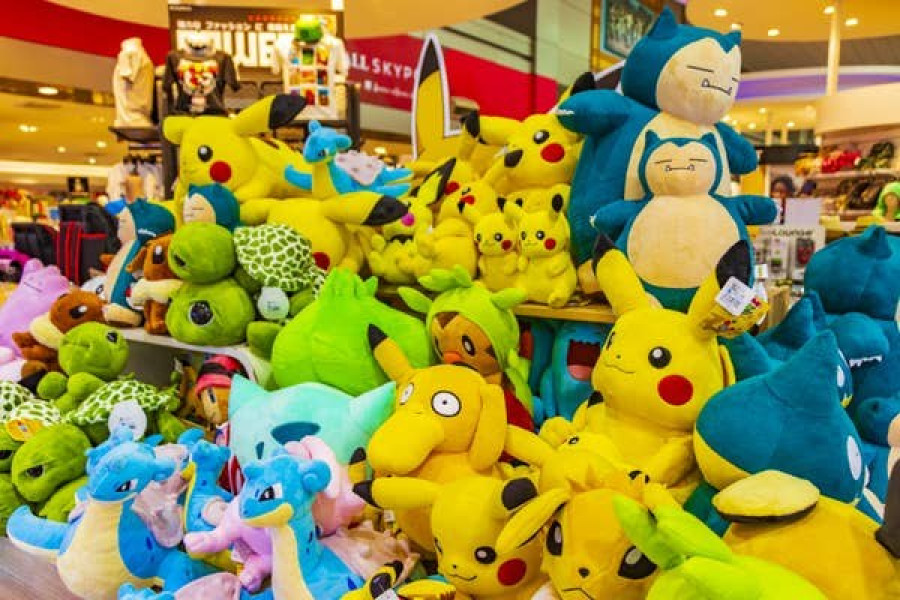
Some respondents were also baffled by popular fictional creatures and characters that have inspired decades of games, cards, toys, and television shows. One person admitted never understanding the appeal of the famous pocket monsters, even though the characters remain extremely popular with people of many ages.
Music, Television, and Watching Other People Play
Modern music received some of the strongest criticism. One adult said much of today’s music sounded unpleasant, especially live events where performers change familiar songs and add repeated vocal sounds. In that person’s view, the alterations rarely improved the original recordings.
Another commenter preferred the rock and pop music they heard while growing up, naming classic groups and singers from that period as examples. They did not understand the appeal of rap and described it as talking over music. Reality television was also confusing to them because they preferred programs built around written storylines. The popularity of unscripted shows seemed to suggest that unusual real-life behavior had become entertainment in its own right.

Watching video game streams was another modern habit that seemed unnecessary. One respondent wondered why anyone would spend hours watching another person play when they could use that same game themselves. Role-playing games created a related complaint. Wandering through a virtual world as an avatar, without a clear strategy or definite ending, seemed repetitive and boring to one older adult.
Fashion, Drinks, and Difficult Choices
Fashion trends among young men were especially confusing to one person living in Japan. They described oversized, thin shirts and loose trousers, often paired with center-parted hair and long bangs. The style appeared inexpensive and reminded the commenter of unattractive polyester clothing from earlier decades. They believed many young people adopted whatever look was considered fashionable in hopes of appearing popular, comparing it with a once-common hairstyle in the United States that featured large, rounded hair.
The growing popularity of specialty drinks also raised questions. One older adult was surprised by the number of drink shops and could not understand why young people might spend about eight dollars on a colorful fruit-based beverage instead of going out for a meal. To them, the amount of money seemed high for something that was finished quickly.
Not every confusing trend involved entertainment. One older adult described a granddaughter who had been elected to a three-year term as a town councilwoman. The commenter had previously served as an elected official and remembered the stress involved with budgets, contracts, bidding, and running a local government. They could not understand why the granddaughter would willingly choose such a demanding role, especially after seeing those frustrations firsthand. They also worried because council members had received threats of physical harm. Even so, the person respected the granddaughter’s patience and intelligence and supported her completely.
These reactions show how personal experience shapes opinions about new trends. Online games, animation, collectible toys, specialty drinks, and social media may seem obvious to one generation and completely unnecessary to another. The disagreement is often less about a single app, show, or hobby than about changing ideas of entertainment, friendship, status, and self-expression. As culture continues to shift, today’s familiar habits may eventually become just as puzzling to the people who come after them.
The responses covered many parts of modern life. Some people questioned why strangers follow online personalities, while others could not understand the appeal of watching someone else play a game. Several were puzzled by popular drinks, collectible toys, selfies, and television shows. Although these opinions were not shared by everyone in the older generation, they showed how quickly cultural trends can change.
Confusion About Online Personalities and Videos
One older adult said online influencers were especially difficult to understand. This person could not see why anyone would care about the opinions of a young stranger who lives far away. The same respondent also disliked computer games, explaining that they had tried one in the early days of gaming and found it boring. Watching people perform choreographed dances, including dances at weddings, was another trend they found embarrassing rather than entertaining.
Reaction videos also caused confusion. One commenter described videos in which someone watches another clip and adds only a few short remarks, such as saying that it was funny, surprising, or impressive. From that person’s point of view, viewers could simply watch the original video instead. Games that involve repeated tapping, merging objects, collecting virtual money, or making progress without much skill seemed equally difficult to understand. The appeal appeared to be their simplicity, but that simplicity was exactly what made them seem pointless.
Other adults questioned the popularity of short-form video platforms and online game worlds. One person found video creators irritating and could not understand why people followed them. The same person was confused when a young granddaughter asked them to join an online game during a video call. Another adult said they were comfortable playing games online with their children and generally understood social media, yet still could not see the purpose of an app built around disappearing photos.
Selfies, Posts, and Living Online
Selfies were another common source of disagreement. One older commenter viewed frequent self-portraits as a sign of conceit. They were comfortable sharing an occasional photograph taken during a special outing with a spouse, but did not understand posing alone in front of a mirror and publishing the result. Seeing large numbers of selfies online made the person feel uncomfortable rather than connected.
The culture of carefully creating moments for social media also seemed strange to another respondent. This person said younger relatives sometimes appeared to treat every event as material for an online post. They wished people would take photographs simply to remember an experience instead of focusing on attention, reactions, or approval from others. The concern was not photography itself, but the feeling that documenting life had become more important than enjoying it.
A separate trend that puzzled one adult was “bedrotting,” meaning spending long periods in bed while scrolling on a phone and doing very little else. The commenter could not understand why someone would choose to remain inactive for hours when there were countless other activities available. To them, even a simple task or small project seemed preferable to lying in bed and endlessly looking at a screen.
Animation, Games, and Collectibles
Anime also drew criticism from several older viewers. One person said the visual style and dialogue did not appeal to them, while characters wearing animal ears seemed unnecessary. Loud shouting in some shows was another major turnoff. Although this viewer acknowledged that certain stories could be interesting, the style and presentation made it difficult to continue watching.
Adult animated comedies created a similar reaction for another 60-year-old viewer. Shows aimed at adults, including several well-known animated series, seemed foolish rather than funny. The person said watching them was irritating and made them feel disconnected from current entertainment. Their reaction reflected a broader uncertainty about why animation, once strongly associated with children, is now used for many kinds of adult humor.
Tabletop card games were also hard for some older adults to follow. One commenter could understand why people might enjoy collecting cards or playing a strategy game around a table, but conversations about the strongest or rarest cards sounded like an unfamiliar language. Collectible toys that can be squeezed, stretched, or squished caused similar confusion. One adult wondered why children and adults would pay high prices, visit many stores, and travel long distances to find these soft toys.
Some respondents were also baffled by popular fictional creatures and characters that have inspired decades of games, cards, toys, and television shows. One person admitted never understanding the appeal of the famous pocket monsters, even though the characters remain extremely popular with people of many ages.
Music, Television, and Watching Other People Play
Modern music received some of the strongest criticism. One adult said much of today’s music sounded unpleasant, especially live events where performers change familiar songs and add repeated vocal sounds. In that person’s view, the alterations rarely improved the original recordings.
Another commenter preferred the rock and pop music they heard while growing up, naming classic groups and singers from that period as examples. They did not understand the appeal of rap and described it as talking over music. Reality television was also confusing to them because they preferred programs built around written storylines. The popularity of unscripted shows seemed to suggest that unusual real-life behavior had become entertainment in its own right.
Watching video game streams was another modern habit that seemed unnecessary. One respondent wondered why anyone would spend hours watching another person play when they could use that same game themselves. Role-playing games created a related complaint. Wandering through a virtual world as an avatar, without a clear strategy or definite ending, seemed repetitive and boring to one older adult.
Fashion, Drinks, and Difficult Choices
Fashion trends among young men were especially confusing to one person living in Japan. They described oversized, thin shirts and loose trousers, often paired with center-parted hair and long bangs. The style appeared inexpensive and reminded the commenter of unattractive polyester clothing from earlier decades. They believed many young people adopted whatever look was considered fashionable in hopes of appearing popular, comparing it with a once-common hairstyle in the United States that featured large, rounded hair.
The growing popularity of specialty drinks also raised questions. One older adult was surprised by the number of drink shops and could not understand why young people might spend about eight dollars on a colorful fruit-based beverage instead of going out for a meal. To them, the amount of money seemed high for something that was finished quickly.
Not every confusing trend involved entertainment. One older adult described a granddaughter who had been elected to a three-year term as a town councilwoman. The commenter had previously served as an elected official and remembered the stress involved with budgets, contracts, bidding, and running a local government. They could not understand why the granddaughter would willingly choose such a demanding role, especially after seeing those frustrations firsthand. They also worried because council members had received threats of physical harm. Even so, the person respected the granddaughter’s patience and intelligence and supported her completely.
These reactions show how personal experience shapes opinions about new trends. Online games, animation, collectible toys, specialty drinks, and social media may seem obvious to one generation and completely unnecessary to another. The disagreement is often less about a single app, show, or hobby than about changing ideas of entertainment, friendship, status, and self-expression. As culture continues to shift, today’s familiar habits may eventually become just as puzzling to the people who come after them.