
Building a Better Future: Why Cities Need to Modernize Roads and Utilities
Keeping a city's roads, pipes, and bridges in good shape is a never-ending job. Workers spend countless hours filling potholes, repaving streets, cleaning out storm drains, and swapping out old equipment. While these basic chores are very important, growing communities need to do more than just fix what is broken. We must ask ourselves how we can make our local neighborhoods safer, smarter, and stronger for the years ahead.
When local groups and neighbors work together, they can find creative ways to upgrade important transportation paths. Instead of just patching up old streets, communities can use road repairs as a chance to make lasting improvements that benefit everyone.
Making Streets Safer for Everyone
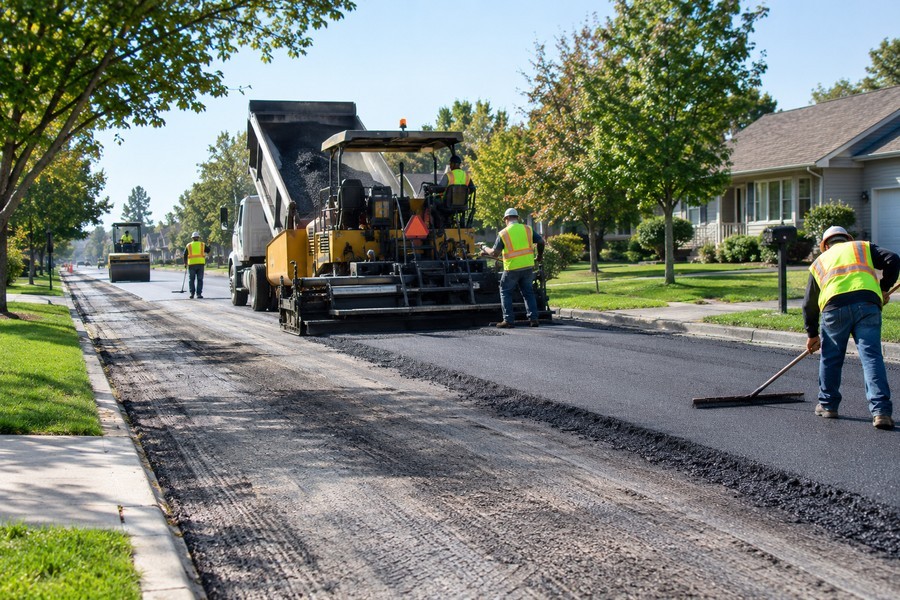
A great example of this forward-thinking approach is happening along a major local roadway in San Rafael. Instead of just laying down new asphalt and calling it a day, the community is combining road repairs with active safety upgrades. This project is introducing several key improvements to help pedestrians, bicyclists, and drivers share the road more safely:
- New flashing warning lights at key intersections, including the crossings at Knight Drive, Peacock Drive, and Riviera Drive, to help walkers cross safely.
- Clearer lane lines and bicycle markings to give cyclists their own dedicated space and prevent accidents.
- Smoother pavement that lasts longer and provides a better ride for all vehicles.
This is what modern planning looks like in the real world. By listening to the people who live in the area, planners are not just restoring the street to how it used to be. They are actively making it safer and more useful for everyone who travels on it.
A Smart Plan for Public Spaces
This same modern mindset can be used all across the community. There are many ways to upgrade public systems so they work better for modern life. Here are some of the key areas where cities can focus their efforts:
Smart Traffic Technology: By using data and advanced traffic signals, cities can keep cars moving smoothly and reduce traffic jams. This means drivers spend less time idling at red lights and more time getting where they need to go.
Cleaner Energy: Installing energy-saving lights on streets and in public buildings helps lower electricity bills and protects the environment. At the same time, adding more charging stations for electric cars makes it easier for residents and city-owned vehicles to make the switch to clean energy.
Better Internet Access: In today's world, a reliable internet connection is just as important as running water or electricity. Strengthening digital networks helps local businesses thrive and ensures that all residents can stay connected.
Strengthening the Power Grid and Going Green
Some of the most important parts of a city are things we rarely think about until they stop working. The electrical grid is a perfect example. Local governments can work closely with utility providers to make the power grid stronger. This helps prevent power outages during storms and lowers the risk of wildfires in dry seasons.
At the same time, some of the best tools for improving a city do not use any electricity at all. Planting more trees and creating green spaces can make a huge difference in a neighborhood. Natural green spaces provide shade to cool down hot streets, absorb heavy rainwater to prevent flooding, and make neighborhoods much more beautiful places to walk and play.
Planning Ahead for Changing Weather
Rising sea levels and changing weather patterns mean that local infrastructure will face tougher challenges in the coming decades. If we wait for a major flood to happen before we fix a road or a drain, we will always be playing catch-up. Instead, we must build with future conditions in mind.
Whenever a city replaces a damaged pipe, rebuilds a public facility, or repaves a highway, it should upgrade those structures to handle future stress. This requires close cooperation with local water districts and power companies to ensure that all systems are ready for whatever nature throws at them.
Balancing Growth and Budgets
When a city grows and welcomes new housing, the entire system must be considered from the very beginning. New neighborhoods need parks, safe roads, reliable utilities, and emergency access. Infrastructure should never be used as an excuse to stop a community from growing. Instead, our foundational systems must grow and adapt alongside our population.
There is also a strong financial reason to build smarter. Local governments almost never have enough money to fix everything at once. Because funds are limited, cities must get the absolute most value out of every single dollar they spend. If a crew is already digging up a street to fix a water pipe, that is the perfect time to make the road safer for bikes, install smarter water-saving irrigation systems, or add protective barriers against flooding.
A Stronger Foundation for Tomorrow
In the end, upgrading our public systems is about improving daily life for everyone. It means safer streets for children walking to school, less time wasted in traffic, fewer flooded roads during winter storms, and more reliable power when we need it most. By focusing on smart, modern solutions, we can build a stronger, more resilient community that is ready for the future.