
Your body doesn’t clock out when you do: it keeps making saliva while you swallow much less. Usually, that’s no big deal. But if your pillow suddenly starts losing the nightly battle, or drooling shows up with other symptoms, it’s worth paying attention.
A damp spot now and then is common, especially when you’re congested or sleeping on your side. Here’s what can cause it, and which clues mean it’s time to call a doctor.
1. You’re Sleeping With Your Mouth Open
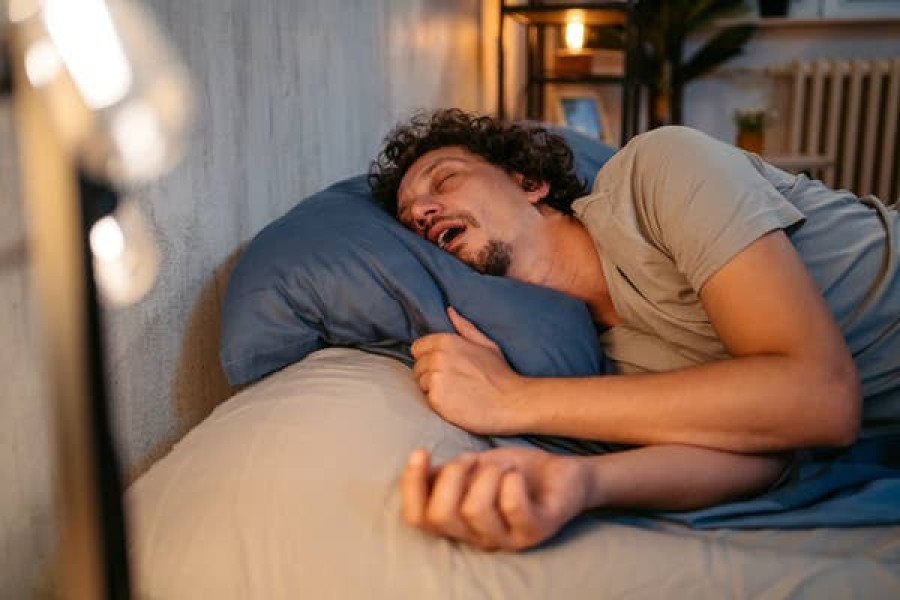
The simplest explanation is often the right one: your mouth is open, and saliva has found an exit. Mouth breathing can dry out your mouth, prompting your body to produce more saliva.
“If you’re a mouth breather, that is certainly likely to increase your risk of drooling,” said Chelsie Rohrscheib, a neuroscientist and head of sleep at Wesper.
2. Your Nose Is Blocked
A deviated septum or other issue that restricts airflow can make nose breathing difficult. So can a cold or seasonal allergies. Either way, you may end up breathing through your mouth at night, which makes drooling more likely.
Your nose normally warms, filters and adds moisture to the air you breathe. When congestion closes that route, your mouth takes over. It’s a useful backup system; it’s less useful for keeping saliva on the inside.


3. The Fan Is Drying Out the Air
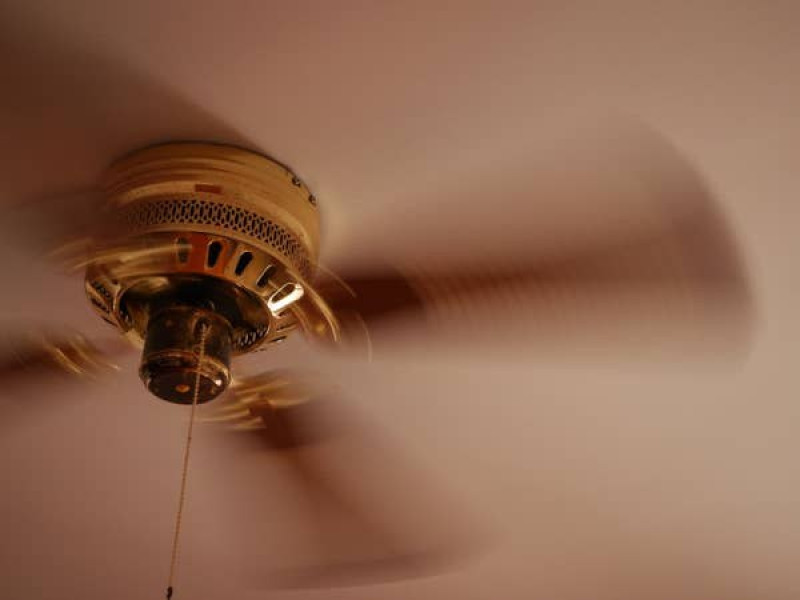
Living in an arid climate or sleeping under a ceiling fan can dry out your mouth. Your body may respond by producing more saliva, and if you’re also breathing through your mouth, that extra saliva has a convenient escape route.

4. You Sleep on Your Side or Stomach
Gravity gets a vote. Saliva is more likely to leak onto your pillow when you sleep on your side or stomach than when you sleep on your back.
“Unless they are a 100% back sleeper, most people will occasionally drool in their sleep,” said Alice Hirschel, head of scientific affairs at Natrol, a sleep and supplement company. Your pillow isn’t keeping score. It just has the evidence.
5. You May Have Sleep Apnea
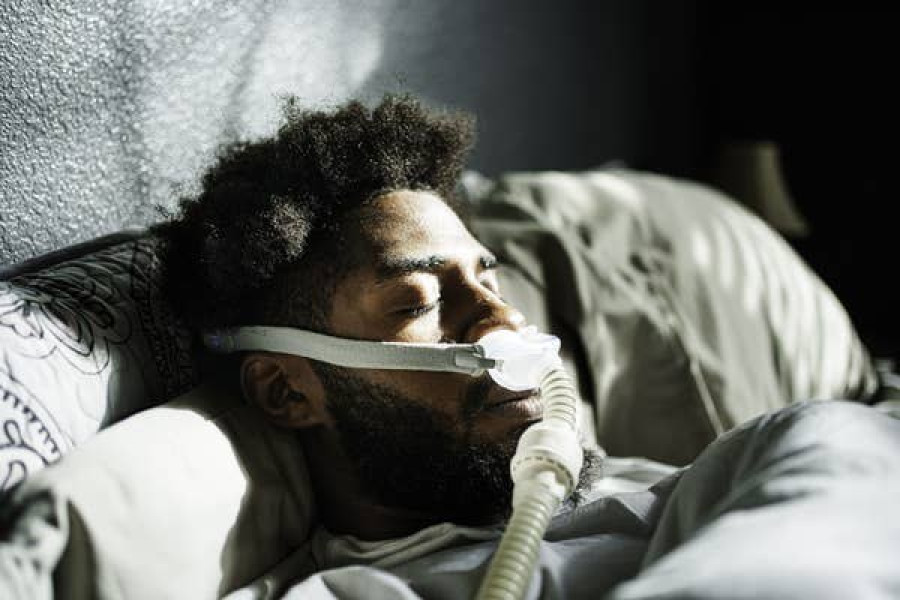
Sleep apnea causes repeated pauses in breathing during the night, often because the upper airway becomes blocked. That obstruction can lead to mouth breathing and nighttime drooling.
Drooling alone doesn’t mean you have sleep apnea. Loud snoring, pauses in breathing, waking up gasping or significant daytime sleepiness are stronger reasons to talk with a doctor.
6. You Ate a Big Meal or Drank Alcohol Before Bed
A large meal or alcohol close to bedtime can disrupt sleep, make you wake more often or leave you feeling less rested. Alcohol can also relax throat muscles and contribute to snoring or mouth breathing.
That late-night feast may have seemed like a good idea. Your sleep, at least, may disagree.

7. Age, Weight or Childhood Airway Issues Play a Part
In children, heavy drooling can be related to enlarged tonsils or adenoids that interfere with breathing. Being overweight or having diabetes can raise the risk of sleep apnea.
As people age, the muscles that help keep the airway open and the mouth closed can weaken. Older adults are also more prone to neurological conditions that can affect swallowing or saliva control.

8. Reflux Is Setting Off the Saliva Response
When you lie flat, stomach contents can move upward and cause heartburn. The body may produce extra saliva to dilute and neutralize the acid. That response is sometimes called “water brash,” and it can add to nighttime drooling.
Dr. Khoshal Latifzai, a longevity physician, said reflux can also bring a sour taste, chest burning, coughing or a sensation of something rising into the throat.

9. Your Mouth or Dental Work Is Involved
Mouth ulcers and infections can increase saliva. An open bite, where the upper and lower teeth don’t touch when the jaw is closed, can make it easier for saliva to escape.
Night guards and poorly fitting dentures may also trigger excessive salivation. If drooling started after you got dental work or began using an appliance, ask your dentist about the fit.
10. A Neurological Condition Is Affecting Swallowing
Some neurological conditions make it harder to swallow normally or keep the mouth closed. Parkinson’s disease, for example, can cause excessive saliva; in adults with Parkinson’s, it can be one of the more debilitating effects of the disease.
New, heavy drooling that doesn’t go away should be checked by a doctor, particularly if you’re also having trouble swallowing or changes in speech.
11. A Medication May Be Contributing
Medications can affect saliva and swallowing in different ways. Klonopin can increase saliva production, while Xanax is more often associated with dry mouth. Risperdal can cause both increased saliva and difficulty swallowing, an especially unhelpful pairing at bedtime.
Opioid painkillers can reduce the swallowing response. Some antidepressants, bladder-control drugs and antihistamines, including diphenhydramine in Benadryl and some nighttime “PM” products, can dry out the mouth. Medication effects vary, so don’t assume a drug is the cause—or change how you take it—without checking with a doctor.
When Should You Be Concerned?
A damp pillow once in a while is usually normal. Pay attention if drooling suddenly increases despite no obvious change to your sleep routine, or if it happens often enough to soak your pillow or clothes, irritate the skin around your mouth or affect your speech.
Tell a doctor if it comes with choking, coughing, trouble swallowing or unexplained weight loss. Loud snoring, pauses in breathing, waking up gasping and significant daytime sleepiness also warrant evaluation.
Sudden facial drooping, weakness on one side of the body or slurred speech is an emergency. Call 911. This is not a “wait and see what the pillow says” situation.
What Should You Do?
For occasional drooling, try addressing the obvious culprit: improve nasal breathing if congestion is the issue, or try sleeping on your back. Be cautious with mouth tape or a chin strap. Keeping your mouth closed can be risky if you have an underlying breathing problem, so ask a doctor before trying either.
If the drooling is new or getting worse, keep notes on when it started, how often it happens and how much saliva you notice. Track other symptoms, such as pain, reflux, congestion, choking or trouble swallowing. Bring a current medication list, especially if the problem began after starting a medication or increasing its dose.
Don’t abruptly stop prescriptions such as Xanax or Klonopin; sudden withdrawal can cause serious symptoms, including seizures. Depending on what the doctor finds, you might be referred to a sleep specialist, ENT doctor, neurologist, speech therapist or dentist, or sent for a swallowing test.
Have you ever woken up to a pillow that needed its own laundry cycle?
A damp spot now and then is common, especially when you’re congested or sleeping on your side. Here’s what can cause it, and which clues mean it’s time to call a doctor.
1. You’re Sleeping With Your Mouth Open
The simplest explanation is often the right one: your mouth is open, and saliva has found an exit. Mouth breathing can dry out your mouth, prompting your body to produce more saliva.
“If you’re a mouth breather, that is certainly likely to increase your risk of drooling,” said Chelsie Rohrscheib, a neuroscientist and head of sleep at Wesper.
2. Your Nose Is Blocked
A deviated septum or other issue that restricts airflow can make nose breathing difficult. So can a cold or seasonal allergies. Either way, you may end up breathing through your mouth at night, which makes drooling more likely.
Your nose normally warms, filters and adds moisture to the air you breathe. When congestion closes that route, your mouth takes over. It’s a useful backup system; it’s less useful for keeping saliva on the inside.
3. The Fan Is Drying Out the Air
Living in an arid climate or sleeping under a ceiling fan can dry out your mouth. Your body may respond by producing more saliva, and if you’re also breathing through your mouth, that extra saliva has a convenient escape route.
4. You Sleep on Your Side or Stomach
Gravity gets a vote. Saliva is more likely to leak onto your pillow when you sleep on your side or stomach than when you sleep on your back.
“Unless they are a 100% back sleeper, most people will occasionally drool in their sleep,” said Alice Hirschel, head of scientific affairs at Natrol, a sleep and supplement company. Your pillow isn’t keeping score. It just has the evidence.
5. You May Have Sleep Apnea
Sleep apnea causes repeated pauses in breathing during the night, often because the upper airway becomes blocked. That obstruction can lead to mouth breathing and nighttime drooling.
Drooling alone doesn’t mean you have sleep apnea. Loud snoring, pauses in breathing, waking up gasping or significant daytime sleepiness are stronger reasons to talk with a doctor.
6. You Ate a Big Meal or Drank Alcohol Before Bed
A large meal or alcohol close to bedtime can disrupt sleep, make you wake more often or leave you feeling less rested. Alcohol can also relax throat muscles and contribute to snoring or mouth breathing.
That late-night feast may have seemed like a good idea. Your sleep, at least, may disagree.
7. Age, Weight or Childhood Airway Issues Play a Part
In children, heavy drooling can be related to enlarged tonsils or adenoids that interfere with breathing. Being overweight or having diabetes can raise the risk of sleep apnea.
As people age, the muscles that help keep the airway open and the mouth closed can weaken. Older adults are also more prone to neurological conditions that can affect swallowing or saliva control.
8. Reflux Is Setting Off the Saliva Response
When you lie flat, stomach contents can move upward and cause heartburn. The body may produce extra saliva to dilute and neutralize the acid. That response is sometimes called “water brash,” and it can add to nighttime drooling.
Dr. Khoshal Latifzai, a longevity physician, said reflux can also bring a sour taste, chest burning, coughing or a sensation of something rising into the throat.
9. Your Mouth or Dental Work Is Involved
Mouth ulcers and infections can increase saliva. An open bite, where the upper and lower teeth don’t touch when the jaw is closed, can make it easier for saliva to escape.
Night guards and poorly fitting dentures may also trigger excessive salivation. If drooling started after you got dental work or began using an appliance, ask your dentist about the fit.
10. A Neurological Condition Is Affecting Swallowing
Some neurological conditions make it harder to swallow normally or keep the mouth closed. Parkinson’s disease, for example, can cause excessive saliva; in adults with Parkinson’s, it can be one of the more debilitating effects of the disease.
New, heavy drooling that doesn’t go away should be checked by a doctor, particularly if you’re also having trouble swallowing or changes in speech.
11. A Medication May Be Contributing
Medications can affect saliva and swallowing in different ways. Klonopin can increase saliva production, while Xanax is more often associated with dry mouth. Risperdal can cause both increased saliva and difficulty swallowing, an especially unhelpful pairing at bedtime.
Opioid painkillers can reduce the swallowing response. Some antidepressants, bladder-control drugs and antihistamines, including diphenhydramine in Benadryl and some nighttime “PM” products, can dry out the mouth. Medication effects vary, so don’t assume a drug is the cause—or change how you take it—without checking with a doctor.
When Should You Be Concerned?
A damp pillow once in a while is usually normal. Pay attention if drooling suddenly increases despite no obvious change to your sleep routine, or if it happens often enough to soak your pillow or clothes, irritate the skin around your mouth or affect your speech.
Tell a doctor if it comes with choking, coughing, trouble swallowing or unexplained weight loss. Loud snoring, pauses in breathing, waking up gasping and significant daytime sleepiness also warrant evaluation.
Sudden facial drooping, weakness on one side of the body or slurred speech is an emergency. Call 911. This is not a “wait and see what the pillow says” situation.
What Should You Do?
For occasional drooling, try addressing the obvious culprit: improve nasal breathing if congestion is the issue, or try sleeping on your back. Be cautious with mouth tape or a chin strap. Keeping your mouth closed can be risky if you have an underlying breathing problem, so ask a doctor before trying either.
If the drooling is new or getting worse, keep notes on when it started, how often it happens and how much saliva you notice. Track other symptoms, such as pain, reflux, congestion, choking or trouble swallowing. Bring a current medication list, especially if the problem began after starting a medication or increasing its dose.
Don’t abruptly stop prescriptions such as Xanax or Klonopin; sudden withdrawal can cause serious symptoms, including seizures. Depending on what the doctor finds, you might be referred to a sleep specialist, ENT doctor, neurologist, speech therapist or dentist, or sent for a swallowing test.
Have you ever woken up to a pillow that needed its own laundry cycle?