
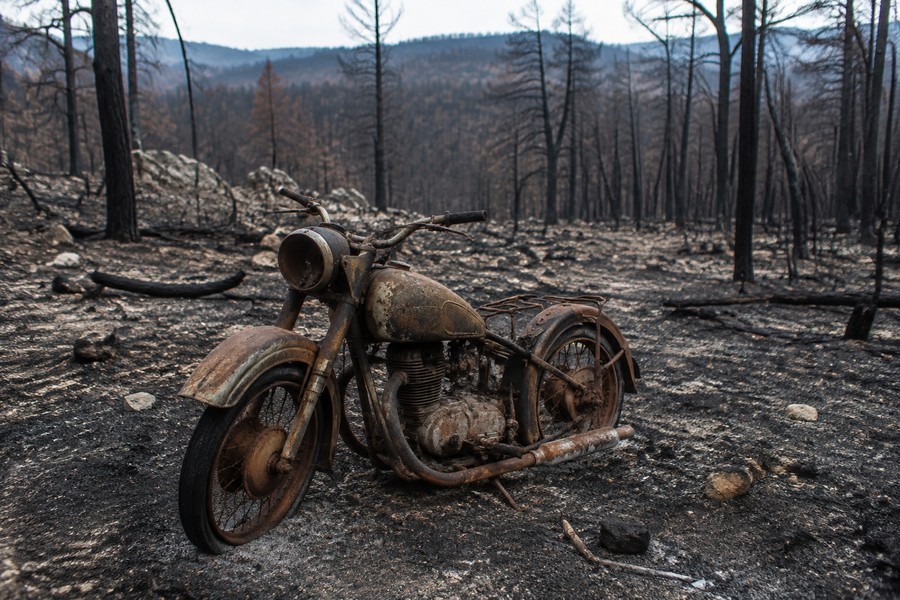
Heat and Flames Wake Up Long-Buried Weapons from Past Wars
Extreme summer heat and spreading wildfires are bringing a hidden danger back to life. Deep beneath the soil, rusted bombs, landmines, and artillery shells from both world wars have rested quietly for decades. Now, the intense heat of modern wildfires is causing some of these forgotten weapons to detonate, creating a new and unexpected hazard for emergency crews.
These sudden blasts have occurred in several countries, including France, Belgium, Germany, and the Netherlands. In one instance, a specialized bomb squad had to inspect a forest near a historic battlefield where heavy fighting took place in the mid-1940s.
How Changing Weather Awakes the Past
For decades, stable temperatures and regular rainfall kept these buried explosives stable and safe. However, shifting weather patterns and rising temperatures are changing the landscape. Intense heatwaves and droughts are drying out forests, making them highly vulnerable to fires. When a wildfire sweeps through an area, it does two dangerous things:
- It burns away the thick brush and plants that have hidden these weapons for generations.
- The extreme heat from the flames can trigger the old chemical explosives inside the bombs, causing them to detonate.
The danger has been made worse by unusual weather cycles. Heavy winter rains caused plants and grass to grow rapidly. When the summer heat arrived, this extra plant life dried out and turned into perfect fuel for wildfires. Combined with dry soil and strong winds, these conditions created an environment for fast-moving fires to sweep across historic battlefields.
Explosions on Historic Battlefields
As wildfires advance, they are moving over lands where some of history's biggest battles were fought. The weapons left behind have remained dangerous long after the fighting ended.
In southwestern France, a large forest fire near a major city uncovered a hidden pile of ammunition believed to date back to the second world war. Meanwhile, in eastern Belgium, local officials heard several scattered explosions within a burning forest. Firefighters had to change how they fought the flames to stay safe from the buried hazards.
The risk is especially high in a dense, swampy forest area in Belgium known as the High Fens. During the second world war, this forest was filled with booby traps, landmines, and bombs. In the years immediately following the war, these hidden weapons claimed the lives of six local citizens. Today, the forest floor still hides dangerous secrets near the sites of famous conflicts, including the Battle of the Bulge and the fierce, long-lasting battles at Elsenborn Ridge and the Hurtgen Forest, which cost tens of thousands of lives.
The Daily Search for Old Weapons
Even without wildfires, dealing with old war weapons is a daily reality in this part of the world. Local experts who search the old battlefields with metal detectors regularly find military gear, including mortar shells, machine guns, and helmets buried just beneath the surface.
National military teams are constantly at work to keep the public safe. The scale of the problem is immense:
- Frequent emergency calls: In Belgium, military bomb squads receive requests for help almost every week in the eastern forests.
- The iron harvest: In western Belgium, near historic first world war trenches, farmers plow up so many old weapons during planting season that they call it the annual "iron harvest."
- Tons of explosives: Every year, the national bomb disposal team responds to more than 3,000 calls and safely destroys between 200 and 250 tons of old ammunition.
Drying Rivers Reveal Hidden Dangers
Wildfires are not the only way these old weapons are being revealed. Severe droughts are causing major rivers and lakes to shrink, exposing items that have been underwater for nearly a century.
In Slovakia, dropping water levels in the Danube River revealed two large naval mines, which police had to remove and safely destroy. In Hungary, authorities had to temporarily close a major bridge in the capital city after a large wartime bomb emerged from the receding water at its base. Similarly, as the Rhine River dried up in Germany, another historic bomb was found sitting on the exposed riverbed.
These events show that the physical reminders of past conflicts are not truly gone. Instead, changing environmental conditions are bringing the dangerous remnants of history back to the surface, forcing modern communities to confront them once again.