
Home design trends often promise a more stylish, comfortable, and valuable living space. Yet some popular choices create practical problems, require extra cleaning, or make a home feel less personal. Homeowners have raised concerns about everything from gray flooring and oversized rooms to difficult bathroom layouts and hardware that shows every fingerprint. These complaints do not mean every trend is always a bad choice, but they show why appearance should not be the only factor when planning a home.
Flooring, Colors, and Finishes
Gray vinyl flooring is one of the most criticized choices. Although it is often presented as a luxury material, some homeowners feel that it looks inexpensive, especially when real hardwood or tile has been removed to install it. The main complaint is simple: vinyl is plastic, and calling plastic flooring luxurious does not change its appearance or feel. Traditional wood, stone, and tile may have a more lasting look that does not follow a short-lived trend.
Another common complaint involves homes decorated in gray from room to room. Gray kitchens, bathrooms, living rooms, and other spaces can create a cool, flat, or overly uniform appearance. The same concern applies to the widespread use of beige and light brown. Natural colors can make a home feel calm, but adding green, blue, or yellow can bring more life into the space. Green and blue may feel peaceful, while yellow can add energy. A home does not need to be filled with bright rainbow colors to feel personal and vibrant.
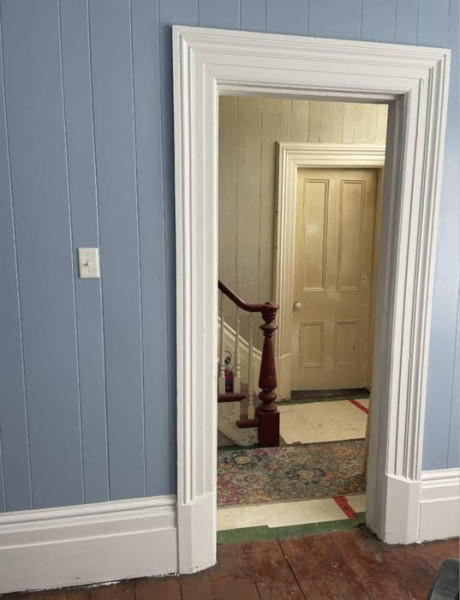
White trim and doors also create maintenance issues for some families. White surfaces can show dirt, fingerprints, marks, and stains quickly, especially in homes with children. Keeping them clean may require constant effort, and some homeowners eventually miss the warmth and character of natural wood. In their view, the bright, clean appearance is not worth the repeated cleaning and upkeep.
Matte black faucets, hinges, cabinet knobs, and other hardware are another finish that has lost appeal for some homeowners. While the look may fit a modern design, critics describe it as dull and uninteresting. The complaint is not only about color but also about how quickly the finish can make an entire room feel dated when used everywhere.
Lighting and Kitchen Problems
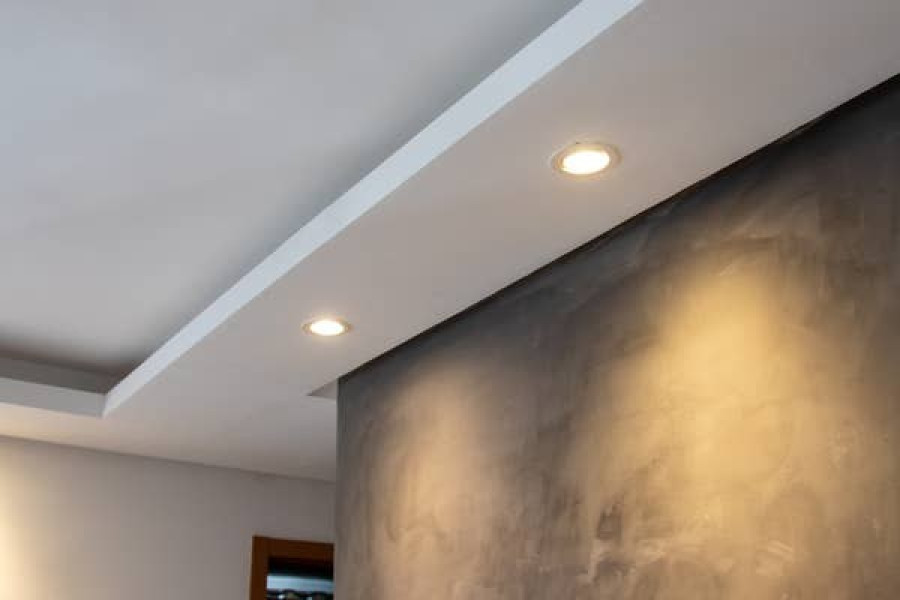
Recessed lighting is often described as flexible because it has a simple appearance and can work with many rooms. However, some homeowners believe it actually ties a space to modern minimalist design. A pendant light, wall sconce, or other visible fixture can be replaced when a room’s style changes, but recessed lights are more difficult to adapt. Changing the bulbs can also be frustrating, particularly when fixtures are installed in high ceilings or hard-to-reach areas.
Microwaves installed above the stove create several practical concerns. Reaching over a hot burner can be unsafe, especially when the microwave is mounted high. Cooking steam can also collect on the microwave door, then drip onto the surface below. That creates another cleaning chore and may expose the appliance to moisture. Microwaves without handles bring a different set of frustrations. Users must press a button to release the door, sometimes coordinate several steps to set the cooking time, close the door, and then press start. The smooth surfaces can also collect fingerprints.
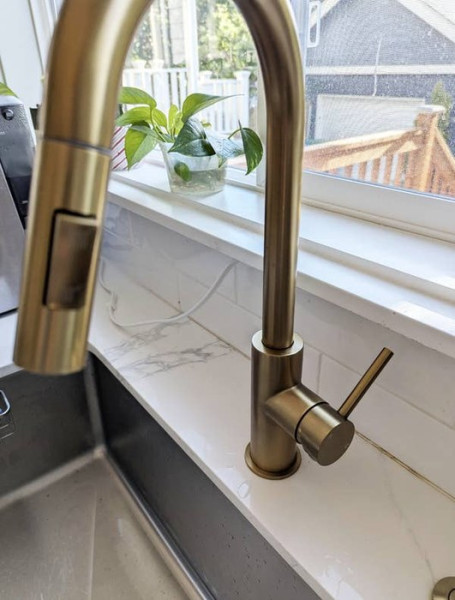
Some modern kitchens use tall, vertical faucets that do not clearly show which direction controls hot or cold water. Without a left-and-right movement or a small red and blue indicator, users may have to guess. A simple visual mark could make the fixture much easier to operate.
Farmhouse sinks have also divided homeowners. Their deep, exposed-front design may be associated with a welcoming country kitchen, but critics compare them to utility or slop sinks. They may not fit every kitchen style, and some people would rather use a more conventional sink that blends into the counter.
Bathrooms That Look Better Than They Work
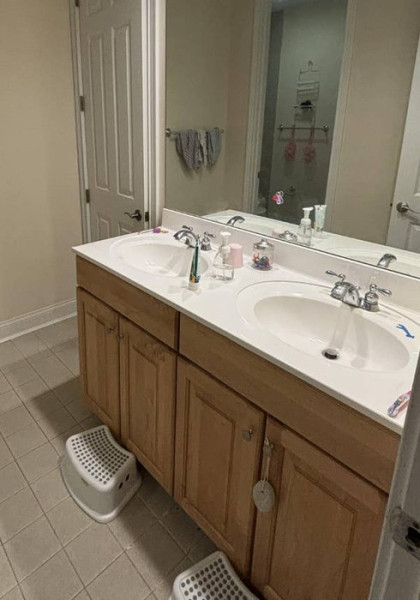
Sliding bathroom doors can save space, but some do not close the opening completely. Even a small gap may make the room feel uncomfortable because it reduces privacy. For some homeowners, that weakness is enough to reject the design entirely.
Jack and Jill bathrooms create a different problem. These shared bathrooms connect two bedrooms, usually with a door on each side. If someone leaves through one bedroom and fails to unlock the other door, the next person may find the bathroom locked. They then have to walk around through another room to reach it. The layout can be useful for families, but the locks and doors require constant attention.
Doorless showers are also unpopular with people who dislike water spreading across the bathroom. Without a door, the room may feel colder, and water can reach areas that were not designed to get wet. Standalone tubs placed in the center of a bathroom cause another maintenance complaint. Their freestanding shape may look dramatic, but cleaning around and behind the tub can be difficult.
Ceramic bathroom tile can appear polished, clean, and upscale, yet it may feel extremely cold under bare feet after a shower. Some homeowners enjoy the appearance but dislike losing the warmth they want in a bathroom. Rainfall shower heads receive similar criticism. Water falls directly from above, which can soak the hair and pour over the face throughout the shower. People who want to keep their hair dry or control the direction of the spray may find them uncomfortable.
Electric toilets raise concerns about reliability, appearance, and comfort. If the power fails, the toilet may not flush, which can create a serious inconvenience. Some users also find these toilets less attractive and less comfortable to sit on than standard models.
Open Space and Structural Choices
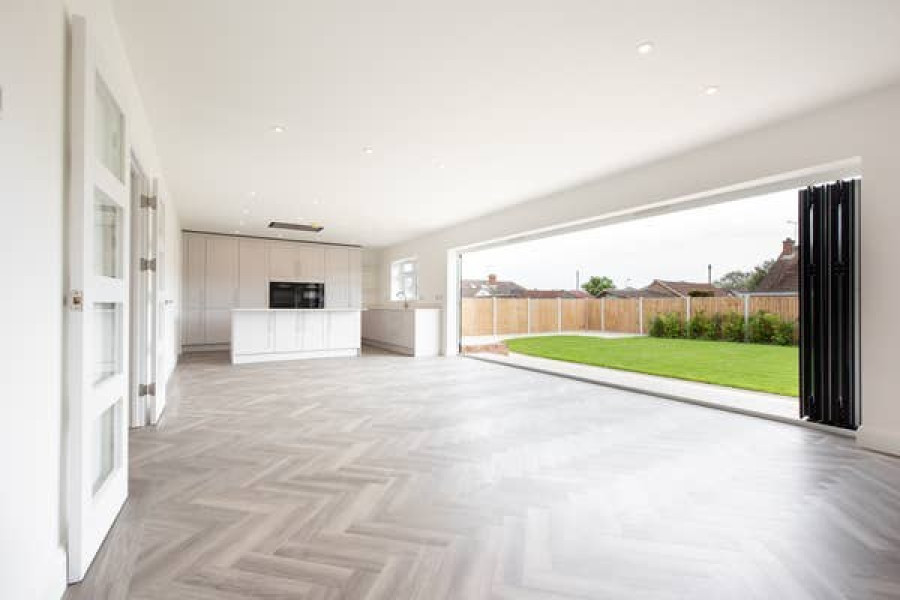
Very large open rooms can make a home feel impressive, but they may also remove the coziness many people want. Oversized bedrooms, enormous living rooms, and cavernous entryways can feel empty instead of welcoming. Large spaces may also increase heating and cooling costs. Vaulted ceilings can create a sense of openness, but they may use more energy because there is more air to heat or cool.
Another concern is that builders and real estate professionals can use extra square footage to raise a home’s price. Creating oversized rooms may be a less meaningful investment than improving construction quality, insulation, fixtures, or materials. Some homeowners would rather live in a smaller, well-built house than pay more for empty space.
Front doors that open directly into a living room or great room can also be inconvenient. Without a foyer or entryway, there may be no comfortable place to remove shoes, greet visitors, store coats, or create separation between the entrance and the main living area. The layout may be common in some regions, but it does not work well for everyone.
Decor That Feels Too Impersonal
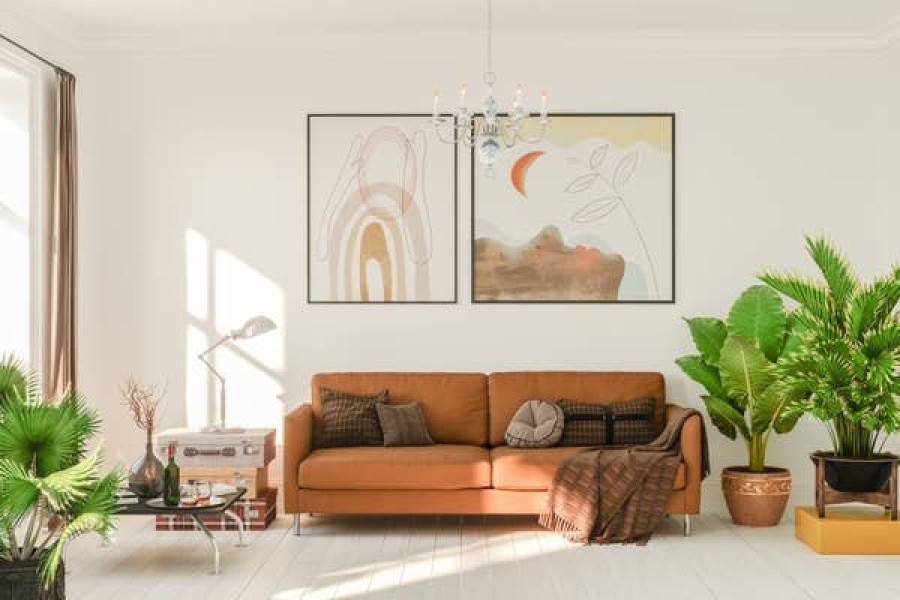
Art and wallpaper chosen only to match furniture can make a room look carefully coordinated but lacking in personality. Homeowners may prefer pieces that have meaning, reflect their interests, or connect to a particular artist and idea. Decor does not have to be selected solely because it fits a color scheme. Personal art can help a home show who lives there and what matters to them.
Appliances designed to blend completely into cabinetry create a similar reaction. Hidden refrigerators may produce a smooth, uninterrupted kitchen, but some people dislike losing the visible function and character of the appliance. A kitchen can look orderly without making every useful object disappear.
Finally, some homeowners are less concerned with a specific trend than with poor construction in newly built homes. Home inspections may reveal serious problems, including weak materials or careless workmanship. In contrast, an older tract house with ordinary styling may be valued because it was built solidly and has lasted for decades.
Modern design can make a home attractive, but a beautiful appearance does not always equal comfort, convenience, privacy, or durability. The most successful choices balance style with daily life. Flooring should feel honest, lighting should remain practical, bathrooms should function well, and rooms should reflect the people who use them. Trends may change, but thoughtful design and solid construction are far more likely to remain valuable over time.
Flooring, Colors, and Finishes
Gray vinyl flooring is one of the most criticized choices. Although it is often presented as a luxury material, some homeowners feel that it looks inexpensive, especially when real hardwood or tile has been removed to install it. The main complaint is simple: vinyl is plastic, and calling plastic flooring luxurious does not change its appearance or feel. Traditional wood, stone, and tile may have a more lasting look that does not follow a short-lived trend.
Another common complaint involves homes decorated in gray from room to room. Gray kitchens, bathrooms, living rooms, and other spaces can create a cool, flat, or overly uniform appearance. The same concern applies to the widespread use of beige and light brown. Natural colors can make a home feel calm, but adding green, blue, or yellow can bring more life into the space. Green and blue may feel peaceful, while yellow can add energy. A home does not need to be filled with bright rainbow colors to feel personal and vibrant.
White trim and doors also create maintenance issues for some families. White surfaces can show dirt, fingerprints, marks, and stains quickly, especially in homes with children. Keeping them clean may require constant effort, and some homeowners eventually miss the warmth and character of natural wood. In their view, the bright, clean appearance is not worth the repeated cleaning and upkeep.
Matte black faucets, hinges, cabinet knobs, and other hardware are another finish that has lost appeal for some homeowners. While the look may fit a modern design, critics describe it as dull and uninteresting. The complaint is not only about color but also about how quickly the finish can make an entire room feel dated when used everywhere.
Lighting and Kitchen Problems
Recessed lighting is often described as flexible because it has a simple appearance and can work with many rooms. However, some homeowners believe it actually ties a space to modern minimalist design. A pendant light, wall sconce, or other visible fixture can be replaced when a room’s style changes, but recessed lights are more difficult to adapt. Changing the bulbs can also be frustrating, particularly when fixtures are installed in high ceilings or hard-to-reach areas.
Microwaves installed above the stove create several practical concerns. Reaching over a hot burner can be unsafe, especially when the microwave is mounted high. Cooking steam can also collect on the microwave door, then drip onto the surface below. That creates another cleaning chore and may expose the appliance to moisture. Microwaves without handles bring a different set of frustrations. Users must press a button to release the door, sometimes coordinate several steps to set the cooking time, close the door, and then press start. The smooth surfaces can also collect fingerprints.
Some modern kitchens use tall, vertical faucets that do not clearly show which direction controls hot or cold water. Without a left-and-right movement or a small red and blue indicator, users may have to guess. A simple visual mark could make the fixture much easier to operate.
Farmhouse sinks have also divided homeowners. Their deep, exposed-front design may be associated with a welcoming country kitchen, but critics compare them to utility or slop sinks. They may not fit every kitchen style, and some people would rather use a more conventional sink that blends into the counter.
Bathrooms That Look Better Than They Work
Sliding bathroom doors can save space, but some do not close the opening completely. Even a small gap may make the room feel uncomfortable because it reduces privacy. For some homeowners, that weakness is enough to reject the design entirely.
Jack and Jill bathrooms create a different problem. These shared bathrooms connect two bedrooms, usually with a door on each side. If someone leaves through one bedroom and fails to unlock the other door, the next person may find the bathroom locked. They then have to walk around through another room to reach it. The layout can be useful for families, but the locks and doors require constant attention.
Doorless showers are also unpopular with people who dislike water spreading across the bathroom. Without a door, the room may feel colder, and water can reach areas that were not designed to get wet. Standalone tubs placed in the center of a bathroom cause another maintenance complaint. Their freestanding shape may look dramatic, but cleaning around and behind the tub can be difficult.
Ceramic bathroom tile can appear polished, clean, and upscale, yet it may feel extremely cold under bare feet after a shower. Some homeowners enjoy the appearance but dislike losing the warmth they want in a bathroom. Rainfall shower heads receive similar criticism. Water falls directly from above, which can soak the hair and pour over the face throughout the shower. People who want to keep their hair dry or control the direction of the spray may find them uncomfortable.
Electric toilets raise concerns about reliability, appearance, and comfort. If the power fails, the toilet may not flush, which can create a serious inconvenience. Some users also find these toilets less attractive and less comfortable to sit on than standard models.
Open Space and Structural Choices
Very large open rooms can make a home feel impressive, but they may also remove the coziness many people want. Oversized bedrooms, enormous living rooms, and cavernous entryways can feel empty instead of welcoming. Large spaces may also increase heating and cooling costs. Vaulted ceilings can create a sense of openness, but they may use more energy because there is more air to heat or cool.
Another concern is that builders and real estate professionals can use extra square footage to raise a home’s price. Creating oversized rooms may be a less meaningful investment than improving construction quality, insulation, fixtures, or materials. Some homeowners would rather live in a smaller, well-built house than pay more for empty space.
Front doors that open directly into a living room or great room can also be inconvenient. Without a foyer or entryway, there may be no comfortable place to remove shoes, greet visitors, store coats, or create separation between the entrance and the main living area. The layout may be common in some regions, but it does not work well for everyone.
Decor That Feels Too Impersonal
Art and wallpaper chosen only to match furniture can make a room look carefully coordinated but lacking in personality. Homeowners may prefer pieces that have meaning, reflect their interests, or connect to a particular artist and idea. Decor does not have to be selected solely because it fits a color scheme. Personal art can help a home show who lives there and what matters to them.
Appliances designed to blend completely into cabinetry create a similar reaction. Hidden refrigerators may produce a smooth, uninterrupted kitchen, but some people dislike losing the visible function and character of the appliance. A kitchen can look orderly without making every useful object disappear.
Finally, some homeowners are less concerned with a specific trend than with poor construction in newly built homes. Home inspections may reveal serious problems, including weak materials or careless workmanship. In contrast, an older tract house with ordinary styling may be valued because it was built solidly and has lasted for decades.
Modern design can make a home attractive, but a beautiful appearance does not always equal comfort, convenience, privacy, or durability. The most successful choices balance style with daily life. Flooring should feel honest, lighting should remain practical, bathrooms should function well, and rooms should reflect the people who use them. Trends may change, but thoughtful design and solid construction are far more likely to remain valuable over time.