
A Surprising Solution for Meat Lovers Facing a Dangerous Tick Allergy
Imagine loving burgers and steaks, and then suddenly becoming dangerously allergic to them. This is the reality for many people who have been bitten by a specific type of tick. Fortunately, a unique type of farming is helping these individuals enjoy their favorite meals once again.
The Rise of a Strange Red Meat Allergy
For some outdoor lovers, a single tick bite can change their lives forever. This bite can trigger a condition known as alpha-gal syndrome, which makes people severely allergic to red meat. First identified about fifteen years ago, this allergy has been affecting more and more people. Symptoms can include painful hives, stomach issues, and severe itching after eating even a small bite of mammal meat.
While the allergy makes beef, pork, and lamb off-limits, it does not affect poultry or seafood. People with this condition can safely eat chicken, turkey, and fish. However, for those who truly miss the flavor and texture of a juicy beef burger, poultry often falls short. That is where a giant, flightless bird comes into the picture.
Medical research on this syndrome is still relatively new, with the connection to tick bites being established just over a decade ago. Recent estimates suggest that around 100,000 people in the United States have been diagnosed with the allergy, though experts believe the actual number of sufferers could be closer to half a million. Tragically, researchers recently documented the first known death related to the condition, involving a 47-year-old man from New Jersey.
Why Ostrich Meat is the Ultimate Substitute
Although ostriches are birds, their meat is surprisingly different from chicken or turkey. Ostrich meat is bright red, rich in iron, and tastes remarkably like beef. Because ostriches are birds, their meat does not contain the specific sugar that triggers alpha-gal reactions. This makes it completely safe for people with the allergy to eat.
For many who have gone years without tasting red meat, trying this alternative is an emotional experience. Some people are brought to tears when they finally get to eat a burger that tastes just like the real thing. This intense demand is driving a quiet boom in the ostrich farming industry.
Meeting the Growing Demand on the Farm
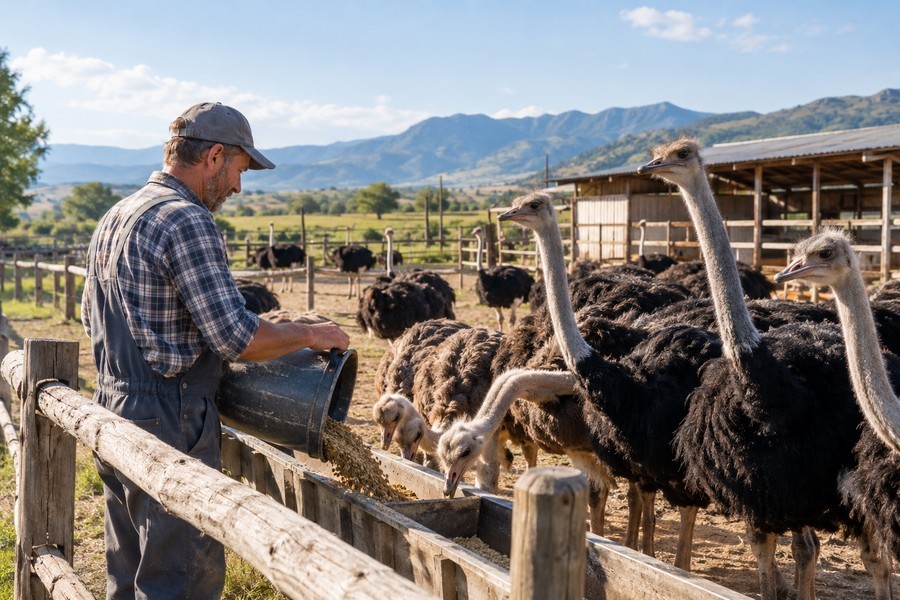
In Danville, Kentucky, a local agricultural specialist named Brent Williams and his business partner, W.D. King, started raising ostriches a few years ago. Williams has a personal stake in the business because he suffers from the allergy himself. Their farm has grown quickly to keep up with the interest from local buyers.
Ostriches are the largest birds on Earth, native to Africa. They can grow up to nine feet tall and weigh more than 300 pounds. The Kentucky farm started with a modest herd of more than 400 birds but is now working to expand to around 700 birds. They even built a specialized barn to care for the young hatchlings.
Because the meat is rare and highly sought after, it comes with a high price tag. Customers are willing to pay:
- Over $20 for a single pound of ground ostrich meat.
- More than $40 per pound for premium cuts of the meat.
A local market owner in Kentucky, Leah Gibbs, noted that customers drive from all over the region just to buy these cuts. They are thrilled to find an option that perfectly mimics the taste of beef.
This trend is not limited to Kentucky. In Texas, another veteran farmer named Boyd Clark has been raising these birds since the 1980s. He manages a herd of about 1,200 birds on his property, located about 90 miles northwest of Austin, and plans to increase his numbers by half to meet the rising demand. He regularly receives inquiries from restaurants and small grocery stores across the nation looking for a steady supply.
Learning from Past Farming Mistakes
This is not the first time ostrich farming has gained attention in the United States. During the 1990s, there was a massive rush to raise these birds. However, that initial boom quickly turned into a bust because many early investors did not understand how to care for them.
Industry experts, such as Oregon farmer Michael Lehman, explain that early farmers made the mistake of treating these massive creatures like giant chickens. They tried to raise them in crowded, high-density pens. In reality, ostriches are wild animals that require plenty of open space to roam freely. Because the crowded birds did not thrive, the supply fell short, prices spiked, and the market collapsed.
Today, the industry is much smaller and more careful. There are only about 10 to 15 large-scale ostrich farms left in the country. Today's farmers have a much better understanding of the birds' behavior and physical needs, ensuring they have the space they need to grow healthy.
A Personal Journey Back to the Dinner Table
For Brent Williams, the journey to ostrich farming began with a medical emergency. Several years ago, he suffered a severe allergic reaction after eating a steak sandwich during a work trip. After visiting an allergist, he learned that a tick bite had transferred a sugar molecule into his blood. This caused his immune system to create antibodies that attack mammal meat.
The allergy was so severe that Williams could not even breathe in the fumes of cooking meat or take medicine capsules made with animal gelatin. For years, he was limited to eating poultry.
Everything changed when his wife ordered some ostrich meat online. When he cooked it, he was amazed to find that the texture, mouthfeel, and flavor were identical to beef. This life-changing discovery is what motivated him to help others in the same situation by producing safe, delicious red meat for families across the country.