
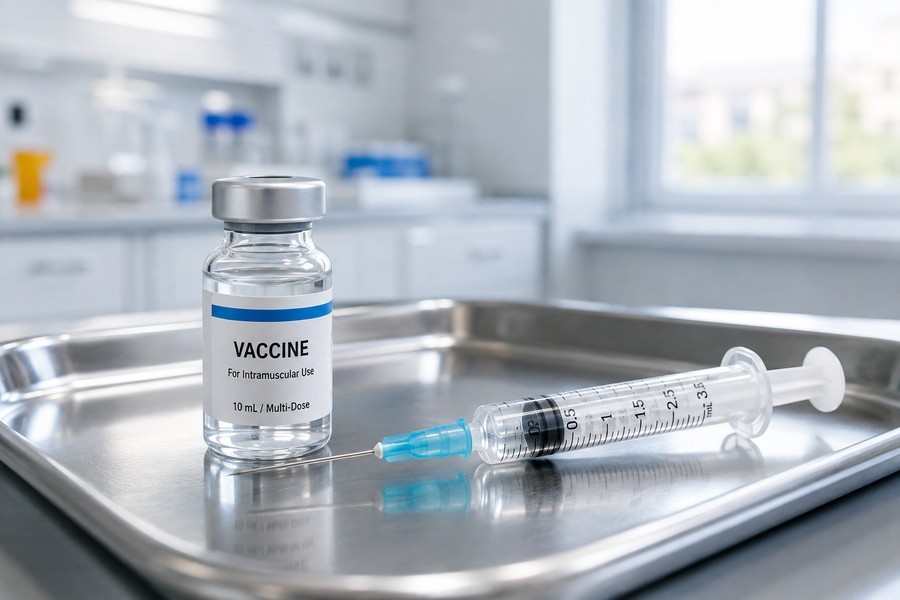
More Families Opt Out of School Shots as Childhood Diseases Return
A growing number of parents are deciding not to vaccinate their children before they start kindergarten. This trend has caused childhood vaccination rates to drop steadily across the country. Recent health data shows that exemptions have reached an all-time high, raising concerns among medical professionals who study infectious diseases.
For many years, school vaccination rules helped keep dangerous diseases from spreading in classrooms. However, more parents are now using personal or religious beliefs to bypass these requirements. This shift has left hundreds of thousands of young children vulnerable to illnesses that were once rarely seen in school hallways.
A Closer Look at the Numbers
During the last school year, more than 4% of kindergarten students received exemptions from routine vaccinations. This is the largest single-year increase in exemptions in over ten years. In total, more than 155,000 children entered kindergarten without some or all of their recommended shots.
While most children in the United States still receive their vaccines, the overall rate of protection is going down in more than half of all states. This decline affects vaccines that protect against several major diseases, including:
- Measles, mumps, and rubella (MMR)
- Chickenpox
- Polio
- Whooping cough, diphtheria, and tetanus
Because of this decline, more than 280,000 kindergarteners started school last year without protection against measles, mumps, and rubella alone. Health experts warn that when fewer children are vaccinated, the safety net that protects the entire community begins to break down.
The Return of Preventable Illnesses
The drop in vaccination rates has already led to serious health consequences. Over the past year and a half, the country has seen more measles cases than at any point in the last three decades. This rise in cases has turned deadly for some families.
In West Texas, two healthy girls, aged 6 and 8, died after contracting measles. These deaths represent the first child fatalities from measles in the country in more than twenty years. In addition to measles, whooping cough has made a major comeback. There have been 28,000 cases of whooping cough over the past year, resulting in 16 deaths.
Medical experts point out that these deaths and illnesses are completely preventable. They express deep concern that children are suffering from diseases that modern medicine has the tools to stop.
Why Are Rates Falling?
Several factors have contributed to the decline in childhood vaccinations. The disruptions caused by the global pandemic played a major role, as many children missed regular doctor visits and fell behind on their shot schedules. At the same time, public doubt and skepticism about vaccine safety have grown.
This skepticism has been encouraged by prominent public figures. Health officials within the administration, including Robert F. Kennedy Jr., have regularly questioned the safety and necessity of vaccines. This messaging has created confusion and hesitation among parents who are trying to make the best decisions for their children.
Additionally, some state governments have changed their laws to make it much easier for parents to obtain vaccine exemptions. This combination of rising doubt and easier legal pathways has created an environment where outbreaks can easily start and spread.
Changes in Government Policy and Communication
The debate over childhood vaccines has also reached the highest levels of government. During a recent event in the Oval Office, President Trump spoke about childhood shots, linking them to autism, and signed a new executive order. This order calls for children to receive fewer vaccinations overall. It also instructs the Justice Department to put pressure on states to make it easier for parents to opt out of school vaccination requirements.
In the past, national public health agencies would respond to falling vaccination rates with large-scale awareness campaigns and detailed scientific reports. They would actively encourage parents to get their children vaccinated before the school year started.
This year, however, the response from federal health leaders has been very different. The national health agency released the new vaccination data quietly, sending out only a short, three-sentence email. The head of the agency, Dr. Erica Schwartz, has remained silent on the issue and has not addressed the calls to reduce childhood shots. Public health officials did not release a detailed report or make any public statements to encourage parents to vaccinate their children, and requests for interviews on the matter went unanswered.