
Securing the Flow: How Digital Threats Are Targeting Local Water Systems
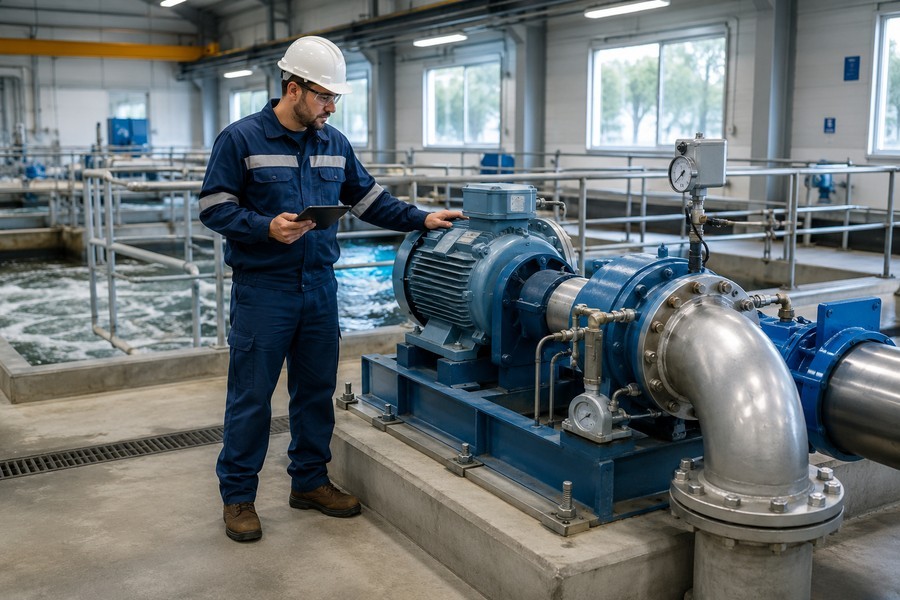
On a quiet morning in a small Minnesota town, a water plant worker noticed something alarming. The main pump at the water treatment facility had stopped working. This sudden breakdown threatened to cut off the water supply to the town's 1,700 residents. Local crews quickly turned off the automated system and asked everyone to save water while they used a backup tank. Within a few hours, workers took manual control of the pump and got the water flowing again. The town was even able to host its annual festival just a few days later.
However, local leaders soon discovered that this was not a simple mechanical failure. It was part of a coordinated cyberattack aimed at industrial equipment across the United States. Security experts believe foreign actors were behind the disruption.
A Growing Threat to Vital Services
This incident is part of a larger trend. For years, foreign adversaries have targeted critical infrastructure in the United States. By breaking into these computer networks, hackers can steal sensitive information, demand money, or disrupt daily life. Because almost everything is connected to the internet today, any system with weak security can become an easy target.
While this recent attack did not poison or permanently damage the water supply, it caused widespread concern. The scale of the operation surprised many security professionals. Similar disruptions occurred in several other states, including:
- Minnesota: Multiple towns reported issues at their water plants, with one declaring a brief state of emergency.
- Georgia: A pump failure in the middle of the night forced local officials to issue a temporary notice telling residents to boil their water.
- Michigan and New Jersey: Water systems in these states also experienced similar digital intrusions.
In total, investigators confirmed that water facilities in at least seven states were targeted. There are also concerns that the transportation and energy sectors may have faced similar threats.
Why Water Plants Are Vulnerable
Securing water systems is difficult because they rely on specialized equipment known as operational technology. Unlike regular office computers that run email and spreadsheets, this technology controls physical machinery like valves, pumps, and chemical dispensers. Many of these systems are decades old and were never designed to be connected to the internet.
Updating this older equipment is not easy. Software fixes must be carefully tested, and installing them often requires shutting down the entire water plant. Some older machines cannot be updated at all. Furthermore, many small towns do not have the budget or the technical staff to keep their systems secure. Some operators choose to keep their systems completely offline to avoid these risks entirely.
Understanding the Goals of the Hackers
This is not the first time foreign groups have targeted utility systems. In the past, hackers disrupted power grids in Eastern Europe. More recently, another group compromised digital systems at a Pennsylvania water plant, displaying political messages on screens because some of the equipment was made overseas.
Experts believe these attackers have three main goals:
- Showing capability: Demonstrating that they can disrupt utility services near military bases or important economic hubs like data centers.
- Creating panic: Causing worry among the public about the safety of basic necessities.
- Weakening trust: Making citizens doubt that their local and national governments can protect essential services.
Simple Steps for Better Defense
During the recent wave of attacks, the hackers did not use highly advanced methods. Instead, they looked for easy entry points. They targeted systems that were directly connected to the public internet and still used their original factory passwords. These default login details are often easy to find online.
Fortunately, water operators can take simple actions to protect their facilities from these basic attacks:
- Change default passwords: Always create strong, unique passwords for all connected devices.
- Disconnect from the internet: Keep critical control systems separate from the office networks used for email and billing.
- Install firewalls: Use protective digital barriers to block unauthorized access.
Preparing for Future Challenges
While the recent disruptions were resolved quickly, future attacks could be much more sophisticated. Security officials have warned about other foreign groups that are quietly hiding inside American infrastructure networks. Rather than causing immediate damage, these groups may be waiting for a time of conflict to disrupt power grids, airports, and water systems to cause widespread confusion.
To prepare for these threats, organizations across the country are working together. Small utility companies are receiving help to train their staff and monitor their networks. New initiatives are also testing artificial intelligence to help defend water systems in real-time. While it is impossible to stop every hacking attempt, improving defenses and sharing information quickly will help local communities recover faster when trouble strikes.