
Understanding the Debate Over the Military's New Hormone Testing Plan
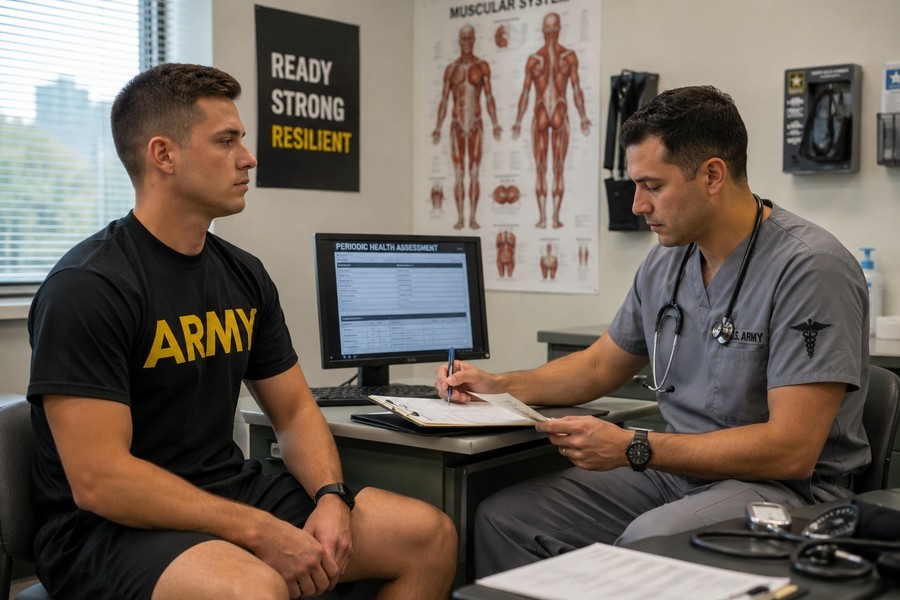
A new plan by defense leaders to test the hormone levels of military service members has started a major conversation across the country. Under this initiative, the military wants to check testosterone levels to help troops perform better during their duties. Officials shared that service members can choose whether or not they want to receive testosterone replacement therapy. However, the announcement did not mention how this plan might apply to female troops.
While some people support the idea, others have raised concerns. Some worry that boosting these hormone levels could cause behavioral changes or even lead to safety issues for other service members. Medical and social experts are now stepping in to explain the science behind the hormone and why many public fears are based on myths.
Jokes, Media Comments, and Public Reactions
Shortly after the plan was announced, a popular television host joked about the policy on the air. He suggested that men who do not need the therapy will take it anyway to get an extra boost. He then laughed and warned women working on military bases and at ports to "be careful," claiming the men would act like "wild animals."
Medical experts say this kind of talk is not only incorrect, but it also spreads harmful ideas. They point out that the conversation reveals a deep misunderstanding about how hormones work and what it means to be masculine.
The Science of Testosterone
To understand the debate, it helps to know what testosterone actually does. It is a natural chemical made by both male and female bodies. It helps with several important functions, including:
- Building and keeping muscle mass
- Maintaining strong bones
- Creating red blood cells
- Keeping energy levels and moods stable
- Supporting normal sexual health
While talking about health is good, doctors worry that the military's plan might make people think the hormone is a quick fix for performance. Experts explain that therapy should only be used to help people who have a true medical shortage. The goal is to bring a person back to a normal, healthy level, not to create "super-soldiers" or make men hyper-aggressive.
In fact, taking the hormone when your body does not need it can be dangerous. Doctors warn that if you take external hormones, your body may stop making its own naturally. This can lead to permanent health problems, including infertility in men.
Furthermore, hormone levels naturally go down as people get older. A single low test result does not always mean someone has a medical problem. Doctors usually need to look at both blood tests and daily symptoms, while also ruling out other issues like poor sleep, weight gain, or depression, before starting any treatment.
The Pressure of Modern Masculinity
Some researchers believe this new policy is more about social ideas than actual medicine. Society often pressures young men to act tough and macho. Online groups sometimes push the idea that men are divided into "alpha" or "beta" categories based on their hormone levels. They promise that boosting these levels will solve all of life's romantic, financial, and personal problems.
Psychology experts call this a false promise. They explain that most relationship and personal problems are emotional, not physical. Instead of trying to change their bodies with supplements, young men would benefit much more from developing emotional intelligence and self-awareness.
Debunking Myths About Safety and Behavior
One of the biggest concerns raised about the new military plan is the fear of increased sexual violence. Some commentators spoke about safety risks as if bad behavior is a natural, biological result of higher hormone levels. Safety advocates warn that this line of thinking is dangerous because it makes serious crimes seem unavoidable, almost excusing them with the phrase "boys will be boys."
The reality of safety in the military is complex:
- Though official numbers show reported crimes have gone down slightly, thousands of incidents still happen each year.
- Advocates estimate that only about 30% of sexual assaults in the military are actually reported.
- Many victims do not report these events because the system is hard to navigate or because they fear they will not be believed.
- Men are also victims of these crimes, but they often stay silent because they worry that speaking out will make them look weak.
Experts emphasize that violent behavior is a choice, not a biological reaction to a hormone. By focusing on real science rather than myths, the public can better understand both physical health and the importance of safety for all service members.