
New Water Restrictions Approved for Three Western States
New government plans require three Western states to significantly reduce their water use over the next two years. California, Nevada, and Arizona must collectively cut back on the amount of water they draw from the struggling Colorado River. These emergency measures come as a historic dry spell continues to shrink one of the most important water sources in the United States.
Under the newly approved guidelines, the three states will reduce their shared water usage by 1.25 million acre-feet per year. Depending on weather conditions and water levels, even larger cuts could be ordered in the future. The river currently serves as a vital resource, supplying water to between 35 million and 40 million people across the region.
How the Water Reductions Will Be Shared
The impact of these conservation rules will not be felt equally across the West. Different states and neighboring areas face different requirements:
- Arizona will take the largest share of the water cuts.
- California and Nevada will also reduce their water intake to help meet the regional savings goal.
- Mexico will decrease its yearly water usage by 250,000 acre-feet, following the guidelines of an existing international treaty.
- Upstream states, including Colorado, Utah, Wyoming, and New Mexico, do not have to make any immediate cuts.
The rules that currently decide how the river is shared are set to run out soon. So far, the seven states that rely on the river have struggled to agree on a permanent, long-term plan for sharing the water. This has made these temporary, two-year cutbacks necessary to protect the system from crashing.
A Historic Drought and Shrinking Reservoirs
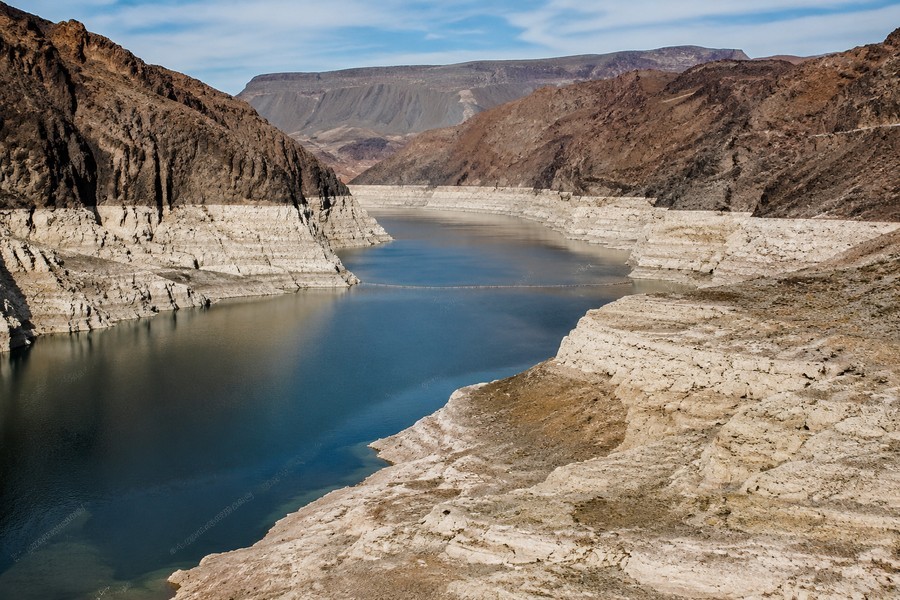
The Southwest has been trapped in a severe, 26-year drought. Rising temperatures and overuse have steadily drained the region's two largest reservoirs, Lake Mead and Lake Powell. Both of these massive man-made lakes are fed directly by the Colorado River.
Recently, water levels at Lake Mead dropped to their lowest point since the reservoir was first filled nine decades ago. Just a week later, Lake Powell hit a similar historic low. Together, the total amount of water stored in these two reservoirs is at its lowest point in nearly 70 years.
The situation became even more urgent after last winter, which brought the lowest snowpack on record to the mountains that feed the river. This lack of snow has put incredible pressure on many different groups, including:
- Local farmers who need water to grow food.
- Dozens of Native American tribes with deep ties to the land and water.
- Wildlife habitats that depend on a healthy river system.
- Hydropower plants that generate electricity for millions of homes.
- Two states in Mexico that rely on the river's flow.
The Threat to Clean Electricity
The falling water levels do more than just threaten drinking water supplies; they also threaten the region's power grid. If the water level at Lake Powell drops by just 33 more feet, the reservoir will fall below the minimum height needed to run its electricity-generating turbines. If that happens, the dam will no longer be able to produce clean hydroelectric power, and water will stop flowing through the dam into the lower parts of the river.
Searching for a Long-Term Solution
Local leaders and water managers are working together to handle the immediate crisis, but they know more work lies ahead. Representatives from the affected states have expressed relief that a temporary plan is in place to keep the system stable through 2027 and 2028. However, they emphasize that these cuts are only a temporary bridge to prevent a worse disaster, not a final cure.
In places like Southern Nevada, the water shortage is already changing plans for the future. Local conservation advocates point out that several major projects, such as a new airport, shopping malls, and public land sales, have been put on hold because of the dry conditions. Additional water cuts could soon slow down home building and real estate development in the Las Vegas area.
While the dropping water levels at the Hoover Dam can be frightening, some local experts view this crisis as an important wake-up call. They believe it offers a unique opportunity for communities to change how they use water and build a more sustainable system for the next one hundred years.