
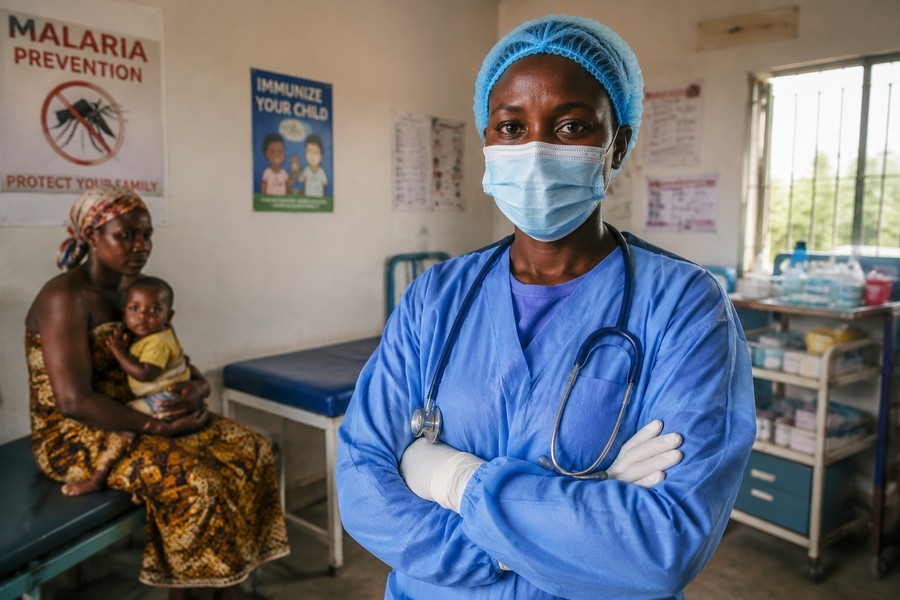
Healthcare Heroes Fight Rapidly Spreading Ebola Outbreak Without Pay
Every day, a nurse named Sophie walks into an Ebola treatment center in the northeastern part of the Democratic Republic of the Congo. She goes to work with a heavy heart, constantly worrying that she might catch the deadly virus and bring it home to her family and friends. More patients are arriving every day, and some of her own coworkers have already died from the disease. She and her colleagues live in constant fear of workplace accidents that could expose them to the virus.
Another worker at the same treatment center, a hygiene specialist named Martin, shares these deep anxieties. He explains that the crisis is causing him immense stress, but he feels he has no choice but to find the courage to keep working until the situation is under control.
This dedication is even more surprising because many of the workers on the front lines of this rapidly growing outbreak are not receiving their wages. Martin has been working for months but has only received a single month of pay. He was among dozens of workers who recently protested outside the facility due to unpaid bonuses. Sophie also reports missing wages, noting that the extreme pressure of the job is made worse by the lack of financial support from the government.
A Massive and Fast-Moving Crisis
The delay in paying workers is just one of many obstacles hindering efforts to stop the virus. The region is also struggling with misinformation, community mistrust, and a lack of basic infrastructure. The area is one of the poorest in the world, making the battle against the disease even more difficult.
The scale of the crisis is staggering:
- Over 2,500 people have died so far in this outbreak.
- The virus is spreading quickly across a region larger than the country of France.
- At least 160 healthcare workers have fallen ill, and 43 of them have lost their lives.
- Existing emergency funds are expected to run out within weeks without more international aid.
This crisis is unfolding in an area that has already suffered through three decades of violent conflict, which has created massive humanitarian needs and made delivering aid highly dangerous.
Understanding the Disease and the Strain
Ebola is a severe and often fatal illness. It first jumps from wild animals to humans and then spreads between people through direct contact. This contact can include:
- Touching the blood, organs, or bodily fluids of an infected person.
- Coming into contact with the bodies of those who have died from the virus.
- Touching contaminated surfaces, such as dirty bedding or clothing.
The sickness starts with basic symptoms like a fever, extreme tiredness, muscle pain, headaches, and a sore throat. As the virus gets worse, it causes vomiting, diarrhea, stomach pain, rashes, and severely damages the kidneys and liver.
The current outbreak in the region involves a rare type of the virus known as the Bundibugyo strain. Currently, there are no officially approved vaccines or treatments for this specific strain, though clinical trials are actively underway to find a solution. Global health experts warn that if the spread is not stopped, this outbreak could eventually become the largest in history, surpassing a major outbreak from several years ago in West Africa that caused more than 11,000 deaths.
Fear and Mistrust Fuel the Spread
Stopping the virus requires the cooperation of local communities, but fear and rumors are getting in the way. Because of widespread mistrust, many people who get sick do not go to health centers until it is too late. This has also led to violent attacks on medical clinics and ambulances.
Medical coordinators explain that when people suspect they are sick, they sometimes hide within their communities while waiting for test results. This unfortunately creates new clusters of infection, causing the virus to spread even further.
Much of this panic comes from how quickly the disease kills. People see their loved ones get sick, disappear into treatment centers, and get buried quickly without their families being allowed to see them. This lack of closure leads to rumors and makes residents terrified of the medical response teams.
Where the Virus Has Spread
The disease has now reached six provinces in the northeastern part of the country. Thousands of cases are concentrated in a province that sits right on the border of Uganda and South Sudan.
Neighboring Uganda also experienced a small scare, recording 20 cases and two deaths in its capital city. However, after the final patient was successfully treated and discharged, health officials officially declared that country to be free of the virus.
Back at the main treatment center, workers like Sophie are trying to stay positive. Despite the lack of pay and the extreme danger, she notes that many patients have successfully recovered. While she is proud of this progress, she warns that the medical community cannot afford to relax while the virus continues to threaten so many lives.