
Why the New Reality of Extreme Weather Cannot Be Ignored
When people run for public office, they often ask what challenges they will face in the future. The best answer is simple: they must worry about unexpected events. While many leaders focus on typical political debates, a massive crisis is already happening right now. This crisis is the "new weather" reality that is changing lives every single day.
The Harsh Impact of a Changing Climate
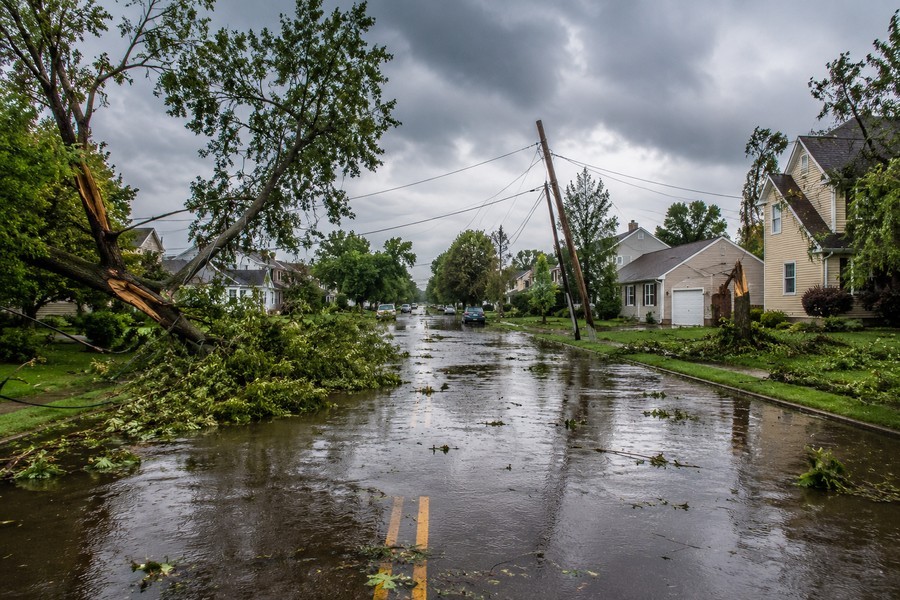
Lately, we have seen constant weather disasters. Heavy storms have caused terrible floods, power grids have failed, flights have been canceled, and wildfires have burned out of control. These events are so severe that they often dominate the daily news, pushing aside stories about foreign wars and government debates. This extreme weather is not a distant threat. It is a daily reality affecting millions of people across North America and Europe.
Drying Rivers and Deadly Heatwaves
In the Southwest, the ground is incredibly dry. The Colorado River, which is a vital lifeline for the region, is running out of water. This shortage directly impacts seven states and even reaches across the border to affect farming in another country. Because so much of our food supply relies on water from this river, a dry river means less food on grocery store shelves.
At the same time, extreme heat is becoming a quiet killer. When temperatures stay above 110 degrees, air conditioning becomes a necessity for survival. Tragically, more than a thousand people die from extreme heat every single year. During the worst year on record, official government death certificates linked over 2,300 deaths to extreme heat. However, because these numbers are difficult to track, the actual number of lives lost is likely much higher.
Extreme heat also strains our infrastructure. When the power goes out, people are left in the dark without cooling. For those who do have power, utility bills are rising quickly. Many families are forced to make painful choices between keeping their homes cool and buying food or medicine.
The Political Blame Game
Instead of working together on solutions, politicians often use the weather to argue with each other. Their arguments usually fall into predictable patterns:
- Left-leaning politicians blame fossil fuel companies, such as coal, oil, and natural gas providers, for trapping heat in the atmosphere.
- Right-leaning politicians blame excessive government rules and a failure to build new energy plants.
- Local leaders point fingers at large data centers and power companies for using too much energy.
The Cost of Fixing Our Infrastructure
Solving these problems will require massive construction projects. However, these projects are proposed at a time when the nation is facing a massive budget deficit. It is much easier for politicians in the capital to vote against spending money than it is for them to raise taxes to pay for these projects.
Some experts suggest building giant pipelines to carry water from wet areas of the country to dry states. But this is a difficult and expensive task. Fast-growing states like Texas have attracted millions of new residents and businesses. Yet, these states will struggle to keep growing if they cannot guarantee basic necessities like water and reliable electricity.
For decades, people have been moving from colder northern states to the warmer Southwest. In the future, extreme heat, rather than jobs or taxes, might stop this movement of people entirely.
Practical Steps for Survival
Learning to live with this new weather must become a top priority for our leaders. It is not an issue that can be solved with simple political slogans. Instead, it requires real, practical action. We must focus on key areas to keep communities safe:
- Strengthening the electric grid so it does not fail during heatwaves.
- Planting crops that can grow with very little water.
- Helping families pay their rising electric bills so they can stay cool and stay alive.