
Pollution Found in Yucatan Wells and Natural Sinkholes
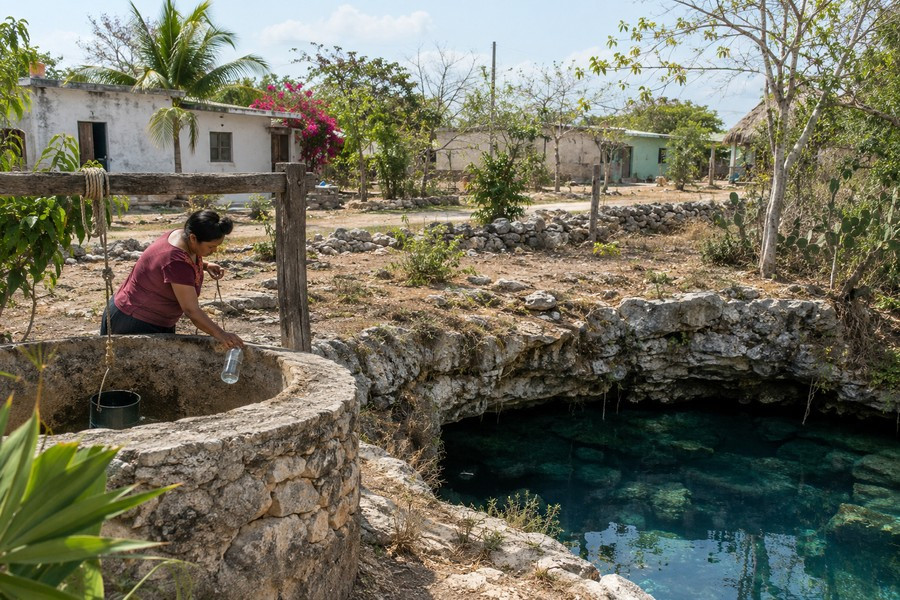
Water samples from wells and natural sinkholes in Mexico’s Yucatan state showed signs of contamination linked to faecal waste. The water sources are important to nearby communities, which depend on groundwater for drinking and other daily needs.
Testing found some level of contamination at all 17 sites checked near the state capital, Merida. Several samples showed especially high levels of bacteria. The findings raise concerns about the safety of water used for drinking, cooking and bathing.
What the Water Tests Found
An independent laboratory tested water collected from household and farm wells, community water points and cenotes. Cenotes are natural sinkholes that are common across the Yucatan Peninsula. The samples were collected near Merida.
Every sample showed some degree of contamination that may be connected to faecal waste. Total coliform bacteria, a broad group of bacteria used as an indicator of water quality, reached the test’s highest measurable level in 16 of the 17 samples. Faecal coliform bacteria reached that limit in 13 samples.
The tests could not tell whether the waste came from people or animals. Leaking septic tanks and municipal wastewater may also be adding pollution to the water. Separate testing used a DNA method designed to detect waste from pigs. That testing found signs of pig faecal matter in samples examined at laboratories in the United States and Mexico.
The results do not identify the source of every sample’s contamination. However, the presence of pig waste has raised questions about the effect of nearby pig farms on local water.
Why Groundwater Is So Important
The Yucatan has no above-ground rivers. Instead, communities rely on water stored underground as their main source of fresh water. The region’s bedrock is made of porous limestone, which allows water to pass through it easily.
That same feature can make the underground water supply vulnerable. Pollutants may seep through the limestone and reach groundwater or cenotes. This matters for local residents and for visitors to the peninsula, a popular tourist destination.
The water is also closely tied to the history and daily life of Maya communities. Indigenous residents have joined calls for environmental authorities to address the pollution and protect the water they rely on.
Concerns About Pig Farms
A separate assessment found more than 500 industrial pig farms across Yucatan state, holding more than 50,000 animals. Many of the farms are near lands and territories used by Indigenous Peoples.
A former United Nations expert who examined the issue said that waste and chemicals from large farms can quickly reach water used by nearby communities. The assessment also said many farms lacked required permits and that government efforts in the region were not enough to address the problem.
The former expert said industrial animal operations were a main source of pollution in waters that have supported Maya culture for thousands of years. The water testing, however, does not show that pig farms are responsible for every case of contamination.
Industry and Government Response
A representative of a local scientific water group defended the pork industry. He said farms had invested in water treatment and supported conservation programs. He also blamed local officials for failing to act, arguing that the issue would not receive attention unless it became politically important.
The state government did not provide a response. Mexico’s national water authority also did not immediately reply, and a local association of pig farmers did not respond to a request for comment.
Environmental advocates have called for a halt to new industrial livestock operations and expansions of existing farms in the state. Their demand reflects concerns about the number of farms, their proximity to Indigenous lands and the risk of waste reaching groundwater.
What Remains Unclear
The test results point to widespread contamination, but they leave important questions unanswered. They do not show which pollution source affected each site, or whether the bacteria came from people, pigs or other animals. Wastewater systems and septic tanks may also be part of the problem.
Further investigation would be needed to identify the sources and extent of pollution at individual locations. For communities that rely on groundwater, determining those sources is an important step toward protecting their water supply.