
Who Pays for the Power Needed by Giant Data Centers?
State officials are reviewing a new proposal from a major electricity provider. The main question is whether this plan will protect everyday homeowners from paying for the massive amounts of energy used by giant computer warehouses, known as data centers. The state utility commission is looking closely at the rules to see if the power company is doing enough to shield residents from high costs.
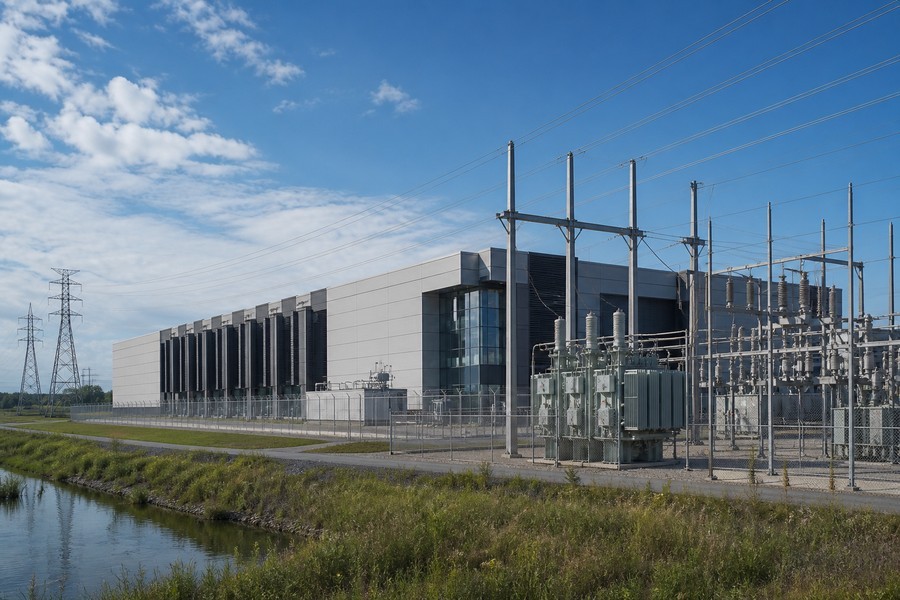
Data centers are massive facilities filled with computers that keep the internet, cloud storage, and online services running. Because these centers run day and night, they require an enormous amount of electricity to operate and keep the machines cool. Connecting these facilities to the local power grid requires expensive upgrades, and critics worry that regular families will end up paying for these changes on their monthly bills.
The Argument Over Electric Bills
An advocacy group representing local consumers was allowed to join the official discussions after the utility company tried to keep them out. A lawyer representing the consumer group argues that the power company's current proposal does not go far enough. The group claims there is no clear proof or analysis showing that these massive data centers will pay for the full cost of the electricity they use.
Without these protections, there is a major risk that regular households could see their monthly bills go up. Representatives for the consumers point out that even a single large data center can require an immense amount of energy to function. Building the infrastructure to supply this much power can cost billions of dollars. If the data center does not cover these costs, the burden could fall on regular customers.
The Power Company Defends Its Plan
The electricity provider argues that its plan is safe and follows a new state law. This law, which was recently signed by the state governor, is designed to protect average citizens from rate hikes caused by adding large data centers to the power grid. Representatives for the utility company state that customers are safe under a current rate agreement that lasts for the next few years.
According to the utility company, if a massive power user joins the system during this period and the revenue they bring in does not cover the cost of serving them, the financial gap will be paid by the company's shareholders. They state that regular customers will not have to pay for any shortfall. The utility company also plans to create a new, detailed rate plan for these large energy users in the future, which will be backed by thorough research and documentation to keep rates fair and clear.
A Dispute Over Who Can Speak
Before the official hearing, the power company tried to block the consumer advocacy group from participating. The utility company argued that they wanted to limit the discussions to organizations with direct connections to their actual customers. They claimed that involving outside groups was a distraction from the main issue.
However, the state utility commission ruled in favor of the consumer group. State officials decided that the group had shown enough evidence that many of its members are indeed customers of the utility. Because these members have a direct interest in what happens to their future electric bills, the commission ruled that they have every right to participate in the hearings.
Key Points of the Power Grid Debate
- Massive energy needs: Just one large data center can require a huge amount of power, costing billions of dollars to support.
- Protecting consumers: A state law requires utilities to shield regular households from rate increases caused by these new, high-energy facilities.
- Shareholder responsibility: The utility company claims that its shareholders, not its customers, will cover any financial gaps in the near term.
- Community representation: State regulators allowed a local consumer advocacy group to join the hearings to protect the interests of everyday residents.
As the state continues to grow and attract more technology companies, the balance between supporting new business and protecting local residents remains a major focus for utility regulators.