
Cattle Growers Express Concern Over New Meat Processing Proposals
A group representing regional cattle ranchers is raising concerns about a new proposal aimed at changing how meat is processed in the United States. The proposal, shared online by President Donald Trump, suggests making it easier for individual ranchers to process their own meat. While the idea aims to help independent farmers, some cattle producers worry that changing the current rules could harm the safety of the food supply.
The debate highlights a long-standing issue in the American food system. Currently, a small number of very large companies process the vast majority of the country's meat. Many people, including both President Trump and former President Joe Biden, have pointed out that this concentration of power can lead to higher prices for consumers and lower profits for independent farmers. When just a few large corporations control the market, it creates a bottleneck. This makes it harder for small ranchers to get their animals processed quickly, which often increases their overall costs. However, finding a safe way to change this system remains a difficult challenge.
The Current Rules for Processing Meat
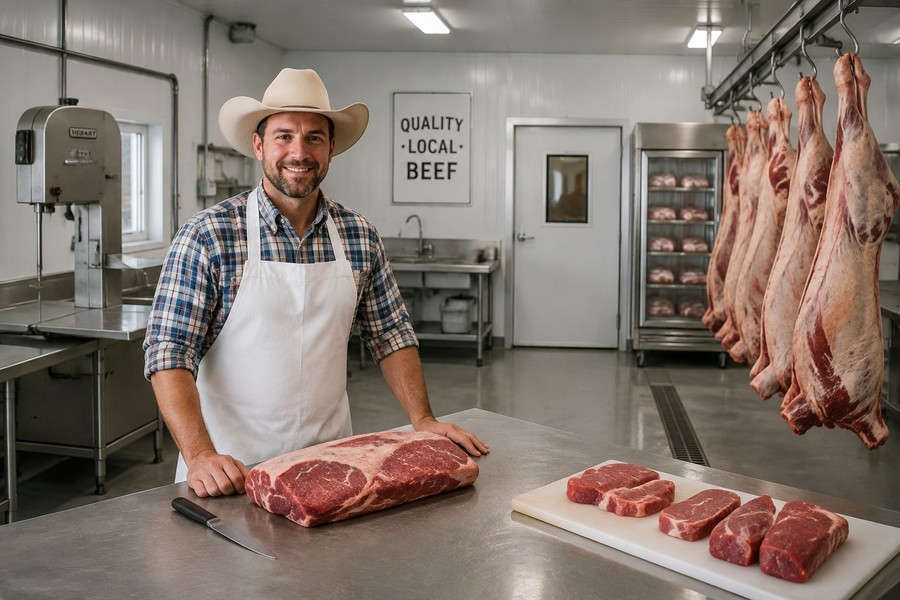
Under existing laws, there is a clear boundary between personal use and public sale when it comes to livestock. Ranchers are allowed to process their own animals to feed their own families. However, they cannot sell that meat to grocery stores, supermarkets, or restaurants unless it goes through a strict inspection process. This system is designed to ensure that all meat sold to the public is safe to eat.
A regional association representing cattle producers recently shared their thoughts on the new proposal. They believe that the current federal inspection system is necessary to keep the public healthy and to maintain trust in American beef. The group believes the rules that govern food safety should not be viewed as unnecessary paperwork or red tape. Instead, they are essential protections for everyone.
The association shared several key points regarding the situation:
- Protecting Public Health: The group argues that federal meat inspections are the primary defense against foodborne illnesses.
- Maintaining Consumer Trust: Buyers need to feel confident that the meat they purchase is clean and safe.
- Supporting the Market: If consumers lose faith in the safety of beef, demand could drop, which would hurt all cattle producers.
A Look Back at Food Safety History
To understand why these rules are so strict, it helps to look at the history of food safety in the United States. The federal government first set up meat inspection standards more than one hundred years ago. This was done because unsanitary conditions in processing plants were causing serious illnesses and damaging public trust. Over the decades, these rules have been updated to address new safety challenges.
In the 1990s, the nation faced dangerous outbreaks of E. coli bacteria linked to meat. These outbreaks were a major wake-up call for the industry. In response, both the government and the meat industry worked together to create much stronger safety controls and pathogen prevention measures. These rules helped stop dangerous bacteria from spreading and rebuilt the public's trust in the beef industry. The cattle association believes that weakening these hard-won standards would put both public health and the livestock market at risk.
The Call for a Different Approach
The cattle group believes the new proposal is not a practical solution for improving the country's beef supply chain. Instead, they view it as a distraction from other important issues facing the industry, such as recent decisions regarding beef imports that many local producers did not support. They feel that focusing on processing rules takes attention away from the challenges caused by importing foreign beef.
To address these challenges, the association is asking for the following steps to be taken:
- Keep Standards Strong: Maintain the same high inspection rules for all meat sold to the public.
- Reconsider Import Policies: Withdraw recent decisions that increased the amount of imported beef allowed into the country.
- Work Together: Encourage the administration to collaborate directly with cattle producers to find realistic solutions.
The group is also encouraging local ranchers to take action by reaching out to their representatives in Congress. They want producers to ask lawmakers to protect current food safety standards and to oppose policies that could hurt domestic beef production.