
A Guide to Upcoming Lunar Eclipses: What to Expect in the Night Sky
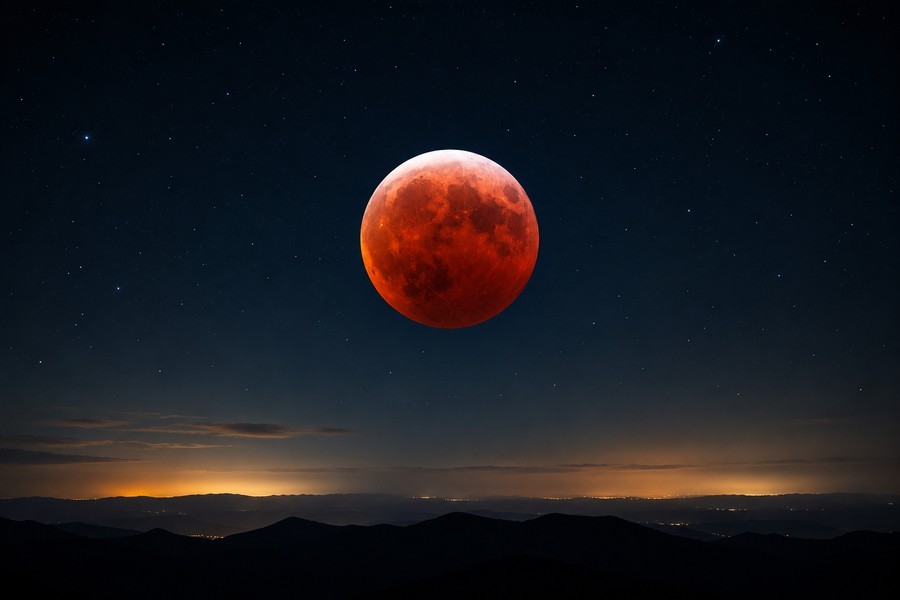
Skywatchers recently enjoyed a beautiful celestial treat during the partial lunar eclipse in August. During that event, the moon dipped into Earth's shadow, turning a deep red color at the peak of the eclipse. It was a stunning display of natural light, caused by sunlight filtering through our planet's atmosphere. Now that this event has passed, many people are wondering when they can see the next lunar eclipse.
Understanding Earth's Shadows
To understand what is coming next, it helps to know how eclipses work. Earth casts two different types of shadows into space. Knowing the difference between them helps us understand why some eclipses are bright red and others are very hard to see:
- The Umbra: This is the dark, inner part of Earth's shadow. When the moon passes into this area, the sun's light is blocked directly, creating a noticeable dark shape or a deep red color.
- The Penumbra: This is the faint, outer part of Earth's shadow. When the moon passes through this region, the sunlight is only partially blocked, causing a very slight dimming that can be difficult to notice with the naked eye.
The Next Lunar Event in February 2027
The next time our planet aligns with the moon will be on February 20, 2027. This event will occur during February's full moon, which is traditionally known as the Snow Moon. This name comes from the cold, snowy weather that typically occurs during this time of year in North America.
This upcoming event will be a penumbral lunar eclipse. Unlike a partial or total eclipse, Earth's dark inner shadow will miss the moon completely. Instead, the moon will only slide through the pale outer shadow. Because of this, the silver glow of the moon will only be slightly dimmed. It will be a very quiet and subtle event compared to the dramatic red moon seen in August.
When and How to Watch
If you want to try and spot this gentle change in brightness, timing is everything. The dimming will be most noticeable at 6:12 p.m. EST (2312 GMT) on February 20, 2027. At this exact moment, the moon will be closest to the dark inner shadow of Earth.
The shading will be most visible near the northern polar region of the moon. Even at its peak, however, the effect will be very faint. You will need to look closely to see the slight shadow on the lunar surface.
A Fun Challenge for Photographers
Because this eclipse is so subtle, it presents a fun project for anyone who enjoys taking pictures of the night sky. You can try to capture the difference using a camera by following these steps:
- Take a photograph of the Snow Moon at the exact peak of the eclipse.
- Take another photograph of a normal full moon on a different night using the exact same camera settings.
- Compare the two images side-by-side to see if you can spot the faint shadow cast by Earth.
If you want to try this, using a camera with a good zoom lens or a telescope attachment can help you capture the fine details of the lunar surface.
Looking Ahead to a Spectacular Blood Moon
If you are waiting for a highly dramatic sky show like the one in August, you will have to wait a bit longer. The next major event will not happen until December 31, 2028, on New Year's Eve.
On that night, a spectacular total lunar eclipse will take place. This event will turn the moon into a brilliant, glowing red color, often called a Blood Moon. This colorful transformation occurs because Earth's atmosphere bends and filters sunlight, scattering the red wavelengths onto the moon's surface. This stunning view will be visible to skywatchers located across Asia, Australia, and the Pacific region.