
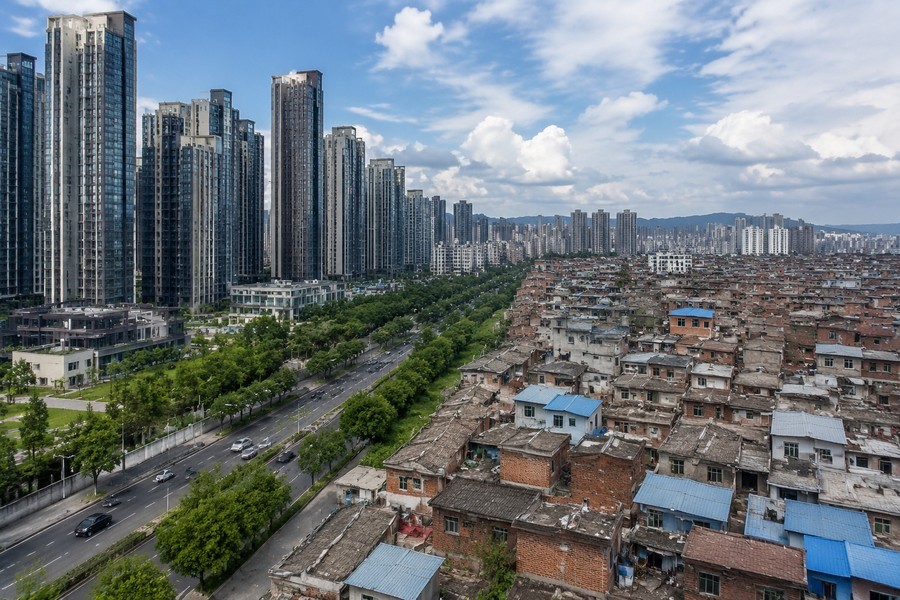
Why Owning a Home Has Become a Global Wealth Game
Real estate is a world of sharp contrasts. For some, it is a way to build incredible wealth. For others, it is a barrier that keeps them from having a stable place to live. This gap has grown so wide that it is starting to change how societies work and how families survive.
On one hand, property is the largest store of money on Earth. On the other hand, finding an affordable place to live has become a major struggle in many developed countries, driving more families into financial hardship.
The Massive Value of Global Property
The total value of all global real estate—including homes, commercial buildings, and farmland—is estimated at $393 trillion. Out of this massive amount, housing alone makes up $286.9 trillion.
To understand how large this number is, consider these facts:
- This housing wealth is nearly 20 times the value of all the gold ever mined in human history.
- It easily surpasses the total value of all global stock markets and all global debt combined.
- Housing is no longer just one part of the economy; it has become a primary place where global wealth is stored.
The Struggle to Pay Rent
While property values soar, regular people are finding it harder than ever to afford a home. In many wealthy nations, high housing costs are a direct cause of poverty.
For example, in countries like Spain, the housing market has reached a crisis point:
- About 45% of the population is struggling due to the housing crisis.
- More than four out of ten households cannot afford their basic monthly expenses.
- Many citizens are forced to spend more than 40% of their net income just to pay rent.
When a family must spend that much of their income on shelter, they have very little left over for food, healthcare, and other necessities.
From a Shelter to a Financial Asset
How did this happen? In the past, a house was valued primarily as a place to live. Today, it is increasingly treated as a financial asset, similar to a stock or a government bond. Investors buy housing because they want to make a profit through rent, sales, or rising property values.
This shift began after a major global economic downturn. For years, interest rates were kept extremely low. This meant that traditional savings accounts and government bonds did not offer high returns. Investors started looking for other places to put their cash, and they chose housing. Huge investment funds, wealthy family offices, and banks poured money into the residential market, a trend that has only increased with inflation and global instability.
The Impact of Big Investors
The rise of corporate landlords and investment funds has changed the market. When wealthy buyers purchase properties simply to store their cash, they sometimes leave those homes empty. This reduces the number of available homes, which drives prices even higher for everyone else.
The structure of who owns these rental properties varies by country:
- In countries like Germany and France, up to 30% of rental properties are owned by large institutions.
- In Spain, the market is more fragmented, with large funds owning only about 10% of rentals, while individual savers own about 92%.
Even when large investment funds own a smaller share of the market, they still have the power to set price trends. In some European nations, international institutional investors have made up nearly half of all real estate investments, spending billions of dollars to acquire residential properties. Furthermore, nearly half of the world's wealthiest family offices plan to increase their investments in housing, viewing it as a safe shield against inflation.
Governments Try to Take Action
As the housing crisis worsens, some governments are trying to limit speculation and protect renters:
- Some regional governments have expanded rent control measures in areas where housing costs are rising too fast.
- Certain nations have ended special visa programs that previously granted residency rights to foreign buyers who made large real estate purchases.
- In the United States, lawmakers have proposed bills to stop large investment companies from buying up single-family homes if they already own hundreds of properties.
A Widening Wealth Gap
This shift has created a massive divide between those who own property and those who do not. In many countries, property wealth is highly concentrated. For instance, the richest 10% of households often own about one-third of all real estate wealth, while the bottom half of the population holds only about 15%.
This concentration of ownership accelerates inequality. As property prices rise, homeowners benefit from growing wealth, while renters face higher barriers to ever owning a home.
This situation creates a fundamental conflict. To satisfy investors, housing prices must remain high and continue to rise. But to satisfy the basic human need for shelter, housing must be abundant and affordable. Balancing these two opposing forces remains one of the greatest challenges for communities and policymakers around the world.
