
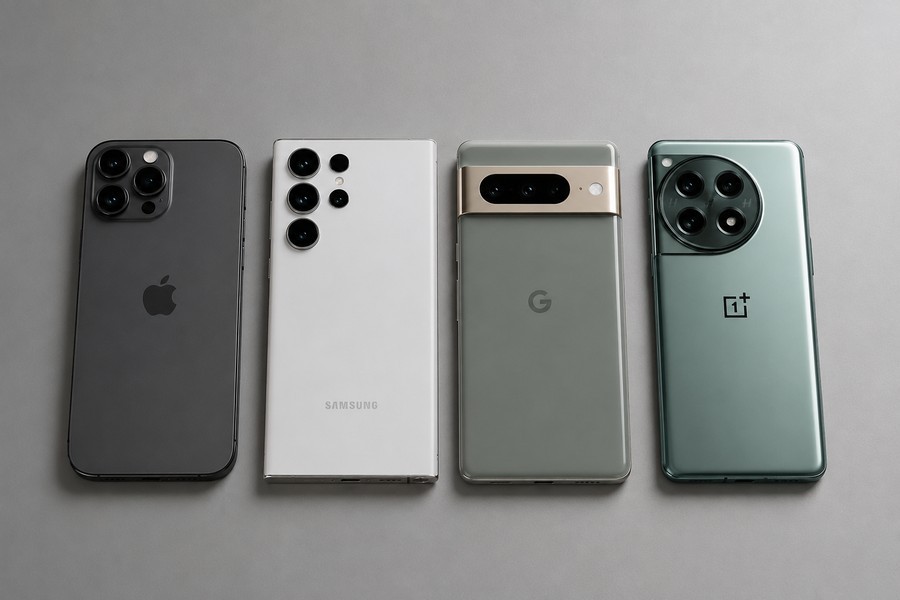
A Fresh Look at the Upcoming Premium Smartphone Family and Its Big Upgrades
Even though the latest folding phones have only recently arrived in stores, attention is already turning to the next generation of traditional, non-folding flagship devices. The upcoming series of premium smartphones is expected to bring some major changes to how the devices are organized, along with some highly anticipated improvements to the camera systems and battery technology.
A New Strategy for the Phone Lineup
The next generation of these flagship devices will feature a new structure. Instead of the usual three-phone selection that consumers have grown accustomed to, the upcoming release will consist of four distinct models. This new approach splits the lineup into two standard models and two high-end models, a design strategy very similar to what other major smartphone creators use for their top-tier devices.
A key addition to this group is a brand-new "Pro" model. In the past, users who wanted the absolute best camera features had to buy the largest, heaviest phone available. This new Pro model is designed to change that. It serves as a smaller counterpart to the top-of-the-line "Ultra" model, giving users advanced photography tools in a much more pocket-friendly size. Internally, these four upcoming models are being referred to by the codename "Next Miracle," with individual versions labeled as NM1, NM2, NM3, and NM4.
Upgrades Coming to the Cameras
Camera quality is one of the most important features of any modern smartphone, and this new lineup is set to receive some notable hardware updates. The changes include brand-new sensors for the main cameras on the standard models, a shared high-quality ultrawide lens for the premium models, and upgraded front-facing cameras for selfie lovers. A camera sensor is the part of the phone that captures light, so a new sensor usually means clearer photos, especially in low-light situations like nighttime or indoors.
Here is how the camera specifications shape up for each of the four expected models:
- Standard Model: This entry-level flagship features a 50-megapixel main camera with a brand-new sensor, a 12-megapixel ultrawide camera, and a telephoto camera that has not yet been fully detailed.
- Plus Model: Mirroring the standard version, this slightly larger phone comes with a 50-megapixel main camera utilizing the new sensor, a 12-megapixel ultrawide camera, and a telephoto camera with details still to be determined.
- Pro Model: The new mid-tier premium option features a main camera with specifications that are still unknown, a 50-megapixel ultrawide camera, a 50-megapixel telephoto camera with 5x optical zoom, and a 16-megapixel front-facing camera equipped with autofocus.
- Ultra Model: The absolute top-tier device is expected to feature a powerful main camera, likely reaching 200 megapixels. It also includes a 50-megapixel ultrawide camera, a 50-megapixel telephoto camera with 5x optical zoom, a second telephoto camera with details to be decided, and a 16-megapixel front-facing camera with autofocus.
The 50-megapixel ultrawide camera used in both the Pro and Ultra models is the very same high-end sensor found in the recently released folding flagship phone, ensuring excellent wide-angle photos. Additionally, the new 16-megapixel front-facing cameras on the Pro and Ultra models feature autofocus, which helps keep your face sharp even if you move the phone closer or further away while taking a photo or making a video call.
New Battery Technology on the Horizon
Beyond the cameras, the upcoming smartphone series is expected to adopt silicon-carbon battery technology. This is a step forward in battery design that the manufacturer first introduced in its newest folding devices. Silicon-carbon batteries are known for being more efficient and compact than traditional lithium-ion batteries. They allow for higher energy density, meaning more power can fit into a smaller space.
While this is an exciting technological step, it may not lead to a massive increase in actual battery capacity. Instead, it allows the phones to maintain a slim, lightweight design while still holding a reliable charge throughout the day. Furthermore, because these advanced batteries are more expensive to manufacture, they might not be included in all four models. The company may limit them to the higher-end versions to keep the prices of the basic models more affordable for everyday shoppers.
Additionally, some specialized display features, such as the Privacy Display tech designed to keep onlookers from seeing your screen from the side, are not expected to expand to the other models in this upcoming generation, remaining exclusive to specific devices.
