
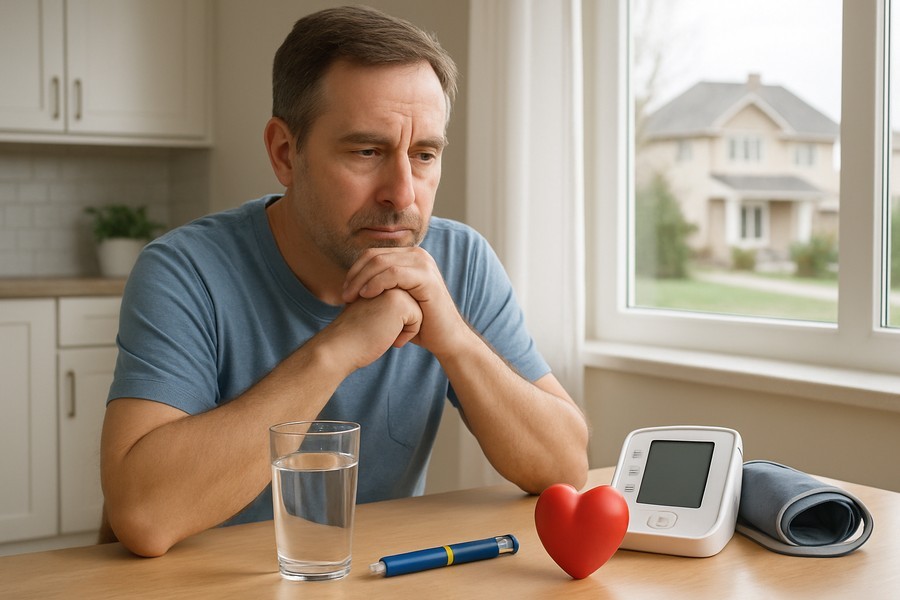
Understanding the Risks: Halting GLP-1s Can Increase Chances of Heart Disease and Fatality, Research Reveals
GLP-1s, a type of medication, are commonly used by about one in eight adults in the U.S. However, a recent study has revealed that putting an end to the use of these drugs might not be risk-free.
Findings of the Study
The study was carried out by a prestigious medical school and its findings were published in a respected medical journal. The research provides evidence that even minor interruptions in the treatment with GLP-1 can lead to an increased risk of heart attack, stroke, and death among individuals suffering from Type 2 diabetes. Moreover, the damage caused might not be completely reversible. The researchers utilized electronic health records to monitor over 333,000 adults diagnosed with diabetes for a period of three years. A majority of these individuals were using a specific diabetes injection.
Key Data Points
- Those who consistently used GLP-1s over the three-year period experienced an 18% decrease in cardiovascular risk.
- A discontinuation of GLP-1s for a period of just six months could wipe out much of this protection, causing a 4% increase in risk compared to continuous use.
- A two-year break from the treatment could push this risk up to 22% in comparison to sustained use.
Significant Findings
According to one of the authors of the study, GLP-1s do a lot more than just aiding in weight loss. They help in reducing a range of health issues like cholesterol, blood pressure, insulin resistance, and inflammation, thereby offering cardiovascular protection. However, this protection ceases to exist once the treatment is halted. Furthermore, it takes much longer to build cardiovascular protection than to undo it. The study author described this phenomenon as a "metabolic whiplash", where all the improvements revert once the treatment ends.
While the cardiovascular benefits of GLP-1s are well-known, this study is one of the first to offer large-scale evidence regarding the impact on patients' hearts when they stop taking these drugs, particularly those suffering from diabetes.
Issues with GLP-1s
The study also highlights the high discontinuation rates for GLP-1s, which range from 36% to 81%. This is mainly due to difficulties in obtaining the medication and side effects like nausea and vomiting. The author of the study stressed the importance of understanding that GLP-1s need to be used consistently over the long term, not just for a few months or years. He also emphasized the need for tackling the primary reasons behind discontinuations, such as proactively managing side effects.
Moreover, the author stated that maintaining patients on the treatment should not be taken lightly. It's crucial to realize that stopping the treatment comes with a price. Pharmaceutical companies are also attempting to address the issue of discontinuation by working on next-generation obesity and diabetes treatments that offer similar efficacy with fewer undesirable side effects.
With the federal Medicare program preparing to cover weight loss treatments for the first time and major pharmaceutical companies striving to increase obesity drug coverage among employers, the issue of accessibility is expected to improve in the U.S.