
Hospitals Have Emergency Plans, but Many Workers Have Never Read Them
Hospitals prepare for earthquakes, fires, floods, chemical accidents, and events that send large numbers of injured people for care. Emergency plans are meant to protect patients and workers, keep vital services open, organize incoming casualties, and guide evacuations when needed.
Yet having a plan is not the same as being ready to use it.
At a hospital in Rethymno, on the Greek island of Crete, 201 workers were asked whether they had read the hospital's emergency plan. Only 22.9 percent said yes. Most workers knew that a plan existed, but 42.8 percent said they could not access it.
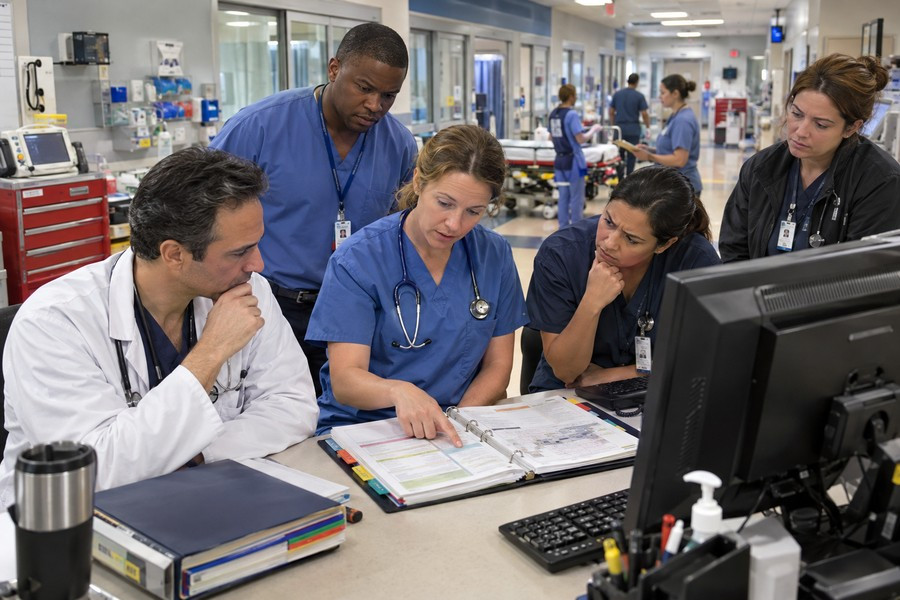
The plans were stored in binders and on shared computer drives. Still, many nurses, doctors, office workers, and other employees were unsure where to find them or what the plans required them to do.
A Large Gap Between Awareness and Readiness
The survey included workers from nursing, medical, administrative, technical, and allied-health departments. A total of 201 people completed the questionnaire, representing about half of the hospital's 411 eligible employees. The response rate was 91.4 percent.
The results showed that only 29.9 percent of workers felt highly prepared to respond to an event involving many casualties. At the same time, 65.7 percent knew the hospital had an emergency plan.
That difference matters. Knowing that a document exists does not tell a worker where to report, how to protect patients, which tasks to handle, or how to communicate during a crisis.
The findings also showed that workers want better preparation. Every person who completed the survey agreed that hospital staff need training on emergency plans.
- 86.1 percent preferred hands-on emergency exercises.
- 51.2 percent selected seminars as a useful training method.
- 20.9 percent preferred classroom lessons.
These answers suggest that the problem is not a lack of interest. Workers are willing to learn. The hospital system has not created enough chances for them to practice.
The Problem Is Wider Than One Hospital
Similar concerns have appeared in other hospitals in Crete and across Greece. One survey in the Attica region found that only 21.7 percent of employees knew about their workplace's emergency plans. Just 7.7 percent had taken part in an exercise or activity linked to a major disaster.
Another survey at the same hospital found that only 15 percent of employees had read its preparedness plans. In a separate group of 364 doctors and nurses, 55.7 percent did not know whether their workplace had a disaster plan at all. About 61 percent believed they were not properly prepared.
The surveys used different questions and included different groups of workers, so they cannot be used to create a national trend. Still, they show a repeated weakness: emergency plans may exist, but many hospital employees do not know how to use them.
Why Emergency Plans Are Often Ignored
Several problems help explain the gap between written plans and real readiness.
Training is not always regular. Workers often describe a system without scheduled refresher courses, repeated drills, or routine checks to make sure employees understand their roles.
Responsibility is unclear. In many workplaces, staff members are not tested on their knowledge of the emergency plan. Preparedness may not be part of performance reviews, and workers may receive little recognition for completing training.
Hospitals are understaffed. Employees who are already covering several jobs may feel they cannot leave their normal duties for an exercise. During busy shifts, emergency training can seem less urgent than immediate patient care.
Practical Training Can Build Confidence
Hospitals do not necessarily need more lengthy documents. They need to make existing plans easier to find, easier to understand, and easier to practice.
Emergency training should be required and repeated. Hands-on exercises should be used instead of relying mainly on slide presentations. A six-month training cycle could be a useful starting point, with changes based on each hospital's risks, staffing, and past exercise results.
Repeating the training is important. One five-hour emergency course improved staff knowledge, but some of that knowledge had faded within a month. A single class cannot prepare workers for a crisis that may happen years later.
Exercises should also include different shifts and job groups. A nurse, security worker, technician, doctor, and office employee may each have a different role during an evacuation or mass-casualty event.
Better Tracking and Clearer Leadership
A nationwide system could track whether hospitals have completed safety reviews and when those reviews were last updated. These reviews should examine buildings, power and water systems, medical supplies, communication tools, staffing, and emergency procedures.
Every hospital should also have a permanent preparedness officer. This person would keep plans current, organize drills, record problems, and maintain working relationships with ambulance crews, fire departments, and other emergency services.
The position should have a reporting connection outside the hospital's daily management. That would help preserve emergency programs when hospital leaders change.
Hospitals should measure readiness as part of their regular evaluations. Useful measures could include:
- How many workers can locate the current emergency plan during their shift.
- How many employees have completed training for their specific roles.
- Whether every department and shift has joined an exercise.
- Whether drills meet their goals.
- Whether identified problems are corrected.
Attendance alone is not enough. Hospitals should also check whether workers can demonstrate the skills they were taught.
Written Plans Must Become Real Practice
Emergency plans are valuable only when workers know where they are, understand their duties, and can act quickly under pressure. Hospitals do not need to wait for a disaster to discover that their staff are unfamiliar with the plan.
Regular practice can turn written instructions into familiar actions. The goal is not to make workers memorize every page. It is to ensure that they know the first steps, the chain of command, the location of key resources, and the responsibilities tied to their jobs.
Hoping that an emergency never happens is understandable. But hope cannot replace preparation. Hospitals protect patients best when they train before the crisis begins.