
How a Novel Helped Shape Radical Environmental Activism
Environmental sabotage first appeared in fiction before it became a real-world protest tactic. A novel about four rebels fighting development in the American West helped create a name, a style, and a sense of purpose for people who wanted to defend nature by damaging property.
A Story That Inspired Real Action
The Monkey Wrench Gang, written by park ranger Edward Abbey, follows four strangers who join forces after meeting during a river trip. George Washington Hayduke, Bonnie Abbzug, Dr. A.K. Sarvis, and “Seldom Seen” Smith share a deep anger toward roads, dams, machines, and other projects changing the Western landscape.
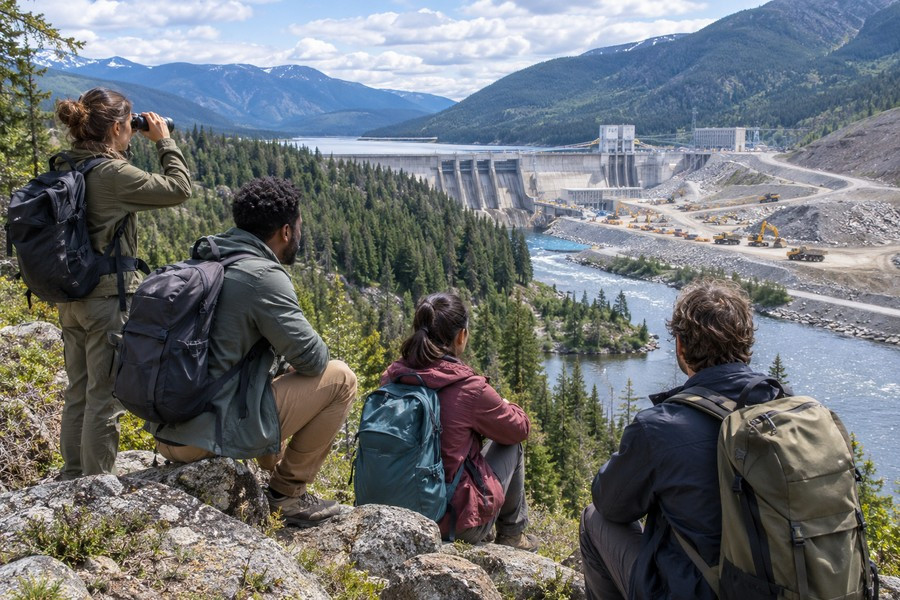
The group burns billboards, damages construction equipment, argues among themselves, and avoids the police. Their largest goal is to destroy a bridge near Glen Canyon Dam. The book is often funny and exciting, but parts of it have aged badly, especially its treatment of Native people.
Still, the novel had a strong effect. People who later took part in environmental sabotage began calling their actions “monkeywrenching”, using the book’s title as a label for attacks on machines and development projects.
Growing Fear Over Pollution
The novel appeared during a period of rising public concern about pollution. Scientists and environmental writers were warning that pesticides could damage entire ecosystems. Groups were protesting nuclear testing, oil spills were harming coastlines, and many Americans were beginning to see industrial growth as a threat to clean air, water, and wildlife.
Most environmental activists worked through protests, lawsuits, public campaigns, and political pressure. A smaller group believed stronger action was needed. Abbey’s fictional characters gave these people a dramatic example of what a radical environmental movement might look like.
That idea helped lead to the creation of Earth First! The group honored the novel by staging a symbolic attack on a bridge near Glen Canyon. Activists placed a fake crack across the concrete to suggest that the structure had been damaged. The stunt gained attention, but it did not create the wider impact they wanted.
The group then turned to more direct actions. Members chained themselves to bulldozers, lived in trees to block logging, disabled heavy machinery, and protested a golf course in Colorado. Someone burned the words “Hayduke lives” into the grass, referring to the novel’s rebellious hero.
Conflict Inside the Movement
Abbey became an informal guide for Earth First! He sometimes spoke at meetings, joined songs, and offered advice. Over time, however, his political views caused growing tension. He wrote harsh arguments about immigration and called for closing the southern border, positions that many younger activists rejected.
A major dispute at a movement gathering created a deep split between older leaders and a newer anarchist faction. Earth First! lost much of its unity. As often happens in radical groups, the breakup also created new organizations with more extreme goals.
From Property Damage to Terror Charges
Groups such as the Earth Liberation Front and Earth Liberation Army said they wanted to take monkeywrenching further. Their targets included vehicle dealerships, government buildings, housing projects, universities connected to industry, a fur business, and a ski resort in Colorado.
Some activists also drove large metal spikes into trees marked for logging. The spikes could damage saws and seriously injure workers. Earlier members of Earth First! had rejected this tactic, but the newer groups used it anyway.
By the early 2000s, federal authorities classified several radical environmental groups as terrorist organizations. The FBI created a major investigation known as Operation Backfire. Arrests and prosecutions weakened the movement, and organized environmental sabotage declined.
New activist groups later tried to continue parts of this tradition through protests against large vehicles, climate change, and government policy. Their methods varied, but the basic idea remained familiar: dramatic action could push environmental destruction into public view.
Why Fiction Can Change Politics
Literature can make an unusual future feel possible. A reader may begin a story with no clear opinion, then become attached to a character whose choices are troubling. That conflict can force the reader to ask whether violence or sabotage is ever justified.
In this case, Abbey’s novel did more than describe a radical group. It gave readers a model they could copy. It showed how a small band of people might challenge powerful companies and government projects, even when the plan was reckless or illegal.
The Rise of Climate Fiction
Few major novels about environmental sabotage followed The Monkey Wrench Gang for many years. Some writers explored damaged landscapes and climate disasters, but they usually focused on survival, politics, or personal relationships rather than direct attacks on development.
That changed as climate fiction became more popular. Books by writers such as Barbara Kingsolver, Karen Russell, Lauren Groff, Joy Williams, Jenny Offill, Jeff VanderMeer, and Richard Powers examined rising temperatures, damaged ecosystems, and the human cost of environmental collapse.
Recent novels have returned to the question of radical action. Birnam Wood presents an anarchist group trying to protect land from a wealthy technology leader. The activists use guerrilla gardening, but their group suffers from personal disputes and internal divisions. The story eventually turns toward violence, betrayal, and tragedy.
How Beautiful We Were follows a village in Africa damaged by an oil company and a government that supports it. The residents try protests, lawsuits, international pressure, student action, and financial settlements. When those efforts fail, they turn to kidnapping, sabotage, and political killings. In the end, pollution destroys the village, leaving the next generation with little more than memories.
Another novel, Creation Lake, follows an undercover investigator who enters a French farming community suspected of sabotaging development plans. Her employers hope the group will carry out an assassination, which would destroy the community’s nonviolent campaign.
These stories offer no simple answer. Some suggest that radical action can inspire change. Others show how movements can collapse under violence, ego, political pressure, and internal conflict. Together, they show the lasting power of fiction to reshape what people believe is possible in the real world.