
A New Threat to Our Water: How Cheap Drones Can Cut Off Lifelines
Water and power systems have become major targets in modern conflicts. Recently, tense situations in the Middle East have shown that vital water facilities are now on the front lines. One nation has warned its neighbors that if its military is attacked, it will strike their critical infrastructure in return. Recent events show this is not an empty threat.
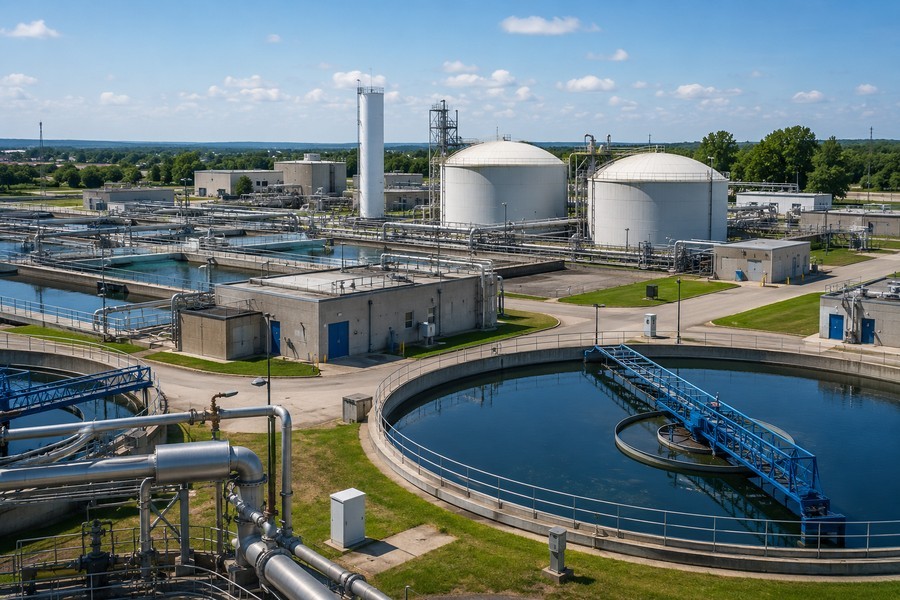
Over the past several months, multiple water facilities have been damaged. In one country, falling pieces from a shot-down drone damaged a plant that removes salt from ocean water. In other incidents, direct strikes hit water cleanup facilities in neighboring nations. One of these attacks at a power and water plant tragically took the life of a worker. These repeated strikes have forced local governments to ask citizens to save electricity, showing how fragile these systems can be.
The Problem with Modern Air Defenses
The most effective way to keep water systems running during a conflict is to stop incoming threats before they reach their targets. However, this is becoming much harder to do. We can look at conflicts in Eastern Europe to see what happens when a nation runs out of defense missiles. Without these defenses, incoming attacks easily get through, causing terrible damage to everyday infrastructure.
The same danger applies to other parts of the world. High-tech defense systems are expensive and limited. Estimates show that global supplies of advanced interceptor missiles are quite low. If a nation faces a continuous attack lasting many days, it could quickly run out of defensive missiles, leaving its water and power plants completely unprotected.
Water as an Ancient and Modern Weapon
Using water as a weapon is not a new idea. Throughout history, armies have used water to defeat their enemies. In past centuries, armies have blown up dams to flood land and stop invading soldiers, or destroyed reservoirs to cut off supplies. But in the past, doing this required massive armies, heavy explosives, or years of planning.
Today, the situation is very different. Cheap technology has changed the rules of war. An attacker no longer needs a giant army. Instead, they can use small, remote-controlled drones. These drones cost about the same as a standard new pickup truck. Yet, a small group of them can fly hundreds of miles and shut down a water system that serves millions of people. This makes vital infrastructure incredibly vulnerable to almost any group with a small budget.
Why Water Outages Cause Instant Crises
Water is different from other resources like oil or food. If a country loses its oil supply, it can rely on money and savings to get through the crisis for months. If food supplies are cut off, it takes weeks before people begin to starve. But if a city loses its water, a major crisis can begin in just a few days.
Many dry nations rely heavily on special plants to turn seawater into drinking water. If these plants are damaged or lose power, cities must rely on stored water. Many areas only have enough stored water to last less than a week. To prepare for this, some countries are trying new safety measures, such as:
- Underground storage: Pumping clean water deep into natural underground spaces to save it for emergencies.
- Emergency wells: Using underground well water, though this water is often salty and must be cleaned before people can drink it.
- Long pipelines: Building massive networks of pipes to move water from safe areas to places that have been attacked.
The Link Between Power and Water
Another major issue is that water and power are deeply connected. Modern water plants require massive amounts of electricity to run. If an enemy strikes a power plant, the nearby water plant will stop working too, even if the water plant itself was never touched.
Fixing these integrated systems is incredibly difficult. It requires finding large generators, transformers, and specialized workers. Because there is a high demand for electrical equipment worldwide right now, getting these parts can take a very long time. If a country cannot fix its power grid within a few days, its emergency water reserves will run out, leading to severe public health risks.
Steps to Protect Vital Water Systems
To keep communities safe from these threats, experts suggest several important steps to make water systems stronger:
- Harden facilities: Build stronger physical barriers around key machinery.
- Keep extra parts: Store critical spare parts nearby so repairs can be made quickly.
- Use local power: Set up dedicated solar, wind, or gas power sources at water plants so they do not rely entirely on the main power grid.
- Spread out plants: Build several smaller water facilities instead of one giant plant that is easy to target.
- Connect pipelines: Create a network of pipes that connects different coasts and regions so water can be shared during an emergency.
- Train the public: Teach citizens how to prepare for water shortages so communities can react calmly during a crisis.
Protecting these systems will be expensive and will require cooperation between governments and private companies. However, building these defenses is much cheaper than dealing with the devastating consequences of a sudden water shortage.
