
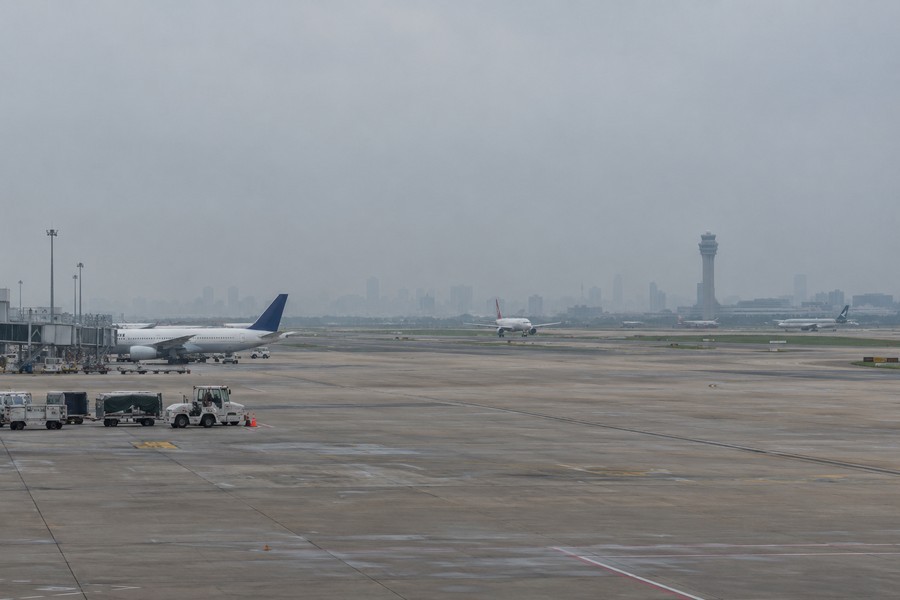
Volcanic Blast in Indonesia Halts Hundreds of Flights and Spreads Ash
A sudden volcanic eruption in Indonesia has disrupted travel plans for tens of thousands of people. The blast sent thick clouds of volcanic ash drifting across the western region of the country. Because this ash makes flying highly dangerous, aviation authorities had to stop all flights at the nation's capital city airport and several other key travel hubs.
Volcanic ash is not like the soft ash from a campfire. It is actually made of tiny, sharp pieces of rock and glass. If an airplane flies through an ash cloud, these particles can clog and damage the jet engines, and even scratch the windshields so badly that pilots cannot see. Because of these dangers, shutting down the airports was necessary to protect passengers and crew.
Airports Shut Down as Ash Fills the Sky
The sudden closure of the airspace created massive delays for travelers. Air traffic controllers shut down the skies around two major airports in the capital city of Jakarta, as well as four other regional airports. By the middle of the afternoon, the cancellations had grown to a massive scale:
- A total of 516 flight movements were canceled or delayed across the region.
- At the capital's main international airport alone, 202 flights were grounded.
- About 22,800 passengers found themselves stranded or facing major delays.
Managing the aftermath of these cancellations is a major challenge for airlines. Travelers can expect a chain reaction of delays that will last for days. These disruptions will likely affect how airplanes are rotated to different cities, whether enough planes are available for scheduled routes, and how crowded the airport terminals become. Transportation leaders emphasized that keeping passengers safe is the top priority in every decision made during this event.
Safety Zones and Volcano Activity
Despite the dramatic eruption, there is some good news. No one was hurt, and no one had to leave their homes. The closest town is more than 10 miles away from the volcano, which kept local residents safe from the immediate blast. However, safety experts are warning everyone to stay at least two miles away from the volcano's crater to avoid falling rocks and hot gases.
People traveling by boat nearby witnessed the incredible power of the blast. People on a fishing boat out at sea captured video of bright red lava shooting high into the night sky.
The volcanic island is located in a body of water called the Sunda Strait, which sits right between two of the country's largest islands, Java and Sumatra. The volcano started showing signs of life on Friday. Then, in the early hours of Sunday morning, it erupted in a sudden, powerful 30-second burst. The wind carried the fine grey ash over the capital city and across the southern tip of Sumatra island.
A Famous and Dangerous History
The volcano is named Anak Krakatau, which translates to "Child of Krakatau." It got this name because it grew in the exact same spot as a historic volcano. The original Krakatau volcano is famous for a massive eruption in 1883. That giant blast was so powerful that the ash block out the sun, which actually caused the earth's climate to cool down for a period of time.
The "Child of Krakatau" has a history of dangerous activity as well. An eruption in 2018 caused a devastating tsunami. That disaster killed at least 430 people on the nearby islands of Sumatra and Java.
Scientists believe that the 2018 volcanic activity caused a massive underwater landslide. A huge section of the volcano's southwestern slope collapsed into the ocean, pushing away a massive amount of water and creating giant waves. After that major event, the island was heavily damaged, leaving it at only about one-quarter of its original size. Today, the volcano remains active, and experts continue to watch it closely.