
New Disputes Erupt Over Alleged Clash in Crucial Shipping Lane
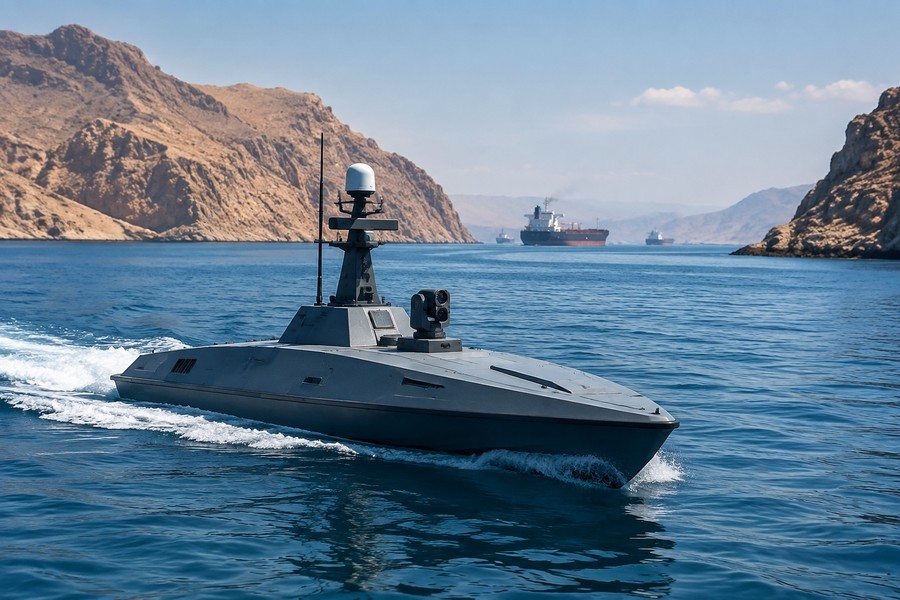
A fresh dispute has broken out in the Middle East after conflicting claims about a military clash in a vital waterway. Iran announced that its forces successfully hit an unmanned American military vessel. The incident allegedly took place as the drone boat was attempting to enter the Strait of Hormuz, a highly important channel for global trade. However, the United States military quickly rejected the claim, calling the statement an absolute falsehood.
This disagreement is the latest event in a series of hostile actions between the two nations. The situation has grown increasingly tense, with both sides trading military blows. Just one day before this disputed event, American forces launched strikes against three Iranian oil tankers. That action was taken in response to a previous missile attack aimed at American Navy warships in the region.
A History of the Ongoing Conflict
The current conflict began earlier this year following military strikes on Iran by American and Israeli forces. While a temporary ceasefire agreement was reached during the summer, the peace did not last. Sporadic fighting has continued as diplomatic negotiations fell apart. Both nations are now focused on causing military and economic damage to one another.
After about a month of relative quiet, active fighting started up again. The renewed clashes have focused heavily on the Strait of Hormuz and the communities along the Iranian coast. The violence has already led to casualties, including at least five people who lost their lives during an American bombing campaign in southern Iran.
Different Strategies in a High-Stakes Battle
The United States is using a two-part plan to handle the situation. This strategy involves:
- Military action: Responding directly to any physical threats or attacks in the shipping lanes.
- Financial pressure: Going after international banks and financial institutions that help Iran manage its money.
Despite these pressures, Iran's new leadership has shown that they are prepared to endure the hardship. The country has spent decades dealing with international trade bans and has developed ways to keep its economy moving. One major method is the use of a secret network of transport ships. This shadow fleet allows Iran to bypass blockades and deliver its oil to international buyers, bringing in much-needed money.
The Role of Nuclear Negotiations and Global Trade
At the heart of this conflict is Iran's nuclear program. This issue originally sparked the fighting and was supposed to be resolved through diplomatic talks. However, those discussions collapsed shortly after both sides signed a preliminary agreement in the summer. Now, several Western nations, including the United States, Britain, France, and Germany, want to bring Iran before a global security council for failing to meet its nuclear safety promises.
With diplomacy stalled, Iran is using its geographic position as leverage. The Strait of Hormuz is one of the most important waterways in the world for shipping oil and natural gas. Before the conflict, it was considered an open international passage. Now, it has become a central battleground as both sides struggle for control and influence.