
Representatives from the US in Pakistan for Discussions with Iran
US delegates are currently en route to Islamabad, Pakistan, to engage in talks with Iran, as announced by the US President. This development comes as the temporary two-week ceasefire between Iran and the US is nearing its end.
Update on the Current Situation
For those who are unaware, here are the latest developments in the Middle East conflict:
- The Foreign Minister of Turkey expressed that both the US and Iran are willing to continue negotiations to end the war, despite several unresolved disagreements.
- The President of Iran asserted that the US can't take away Iran's right to a nuclear program.
- Two soldiers from Israel were recently killed in southern Lebanon, which brings the death toll of their forces to at least 15 since the onset of the conflict.
- The President of Ukraine criticized the US's decision to temporarily lift sanctions against Russian oil, stating that each dollar paid for Russian oil funds the war against his country.
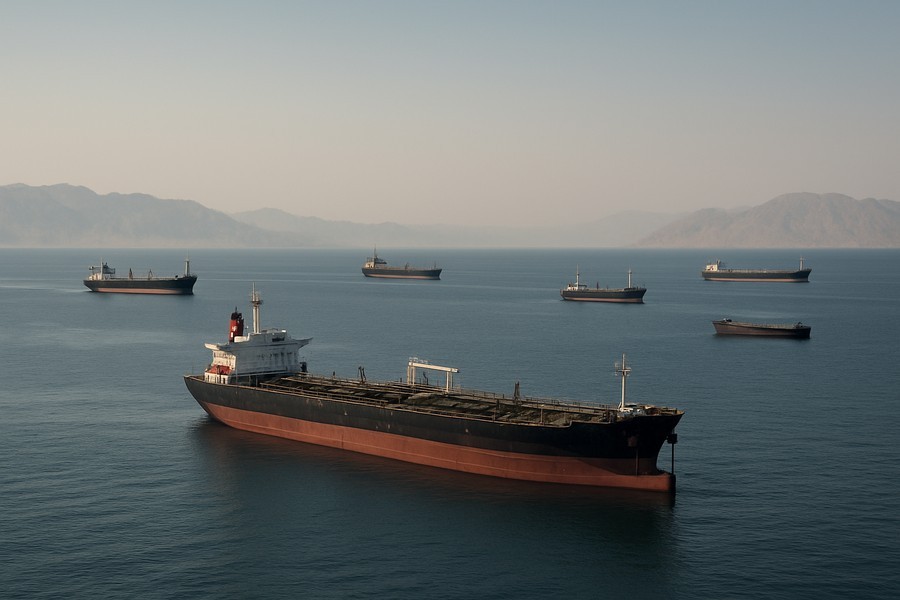
- Two tankers carrying liquid petroleum gas (LPG) from the Persian Gulf abruptly rerouted due to Iran effectively closing the Strait of Hormuz.
- Pope Leo made another plea for peace in the Middle East, encouraging leaders involved in the conflict to find a resolution.
US-Iran Talks and the Ceasefire Agreement
The US President accused Iran of violating the ceasefire agreement in the Strait of Hormuz. He added that the US has proposed a fair and reasonable deal, warning of consequences if negotiations fail. The current two-week ceasefire between the US and Iran is set to expire soon, and there are no confirmed plans for further talks between the two sides. The US is maintaining a blockade on ships using Iranian ports, and the President has cautioned that the ceasefire may not be extended.
The Strategic Importance of the Strait of Hormuz
The Strait of Hormuz has seen a significant decline in shipping traffic in recent days. Iran's chief negotiator stated that while progress has been made in the recent negotiations, several fundamental issues remain unresolved. The next few days are expected to be a crucial turning point in the six-week conflict.
Key Takeaways from the Negotiations
Mohammad Bagher Ghalibaf, who is leading the Iranian negotiation team, gave a detailed interview that seemed to be directed at both the political elite and the country's hardliners. Here are the key points:
- While some progress has been made in understanding each other better, both sides are still far from a final agreement.
- He cautioned that Iran would respond with strength to any small mistake made by the US.
- He argued that Iran has a strategic advantage over the US.
- He indicated to the US Vice President during the last round of negotiations in Pakistan that Iran had no trust in the US, suggesting that Washington needs to earn the trust of the Iranian people.
- He emphasized that the Strait of Hormuz is under the control of the Islamic Republic and publicly backed the new Supreme Leader.
Meanwhile, the US continues its negotiations with Iran as the temporary ceasefire nears its end. So far, the main points of contention in the negotiations are the fate of Iran's uranium stockpiles, restrictions on uranium enrichment, and reopening the Strait of Hormuz.
