
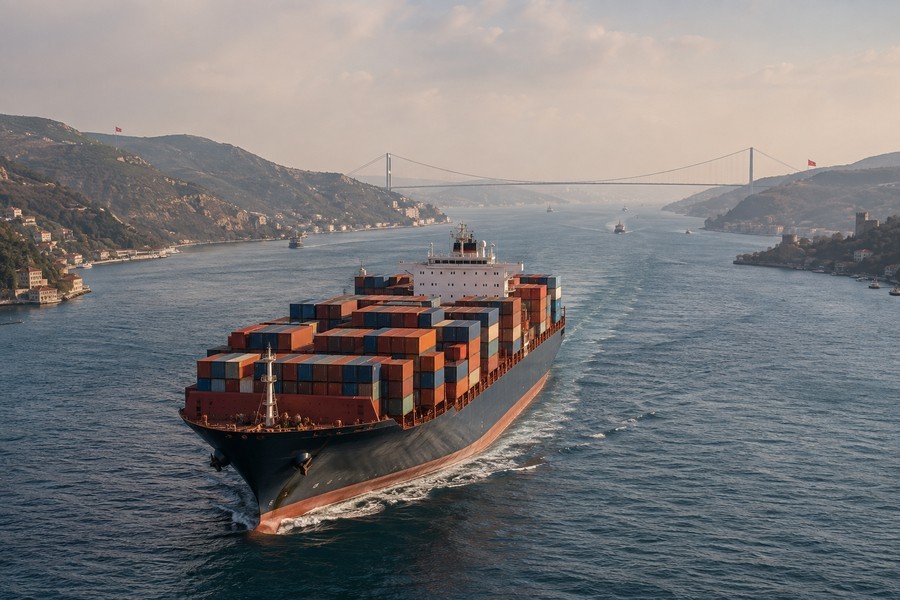
Tensions Rise in Middle East as Gaza Peace Plan is Rejected and Shipping Routes Face New Threats
The Middle East is facing a series of new challenges. Leaders are arguing over peace plans, vital shipping lanes are under threat, and sudden military attacks have raised fears of wider conflict.
Disagreement Over Gaza Peace Proposal
The leader of Israel has turned down a proposed peace plan for Gaza that was recently shared by the American president. Under the proposed 15-point plan, Israeli soldiers would leave Gaza once the group Hamas is completely disarmed.
However, the Israeli Prime Minister made it clear that his country will not pull its military out of Gaza until the armed group is truly disarmed. Currently, Israeli forces control more than half of the Gaza Strip. The area is home to about two million people and has suffered massive destruction.
The American government did not immediately comment on the rejection of the plan. Meanwhile, representatives from Hamas stated they want to stick to the agreed-upon path. They are calling on international peacemakers and the United States to put pressure on the Israeli Prime Minister. The Israeli leader is also dealing with political pressure at home as he prepares for upcoming elections. The current conflict began after a major attack on Israel, and a fragile peace agreement is currently keeping the fighting from escalating further.
Violent Attacks Threaten Shipping and Peace in Yemen
In Yemen, dangerous attacks are threatening to restart a major civil war. Armed rebels backed by Iran launched two attacks within a single day on a government-controlled port city named Mocha.
The rebels used explosive drones and ballistic missiles in these strikes. The local military was able to shoot down some of the incoming drones, but others got through. The attacks caused serious damage to the port's buildings, docks, and stored food supplies.
The consequences of these strikes have been severe:
- Loss of life: One of the attacks killed at least seven people, including four soldiers and three civilians.
- Injuries: At least 15 civilians were hurt in the explosions.
- Damage to infrastructure: Missiles landed near a television station and heavily damaged shipping facilities.
Mocha is an important port that was recently upgraded so ships could avoid another port controlled by the rebels. The rebels claimed they were targeting military bases and weapons depots.
In addition to the port attacks, the rebels sent a drone to strike an oil refinery in the nearby nation of Saudi Arabia. They claimed this was payback for Saudi drones flying over their territory. The Saudi government confirmed that a fire broke out at the refinery, though no one was hurt, and they did not state what caused the fire. These events could end a truce that had previously stopped the fighting in Yemen.
Leadership Changes in Iran
At the same time, Iran has made changes to its top security team. A new leader has been appointed to head the country's powerful national security council.
The new security chief, Mohsen Rezaei, previously served as a top military adviser to the country's Supreme Leader and was once a commander in the Revolutionary Guard. He is taking over the role from another official who was recently moved to a political adviser position. The previous permanent leader of the council was killed in an air strike earlier this year.
This leadership change comes at a time of high tension, as the new security chief recently declared that Iran will not allow unauthorized ships to pass through a highly important waterway.
The Battle Over a Vital Waterway
The waterway in question is the Strait of Hormuz, a narrow path that is crucial for global shipping. Iran's foreign minister explained that talks with the neighboring country of Oman about new shipping routes are almost finished. However, he warned that the waterway will not simply reopen to everyone.
Iran is demanding several actions from the United States before it will fully reopen the passage. These demands include:
- An end to threats and a permanent stop to conflicts involving Iran and its allies.
- Lifting the blockade on Iranian ports and removing American military forces from the region.
- Financial compensation for damages caused during the conflict, along with lifting economic sanctions and releasing frozen money.
The American president stated that the United States is only partially negotiating with Iran while keeping economic pressure on the nation. Iran's foreign minister noted that while messages are being passed back and forth through helpers, official negotiations cannot start again until the United States stops violating past agreements.
Currently, Iran and Oman are trying to finalize a temporary agreement. Under this potential deal, ships would enter the waterway near Iran and exit near Oman without having to pay any fees. This setup is meant to help bring back an older agreement between the United States and Iran. However, Iranian lawmakers have also approved a plan that would ban ships from hostile nations or any countries that have caused harm to Iran until those countries pay for the damage.