
New Pictures Offer a Sneak Peek at Upcoming Laptops—But Some Might Be Fake
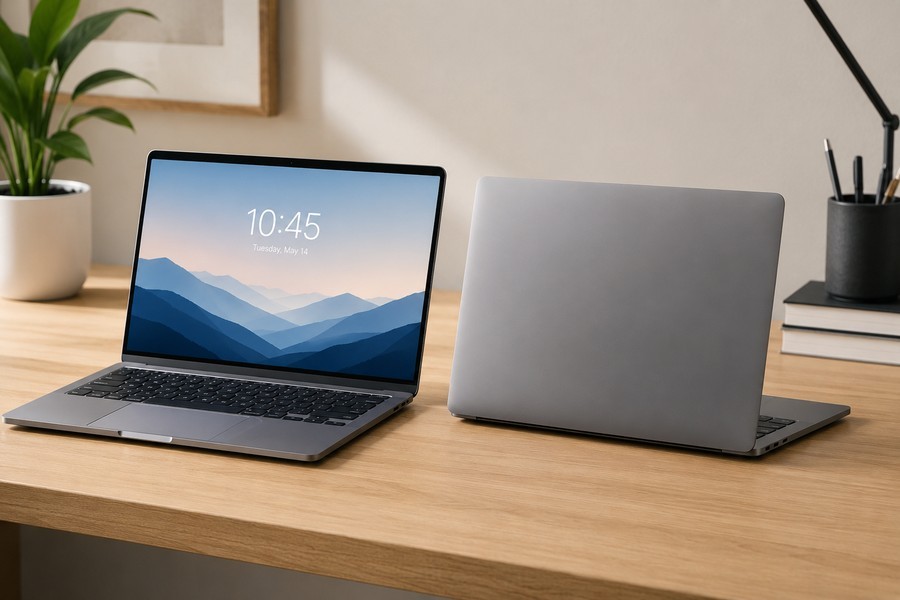
Computer fans are getting an early look at some highly anticipated portable computers set to arrive in stores later this year. These new devices, known as Googlebooks, run on a popular mobile operating system. They are designed to give users a fresh, lightweight choice for school, work, and entertainment. Recently, several images have appeared online, giving us a preview of what these new machines might look like. However, while some of these pictures look highly realistic, others have raised major questions about whether they are authentic.
As the launch window approaches, interest in these new devices is growing rapidly. Buyers are eager to see how different computer makers will design their own versions of these systems. Two major technology companies, Lenovo and ASUS, are at the center of the latest discoveries. However, the quality and reliability of the leaked images vary wildly between the two brands, leaving tech enthusiasts to sort fact from fiction.
A Clear View of the New 15-Inch Lenovo Model
The first set of images shows a brand-new 15-inch laptop created by Lenovo. This particular model has been mentioned in various rumors before, but the latest photos are exceptionally clear and detailed. These pictures give us an excellent look at the physical design of the device from multiple angles, helping us understand what the final product will feel like in hand.
A 15-inch screen is a popular size because it offers plenty of space for viewing documents and videos without being too heavy to carry around. By studying these high-quality images, we can learn a lot about what this laptop will offer. Here are some of the key design features visible in the photos:
- Modern screen hinges that allow the laptop to open and close smoothly while holding the display steady.
- Multiple input ports on the sides of the device, which will let users plug in accessories like chargers, headphones, and external storage drives.
- A clean, minimalist body that suggests the laptop will be thin and easy to slip into a backpack.
Because these photos are so sharp and consistent, they appear to be official marketing materials. They give a very accurate representation of what buyers can expect to see on store shelves in the near future.
The Mystery of the ASUS Laptop Images
While the Lenovo laptop looks ready for production, a second set of images has caused a lot of confusion in the tech community. This second batch of pictures supposedly shows an upcoming model from ASUS. At first glance, the collection seems impressive, featuring a large number of different angles of the computer.
However, anyone who looks closely at these photos will quickly notice that something is not right. Instead of being real photographs or official computer designs, these images show clear signs of being created by artificial intelligence. The closer you look, the more mistakes you can find in the basic details of the laptop.
How to Spot the AI Mistakes
Computer-generated images often have trouble with small, precise details. If you want to know how to spot a fake image, this set of pictures provides some perfect examples. Here are the main clues that prove these images are not real photographs from the manufacturer:
- Nonsense keyboard characters: Instead of showing normal letters, numbers, and symbols, the keys on the keyboard are covered in squiggly, meaningless shapes that do not match any real language.
- Glitchy status bars: The tiny icons at the top of the screen, which usually show things like battery life, time, or internet connection strength, look messy, deformed, and out of place.
- Distorted brand logos: The official brand names and product logos on the laptop body look blurry and have strange visual errors, which are common signs of computer generation.
These mistakes make it obvious that the pictures did not come directly from the design team. Instead, they were generated by a computer program that does not understand how a real laptop keyboard or logo should actually look.
Why Are These Images So Messy?
If these pictures are fake, why do they exist in the first place? There is a logical explanation for how these strange images were created. It is highly possible that someone started with real, official pictures of the laptop but wanted to change or improve them.
For example, the original photos might have been very small or blurry. Someone may have used an artificial intelligence tool to make the pictures larger and sharper, a process known as upscaling. When these tools try to "fill in the blanks" to make an image bigger, they often make mistakes with small details like text and logos. Alternatively, someone might have used AI to erase watermarks from the original images, which also results in strange visual errors. While these pictures might be based on the actual shape of the upcoming laptop, they cannot be trusted as official representations.
When Can We Expect the Real Devices?
Fortunately, technology fans will not have to wait too long to see the real computers. The first wave of these new laptops, which are powered by an operating system originally designed for mobile devices, is expected to launch this fall. Once they are officially released, we will finally get a true look at their designs, features, and performance without any computer-generated guesswork.