
Wildfires Unearth Hundreds of Dangerous World War II Bombs in European Village
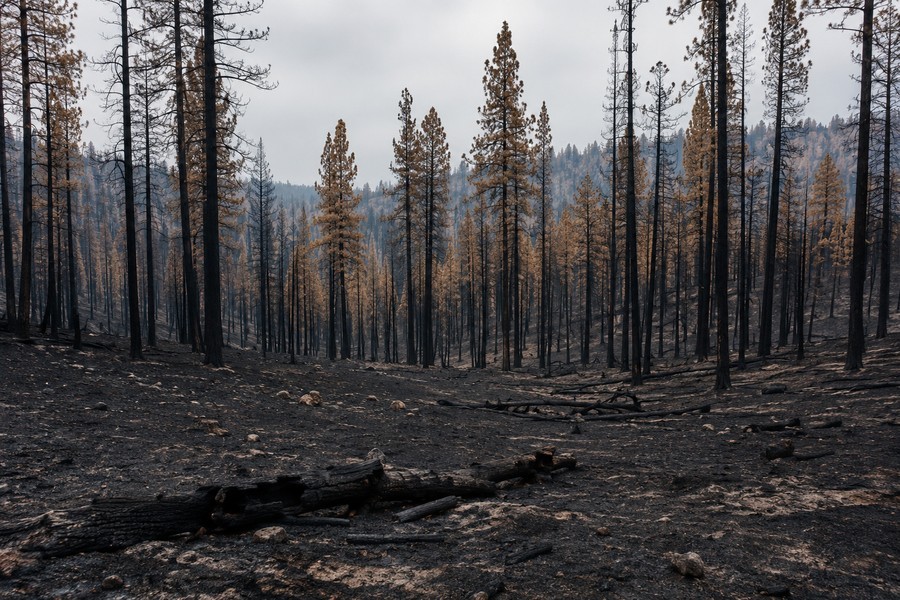
A small village in southwest France recently faced a double disaster. After surviving terrifying wildfires, returning residents discovered that the extreme heat had woken up a dangerous threat from the past: hundreds of unexploded bombs from World War II.
Loud blasts echoed near the community of Le Porge after intense fires swept through the region. When safety teams arrived to investigate, they uncovered a massive collection of old military weapons that had been hidden underground for decades.
A Hidden Threat Explodes in the Heat
The intense heat from the forest fires caused several deeply buried shells to detonate. These unexpected blasts alerted safety teams to the danger. A specialized bomb disposal unit quickly moved in to secure the area and clear the hazards.
During the cleanup operation, experts recovered more than 400 individual shells and weapons. The dangerous items were scattered across the area and included:
- French mortar shells
- German five-centimeter artillery shells
- Various other old military munitions
The head of the local bomb disposal unit, Philippe Delemotte, explained that these weapons were likely left behind in old demolition pits after World War War II ended. Because the old explosives could still go off and send deadly metal fragments flying hundreds of yards through the air, authorities quickly set up a safety zone to keep the public away while they worked.
Escaping the Flames and Returning to Ruin
Before the bombs were found, the village was already dealing with a major crisis. As the massive wildfires closed in, most of the 3,500 people living in the community had to flee their homes. Hundreds of firefighters worked day and night to battle the fast-moving and unpredictable flames.
The regional leader, Sophie Brocas, eventually allowed people to return to their neighborhoods after checking to make sure the areas were safe. While the nearby coastal fires are now under control, the damage is severe. Many families returned to find their homes completely destroyed. One resident described the scene as looking like the end of the world, noting that everything they owned, including their family pets, was lost to the flames.
The nation's president, Emmanuel Macron, stated that the current situation is the most severe on record, calling it the toughest crisis since World War II.
A Continent-Wide Heat Crisis
These intense fires are part of a much larger climate crisis affecting all of Europe. Extremely hot and dry weather has made wildfires larger and more destructive than ever before. In France alone, fires have destroyed over 617 square miles of land, marking the most severe fire season in the nation's history.
Other countries are also struggling with extreme weather:
- Greece and Italy are fighting their own major wildfires as dry conditions persist.
- Temperatures in Central and Eastern Europe are soaring up to 27 degrees Fahrenheit above normal.
- Historic droughts are causing major rivers to dry up across the continent.
Drying Rivers Reveal Lost Secrets
The extreme heat and lack of rain have shrunk European rivers to historically low levels. As the water disappears, it is revealing long-lost objects that have been underwater for generations. People have found ancient bones, century-old sunken ships, and even more wartime weapons.
In Hungary, the shrinking Danube River exposed several underwater bombs from World War II. The low water level is also causing serious energy problems. The country's main nuclear power plant, which relies on cool water from the Danube River to keep its reactors safe, came incredibly close to shutting down because the river was too low.
With temperatures in the Hungarian capital of Budapest forecast to hit 104 degrees Fahrenheit for three days in a row, Prime Minister Péter Magyar stated that the country may need to consider a different type of cooling system for the power plant in the future, rather than relying solely on the shrinking river.