
New Zealand’s Environmental Rules Are Changing. Here’s What Is at Stake
New Zealand is facing growing pressure on its land, water, coastlines and cities. Rivers and coastal areas remain polluted in some places, native species are declining, and air quality is poor for some communities. Greenhouse gas emissions also remain high compared with many other countries.
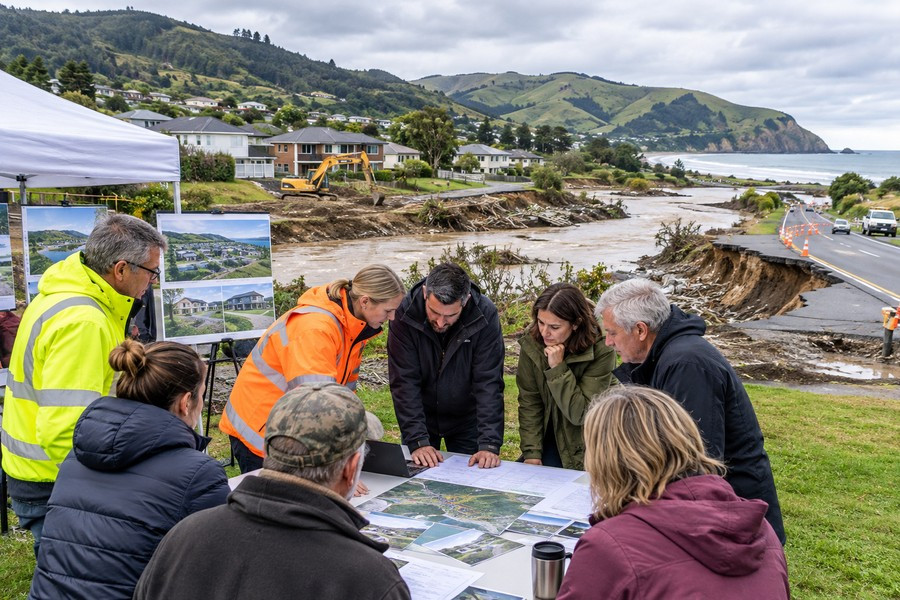
More severe weather has made these problems harder to ignore. Floods and landslides have damaged homes, roads and businesses. In some areas, forestry debris carried by storms has added to the destruction and increased cleanup costs for local residents.
At the same time, New Zealand needs more homes, roads, public facilities and economic activity. The country’s planning system is expected to support this growth while also protecting the environment. But the rules have changed often, leaving councils, businesses and communities unsure about what comes next.
A New Planning System
A former government passed laws intended to replace the Resource Management Act. A later coalition government repealed those laws and introduced two new pieces of legislation: a Planning Act and a Natural Environment Act.
The new system is designed to make construction and development easier. It is also meant to reduce delays, lower costs and improve environmental management. However, environmental groups have raised concerns that the changes could weaken protections for nature and increase risks for communities.
Although the new laws have been approved, many of their main provisions will be introduced gradually. A change in government could lead to another rewrite before the system is fully in place.
More Development, Fewer Immediate Limits
Several recent changes have placed greater emphasis on development. Freshwater rules are one example. Earlier court decisions called for stronger controls on pollution that runs from farms into rivers and streams. The government later changed the rules so activities with serious effects on water quality could continue if conditions were expected to improve over time.
The goal was to give farmers and councils more time to reduce pollution instead of requiring expensive changes right away. But the approach depends heavily on voluntary action and on nutrient models that may not always measure pollution accurately.
The government has also created a fast-track approval process for major projects. Supporters say the process will reduce unnecessary delays and end a system that can make development too difficult. In reality, most resource consent applications had already been approved each year over the previous decade.
The fast-track system has drawn criticism because it can cover housing subdivisions and projects that had previously been rejected. Critics worry that the process could allow developments with serious environmental effects to move forward more easily.
More Power for Central Government
The new resource management laws give ministers more authority to set or change environmental limits. This could create more consistent rules across the country, but it also creates uncertainty because a future government could change those limits.
Businesses and communities may find it easier to follow one national set of rules. At the same time, environmental protections could shift whenever political leadership changes. That could make long-term planning harder and increase pressure on ecosystems.
Responsibility for protecting marine biodiversity has also been moved away from some regional councils and placed more heavily within the Ministry for Primary Industries. This decision has raised concerns because the ministry has faced criticism over its handling of damage to ocean habitats.
Who Pays for Environmental Damage?
Environmental reforms also affect how cleanup and protection costs are divided among landowners, councils and communities.
In Tairāwhiti, steep and fragile land combined with plantation forestry has contributed to major damage during storms. The government has not agreed to fund proposed land-use changes that could reduce future landslides. Ministers have also asked councils to consider the cost of enforcing forestry rules on companies and company directors.
The damage in the region reflects land-use decisions made by several governments. Without major investment in changing how vulnerable land is used, local communities may continue to pay through flooding, landslides and damage to the natural environment.
The new Planning Act includes wider options for giving landowners relief from planning restrictions. In some cases, councils could be required to compensate owners when rules significantly limit what they can reasonably do with their land.
This differs from the older “polluter pays” approach. Under the new principle, landowners may not always be expected to carry the full cost of restrictions created to protect or restore waterways. Compensation could make environmental protection more expensive for councils.
Plans to limit council rate increases could make it even harder for local governments to pay for these responsibilities. Possible council mergers add another layer of uncertainty.
Questions About the Natural Environment Act
The Natural Environment Act encourages voluntary action plans in some cases where environmental limits have been exceeded or need to be restored. Some farming and primary-sector groups support the framework because they believe it will reduce unnecessary rules and consent costs.
Government analysis suggests fewer activities may need resource consent. However, that does not necessarily mean the system will be simple for landowners. For example, forestry operators may still need to prepare detailed documents explaining why a consent is not required.
The law also changes the way the natural environment is defined. The former system recognized the connection between people and nature, including duties to future generations. The new law leaves humans out of its formal definition of ecosystems.
Biodiversity protection remains one of the law’s goals. Its success will depend on several factors:
- The environmental limits ministers establish
- How strongly those limits are enforced
- The funding available to councils
- The willingness of landowners and industries to take action
Different Plans for the Future
The role of Te Tiriti o Waitangi in environmental decision-making has become one of the biggest political disagreements. The coalition government has sought to reduce its influence in some areas, including decisions about natural resources.
Many environmental researchers argue that Māori approaches provide important guidance. These approaches focus on the relationships among people, land and water. They can help restore damaged areas and strengthen communities facing climate change.
The parties have offered different ideas for the country’s environmental future:
- National has proposed loans of up to $300 million to help farmers build water-storage systems and would ban ring-net fishing in high-protection areas of the Hauraki Gulf.
- ACT wants to remove Te Mana o te Wai from resource consent decisions, which would reduce the priority given to freshwater health.
- The Greens support stronger environmental limits, greater protection for the Hauraki Gulf and an end to bottom trawling.
- Opportunity also wants to phase out bottom trawling, expand marine protected areas and manage fisheries based on the health of entire ecosystems.
- Labour would change rather than repeal the new resource management laws and restore agreements that support iwi involvement in environmental decisions.
A Choice About Long-Term Responsibility
The debate is about more than planning rules. It also concerns housing costs, climate risks, local government finances, farming, forestry and the protection of wildlife and waterways.
One Māori idea offers a clear way to view the choices: being good ancestors to the people who come next. New Zealand’s decisions will shape whether future communities inherit cleaner water, safer towns and healthier ecosystems, or face larger costs from damage that could have been prevented.