
Tensions Rise as Pakistan Strikes Back Amid Growing Violence
Before the recent air attacks in Afghanistan by the Pakistani military, the region had been plagued by relentless violence. A devastating suicide bomb attack took place in a Shia mosque in the nation's capital, claiming the lives of 36 worshippers and injuring 170 others.
A Series of Attacks
Soon after the mosque bombing, a vehicle packed with explosives was driven into a security post in Bajaur, a region in the northwestern province of Khyber Pakhtunkhwa. This attack resulted in the deaths of 11 soldiers and a child. The perpetrator, as identified by Pakistani officials, was an Afghan national.
Following this series of attacks, the Pakistani Ministry of Foreign Affairs responded by summoning the Afghan deputy head of mission in Islamabad. However, shortly after, another suicide bomber targeted a security convoy in Bannu, also in Khyber Pakhtunkhwa, killing two soldiers, including a high-ranking military official.
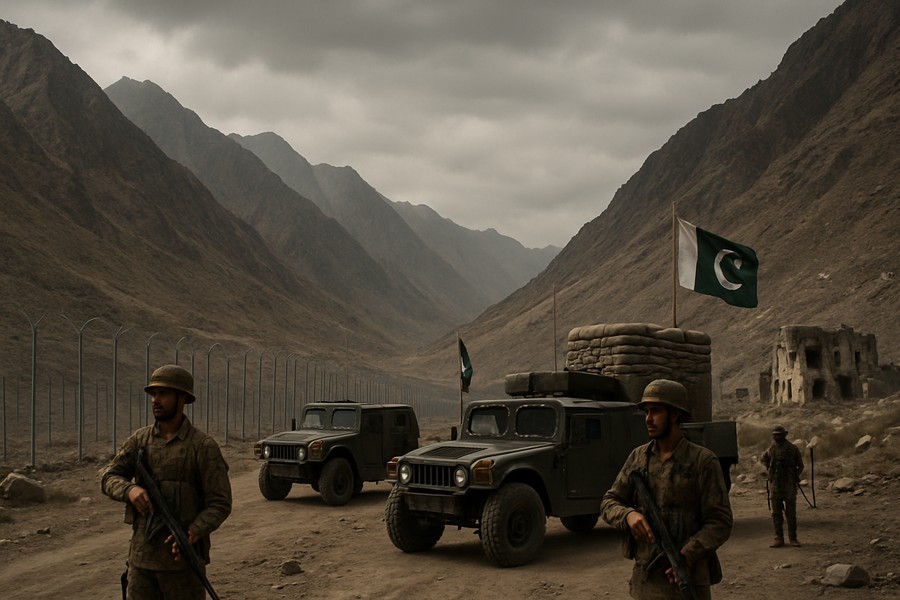
It appeared Pakistan had reached its limits, and early on the following Sunday, the military retaliated by launching attacks on what they claimed were "camps and hideouts" in Afghan border areas.
Details of the Retaliation
Pakistani authorities claimed that their air strikes in Nangarhar and Paktika provinces in Afghanistan were aimed at Pakistan Taliban sanctuaries, or TTP, and its affiliates. They reported that the strikes resulted in the deaths of at least "80 militants".
However, these claims were vehemently denied by the Afghan Ministry of Defence, which stated that the strikes had hit a religious school and residential homes, causing significant casualties, including women and children. They reported that at least 17 people were killed in Nangarhar alone and promised a "measured and appropriate response".
India Enters the Fray
India later condemned the Pakistani military action, expressing support for Afghanistan’s sovereignty and territorial integrity. They criticized Pakistan's actions for causing civilian casualties, especially during the holy month of Ramadan, and accused Pakistan of trying to shift the blame for its internal issues.
This statement from India highlighted the growing tension in Pakistan regarding India’s increasing involvement with Taliban-ruled Afghanistan. Pakistan has repeatedly accused both countries of being the source of its domestic security issues in recent months.
The Breaking Point
The Pakistani Ministry of Information and Broadcasting issued a statement saying it had "conclusive evidence" that the recent attacks on its soil were perpetrated by fighters and suicide bombers acting on the orders of their Afghanistan-based leadership. They claimed that they had repeatedly urged Kabul to take necessary action to prevent armed groups from using Afghan soil, but no significant action had followed.
The statement emphasized that while Pakistan has always worked towards maintaining regional peace and stability, the safety and security of its citizens remains its top priority.
Concerns and Consequences
Pakistan's attack broke a fragile ceasefire brokered after talks in late last year, following previous rounds of deadly border clashes. Despite these discussions failing to reach a formal peace agreement, the situation along the border had remained relatively calm until now.
The Taliban government in Afghanistan has consistently denied allegations that it supports armed groups attacking Pakistan. However, Pakistani officials have long warned that their patience was wearing thin and that necessary measures would be taken to protect the lives and property of the Pakistani people.
The TTP, which emerged in 2007, is distinct from the Afghan Taliban but shares deep ideological, social, and linguistic ties with the group. Pakistan accuses the Taliban of providing sanctuary to the TTP on Afghan soil, a claim that Kabul denies.
The Bigger Picture
One intriguing aspect of the crisis is not only who Pakistan targeted, but who responded. India, Pakistan’s nuclear-armed rival, condemned the air raids and highlighted civilian casualties in Afghanistan, while remaining silent on the attacks inside Pakistan that preceded them.
This response from India reinforced the perception in Islamabad that India and the Taliban authorities are becoming closer allies, which complicates Pakistan’s security situation. This shift has been increasingly evident over the past year, with several diplomatic visits and aid gestures from India to Afghanistan.
However, some experts believe that Pakistan's strategy needs to involve more than military pressure on the Taliban. They suggest it should work to build goodwill among Afghans and share actionable intelligence with allied countries to increase pressure on the Afghan Taliban to act against anti-Pakistan militant groups.
As tensions rise, Pakistani policymakers need clarity on how to address armed groups operating from Afghan soil. Despite the challenges, they are determined to prioritize the safety and security of their citizens, even if it means engaging in a difficult balancing act.