
Pope raises alarm over human rights and a spreading “zeal for war”

Administrator

Administrator
Staff member
Apr 20, 2025
1,465
317
83

Pope raises alarm over human rights and a spreading “zeal for war”

69610bdf2d7f6.jpg


World Leader Calls for Peace Amidst Rising Conflict

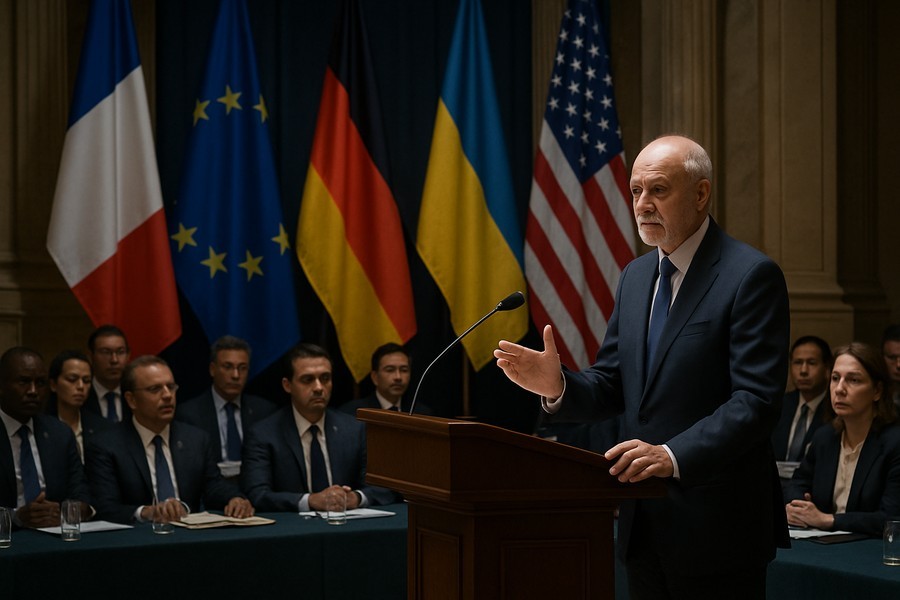
A global leader recently highlighted the resurgence of war and the diminishing value of peace in his profound speech to a diplomatic assembly. He fervently advocated for humility, open dialogue, and a strong commitment to global cooperation, expressing concern over the escalating tensions worldwide.

The respected figure warned that the fundamental principles of international coexistence are being eroded. He pointed out that dialogue-based diplomacy is giving way to power and deterrence, undermining the once firm rule that nations shall not use force to violate other countries' borders. This shift, he cautioned, poses a significant threat to the rule of law.

A Crucial Meeting for Global Diplomacy

The annual gathering between the leader and the ambassadors is a highly significant event in the diplomatic calendar. It's an opportunity for the revered leader to express his moral reading of international life, calling for responsibility, restraint, and renewal in the coming year.

He emphasized that diplomacy is about patient work of encounter, defending the vulnerable, and commitment to peace grounded in truth.

Concerns Over Peace and Law

The leader expressed his concern over the decline of the principle established post-World War II, which forbids nations from forcefully violating other countries' borders. He warned that peace is increasingly sought through weapons rather than justice, a mindset that seriously threatens the rule of law and peaceful coexistence.

Citing a renowned saint, he pointed out that even those who initiate wars ultimately yearn for peace, but not as a shared good, but as possession. He indicated that such a distortion of desire for peace led humanity into catastrophe in the past century.

Importance of Humanitarian Law

He underscored the significance of international humanitarian law, emphasizing that compliance should not be dependent on circumstances or military interests. He strongly condemned attacks on civilian infrastructure like hospitals and homes, underlining that the protection of human dignity is more important than any national interest.

Addressing Global Crises

Applying his moral framework, he discussed specific crises worldwide. He spoke about the ongoing conflict in Ukraine, the humanitarian crisis in the Holy Land, escalating tensions in the Caribbean Sea, and the crisis in Venezuela. He invoked the examples of two canonized saints as inspirations for building a society based on justice, truth, freedom, and fraternity.

Artificial Intelligence and Nuclear Threat

The leader warned that peace requires constant construction and vigilance, particularly among those with the greatest capacity for destruction. He highlighted the urgency of controlling nuclear arms and the ethical management of artificial intelligence.

Migration and Prisoners' Rights

Addressing the issue of migrants and prisoners, he emphasized their rights and dignity. He argued that every migrant is a person with inalienable rights that must be respected. He also insisted that prisoners' identities should not be reduced to their crimes, advocating for humane conditions and proportionate penalties.

Freedom of Speech and Religion

The leader defended freedom of conscience and religious freedom, noting increasing violations worldwide. He asked for full respect for Christians and all other religious communities, stressing the importance of dialogue and common roots.

The Right to Life and Family

He reaffirmed the right to life as the foundation of all other rights. He also addressed the challenges faced by families worldwide, categorically rejecting practices that exploit or deny the origin of life.

Peace and Forgiveness

In conclusion, the leader insisted that peace is a realistic goal, requiring humility and courage. He pointed to signs of hope in various peace agreements around the world, acknowledging these as seeds of peace that must be nurtured. He ended his discourse by wishing everyone a humble and peace-loving heart for the new year.

 
World Leader Calls for Peace Amidst Rising Conflict

A global leader recently highlighted the resurgence of war and the diminishing value of peace in his profound speech to a diplomatic assembly. He fervently advocated for humility, open dialogue, and a strong commitment to global cooperation, expressing concern over the escalating tensions worldwide.

The respected figure warned that the fundamental principles of international coexistence are being eroded. He pointed out that dialogue-based diplomacy is giving way to power and deterrence, undermining the once firm rule that nations shall not use force to violate other countries' borders. This shift, he cautioned, poses a significant threat to the rule of law.

A Crucial Meeting for Global Diplomacy

The annual gathering between the leader and the ambassadors is a highly significant event in the diplomatic calendar. It's an opportunity for the revered leader to express his moral reading of international life, calling for responsibility, restraint, and renewal in the coming year.

He emphasized that diplomacy is about patient work of encounter, defending the vulnerable, and commitment to peace grounded in truth.

Concerns Over Peace and Law

The leader expressed his concern over the decline of the principle established post-World War II, which forbids nations from forcefully violating other countries' borders. He warned that peace is increasingly sought through weapons rather than justice, a mindset that seriously threatens the rule of law and peaceful coexistence.

Citing a renowned saint, he pointed out that even those who initiate wars ultimately yearn for peace, but not as a shared good, but as possession. He indicated that such a distortion of desire for peace led humanity into catastrophe in the past century.

Importance of Humanitarian Law

He underscored the significance of international humanitarian law, emphasizing that compliance should not be dependent on circumstances or military interests. He strongly condemned attacks on civilian infrastructure like hospitals and homes, underlining that the protection of human dignity is more important than any national interest.

Addressing Global Crises

Applying his moral framework, he discussed specific crises worldwide. He spoke about the ongoing conflict in Ukraine, the humanitarian crisis in the Holy Land, escalating tensions in the Caribbean Sea, and the crisis in Venezuela. He invoked the examples of two canonized saints as inspirations for building a society based on justice, truth, freedom, and fraternity.

Artificial Intelligence and Nuclear Threat

The leader warned that peace requires constant construction and vigilance, particularly among those with the greatest capacity for destruction. He highlighted the urgency of controlling nuclear arms and the ethical management of artificial intelligence.

Migration and Prisoners' Rights

Addressing the issue of migrants and prisoners, he emphasized their rights and dignity. He argued that every migrant is a person with inalienable rights that must be respected. He also insisted that prisoners' identities should not be reduced to their crimes, advocating for humane conditions and proportionate penalties.

Freedom of Speech and Religion

The leader defended freedom of conscience and religious freedom, noting increasing violations worldwide. He asked for full respect for Christians and all other religious communities, stressing the importance of dialogue and common roots.

The Right to Life and Family

He reaffirmed the right to life as the foundation of all other rights. He also addressed the challenges faced by families worldwide, categorically rejecting practices that exploit or deny the origin of life.

Peace and Forgiveness

In conclusion, the leader insisted that peace is a realistic goal, requiring humility and courage. He pointed to signs of hope in various peace agreements around the world, acknowledging these as seeds of peace that must be nurtured. He ended his discourse by wishing everyone a humble and peace-loving heart for the new year.

The call for humility and renewed commitment to peace really struck a chord. It feels like we’ve forgotten the “patient work of encounter,” especially when so much of the world seems intent on flexing power instead of truly listening. His words about the rights of migrants and prisoners remind me that compassion should always be woven into policy. I do wonder
 
Citing a renowned saint, he pointed out that even those who initiate wars ultimately yearn for peace, but not as a shared good, but as possession. He indicated that such a distortion of desire for peace led humanity into catastrophe in the past century.

That idea that even those who start wars “yearn for peace” but see it as something to possess really gets at the heart of why things go so wrong. It’s almost like chasing control instead of genuine harmony. Makes me think of how often people confuse order for actual well-being, whether that’s on the world stage or in