
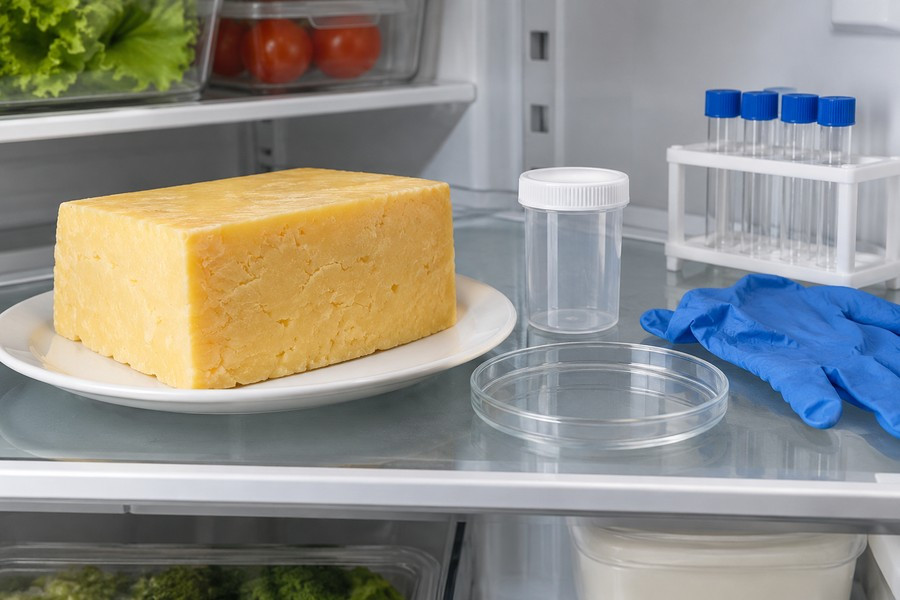
Raw Milk Cheddar Recalled Over Possible E. Coli Contamination
A dairy company based in New York has recalled one lot of raw milk cheddar cheese because the product may contain E. coli bacteria that can produce toxins. The cheese was sold in several states, including New York and New Jersey.
One Lot Is Included in the Recall
The recall affects a specific batch of Raw Milk Cheddar Cheese. Customers should check their refrigerators and freezers for the recalled product, especially if they bought raw milk cheese from stores in the affected areas.
The cheese may also have been sold in Pennsylvania, Connecticut, Maryland, Virginia, and Massachusetts. It may have reached additional states through distributors that moved the product to other retailers.
The recalled cheese has a printed best-by label that identifies the affected lot. No other products made by the dairy company are part of this recall.
Testing Found Two E. Coli Strains
The concern began after testing of cheese samples in Maryland found two strains of toxin-producing E. coli. The company then removed the affected batch from sale and warned stores and customers about the possible contamination.
There were no reported illnesses or allergic reactions linked to the cheese when the recall was announced. Even so, customers should not eat the product. Anyone who has the recalled cheese should throw it away or return it to the place of purchase for a refund.
Raw milk products are made with milk that has not been pasteurized. Pasteurization uses heat to kill many harmful germs. Because raw milk cheese does not receive that treatment, it can carry bacteria that may cause serious illness.
Symptoms of E. Coli Infection
E. coli infections may cause stomach and intestinal problems. Common symptoms can include:
- Diarrhea
- Severe stomach cramps
- Nausea
- Vomiting
- Fever
- Bloody stools
Many healthy adults recover within about a week. However, some infections can become much more serious, especially when the bacteria produce harmful toxins.
Children and Older Adults Face Greater Risk
In some cases, an E. coli infection can lead to hemolytic uremic syndrome, also called HUS. This condition can damage the kidneys and may cause kidney failure. In severe cases, it can be life-threatening.
Young children and older adults are more likely to develop HUS. People with weakened immune systems may also face a higher risk of serious complications.
Warning signs that may require urgent medical care include very little or no urine, unusual tiredness, pale skin, easy bruising, and blood in the urine. People who develop severe diarrhea, bloody stools, or signs of dehydration should contact a health care professional promptly.
What Consumers Should Do
Consumers who purchased raw milk cheddar should check the package and compare its lot information with the recall notice. Do not taste the cheese to decide whether it is safe. Food contaminated with E. coli may look, smell, and taste normal.
- Do not eat the recalled cheese.
- Keep it away from other food.
- Place it in a sealed bag before throwing it away.
- Wash hands, shelves, cutting boards, and containers that touched the product.
- Contact a health care professional if symptoms develop after eating the cheese.
The dairy company said protecting customers is its top priority. It is working to find out how the contamination occurred and plans to take steps to prevent a similar problem in the future.