
Extending the Vaccine Period Due to Continued Spread of Respiratory Virus
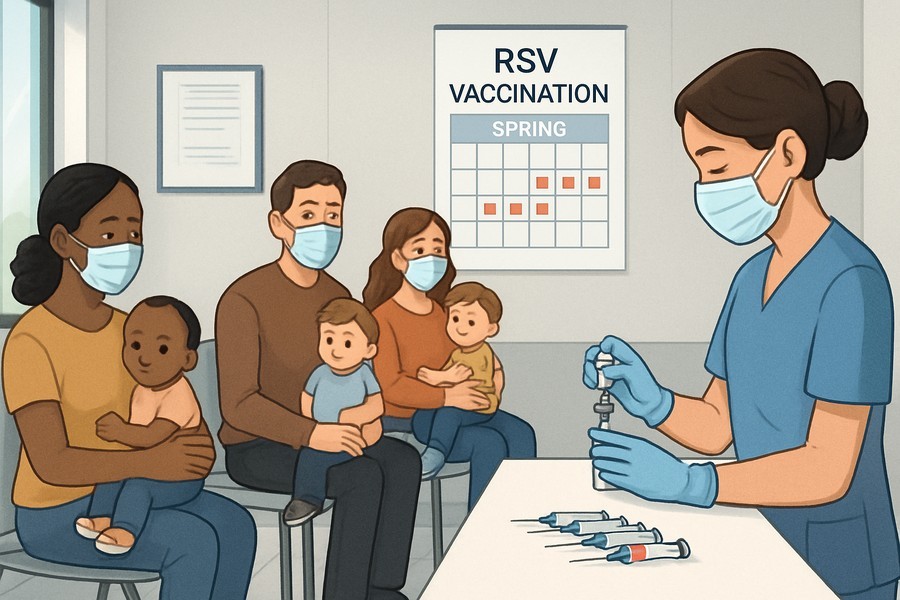
A respiratory virus known as RSV is spreading into the late spring. This unusual occurrence has prompted most regions to extend the period allowed for RSV vaccinations for eligible toddlers and infants.
RSV is a common virus that affects the respiratory system. While it often causes only mild illnesses like the common cold, it can lead to serious health conditions in young kids. RSV season typically starts in fall, hits its peak in winter, and lasts until spring. However, this year, the vaccination period has been extended until the end of April in nearly all regions, compared to the usual end in March.
Increased RSV Positivity Rates
In the third week of March, data showed that 7.5% of tests came back positive for RSV. This is a significant increase compared to the 5% positivity rate at the same time last year and even lower rates in the years before.
Dr. Susan Kansagra, a top medical officer, expressed that RSV peaked later than usual this year. She noted that many regions continue to see hospital visits and admissions due to the virus into the spring. As a result, health departments have been investigating their local data. Many recommend that healthcare providers continue administering monoclonal antibodies, which can significantly reduce the risk of hospitalization, into April.
RSV and Hospital Rates in Infants
Each year, two to three out of every 100 infants under 3 months old are hospitalized due to RSV in the United States. Thousands of children have already been hospitalized due to RSV this season. To protect infants and young children from infection, the use of monoclonal antibodies is recommended. Vaccines are also available during pregnancy. While these antibodies offer a more passive form of immunity than vaccines, they have been found to be effective. In fact, a study conducted last year found that hospitalization rates among infants up to seven months old were lower than in previous seasons when these immunizations were not available.
The Game-Changing Impact of Monoclonal Antibodies
Dr. Michelle Fiscus, a pediatrician and chief medical officer, considers the RSV immunizations to be game-changers. She believes that everything possible should be done to protect every baby from RSV disease. She emphasized the importance of public understanding of the need for RSV protection.
Recommendations and Investigations
This year, the US Department of Health and Human Services stated that its recommendations for RSV vaccinations remain unchanged despite a comprehensive overhaul of the childhood immunization schedule by the health authorities. Infants born to mothers who did not receive the vaccine should receive one dose of the antibody shot. However, health regulators have also initiated investigations into the RSV shots, despite their documented safety and efficacy.
Extended Immunization Across Regions
Nearly 50 jurisdictions have extended their RSV season until at least April 30. This extension allows regions to order vaccinations for an additional month. It also encourages healthcare providers to continue administering RSV vaccinations as the virus activity remains high. However, ten regions, including Florida, Hawaii, and Oregon, have year-round RSV seasons or epidemiological data that does not support the need to extend the immunization period.
Why has the RSV Season Shifted?
Experts are unsure why the RSV season has shifted this year. Environmental, biological, and behavioral factors could be involved. Variations in the timing of when people visit their doctors for immunization or changes in climate patterns affecting the time spent indoors could be influencing factors. Dr. Jennifer Nuzzo, an epidemiologist, emphasizes the need for plans to respond to these viruses to be tied to disease trends rather than a calendar. She stressed the importance of real-time surveillance to monitor diseases in communities and ensure that RSV antibodies are available for as long as the disease trends indicate the virus is circulating.
Impact of Extended Immunization Period
Dr. Fiscus believes that the extended immunization period could make a significant difference. With approximately 10,000 babies born each day, she stated that everything possible is being done to protect these babies. That's a significant amount of potential RSV disease and hospitalizations that can be avoided if RSV is still circulating.