
How the Brain Heals Itself After Serious Injury
For a long time, the scientific community believed that the adult brain had a very limited ability to repair its own protective networks. Once certain vital support cells were lost due to physical trauma or disease, it was assumed they were gone for good. However, new research has revealed a previously unknown healing process in the adult brain that challenges these old assumptions.
Using advanced imaging tools to look inside living brains over several weeks, scientists discovered a specialized group of cells that can rebuild damaged areas. This process shows that the brain is much more resilient and adaptable than previously thought.
The Star-Shaped Helpers of the Brain
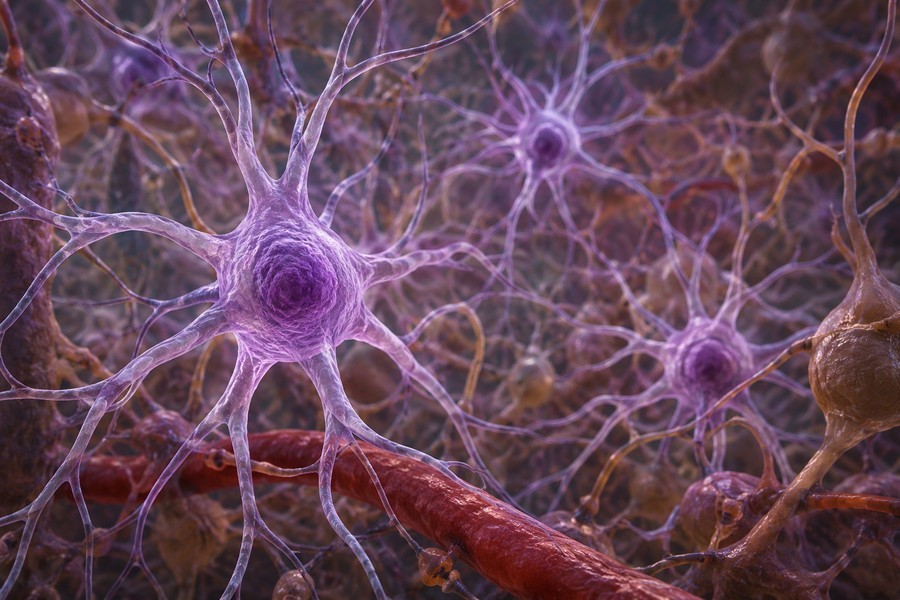
To understand how this repair process works, it is helpful to look at a specific type of brain cell called an astrocyte. Astrocytes get their name because they are shaped like tiny stars. They do not send electrical signals like nerve cells do, but they play a critical role in keeping the brain healthy and functional.
These star-shaped cells perform several key tasks:
- Nutrient Delivery: They supply nerve cells with the energy and food they need to work properly.
- Blood Flow Control: They help regulate how blood flows through the brain, ensuring active areas get enough oxygen.
- Chemical Balance: They clean up extra chemicals around nerve cells to maintain a safe environment.
Because nerve cells rely so heavily on these helpers, losing astrocytes can lead to severe brain damage. When these cells are destroyed by physical injuries or illnesses, the surrounding nerve cells are left without support and can quickly die off.
A Surprising Way to Rebuild
When astrocytes are lost in a specific area, the brain immediately goes to work to fix the gap. Previously, it was thought that the brain could not replace these cells in adults. However, new observations of living brain tissue have shown exactly how the repair happens.
Researchers identified a unique group of regenerative astrocytes that live right along the edge of the damaged area. Instead of dividing and moving their entire bodies into the empty space, these cells use a highly unusual method to patch the wound:
- The cells stay anchored at the border of the injured tissue.
- They stretch out their long, star-like arms deep into the damaged zone.
- Inside the main cell body, new cell centers, called nuclei, are created.
- These newly formed nuclei then glide along the inside of the stretched-out arms, traveling long distances to fill the empty space.
- Once the nuclei reach their destinations, they help establish a brand-new network of supportive cells.
This process of moving only the cell centers through long cellular pathways allows the brain to quickly rebuild its protective barrier without disrupting the existing cells at the border.
New Targets for Medical Treatments
This discovery could lead to new ways of treating people who have suffered from brain trauma or specific diseases. By mapping the genes that turn on and off during this healing process, scientists have found several temporary chemical signals that control the movement of these cell centers.
If doctors can find ways to trigger or speed up these signals using new medications, they might be able to help the brain heal faster. This could be incredibly beneficial for patients recovering from different types of brain damage, such as:
- Traumatic Brain Injuries: Damage caused by sudden impacts, such as car accidents, falls, or sports injuries.
- Autoimmune Diseases: Rare conditions where the body's own immune system mistakenly attacks and destroys astrocytes, leaving the brain's nerve cells unprotected.
While more research is needed to translate these findings into human therapies, this discovery provides a hopeful new path forward for neurological recovery. It proves that the adult brain has a hidden capacity to mend itself, offering a new blueprint for future medical treatments.