
Wild Coastal Storm Sparks Tornado Fears and Batters Local Beach Club
A sudden and violent storm swept across the coastline, leaving behind a trail of destruction and raising questions about whether a tornado actually touched down. The severe weather focused its fury on a popular seaside destination, tearing apart outdoor structures and leaving thousands of local residents without electricity.
Heavy Damage at a Waterfront Club
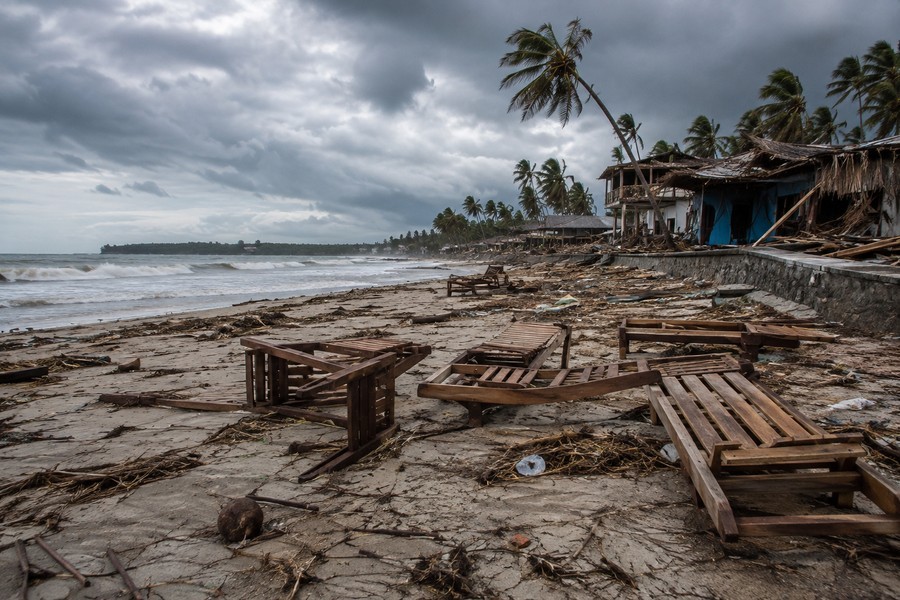
The storm hit a local beach club particularly hard. High winds ripped through the property, causing massive damage to the outdoor guest areas. More than 30 cabanas, which are small changing rooms used by visitors, were completely ruined. Over 100 people had been using these cabanas shortly before the storm hit, making the sudden destruction even more frightening.
Because the damage is so severe, it remains unclear when the beach club will be safe enough to open its doors to the public again. Clean-up crews have a massive job ahead of them as they work to clear away twisted metal, broken wood, and scattered personal belongings.
Scary Moments for Guests Inside
People who were inside the main building of the beach club during the storm described a terrifying experience. The sky grew dark, and the wind began to howl with incredible force. The wind was strong enough to shake the entire building, sending heavy outdoor furniture and debris flying through the air.
One club board member, Richard Accarino, shared how frightening the experience was for everyone on site. He explained that the noise of the wind was extremely loud and violent, making it clear that this was no ordinary storm.
The storm's immediate impact included:
- One minor injury: A person suffered a small head injury during the chaos but is expected to recover.
- Emergency searches: First responders quickly rushed to the scene to search through the wreckage and ensure no one was trapped under the collapsed structures.
- Widespread power outages: Around 2,000 homes and businesses lost electrical power during the height of the storm.
The Science Behind the Storm
Weather experts are currently looking closely at the data to figure out exactly what happened. The main focus of their investigation is on two spinning columns of air and water, known as waterspouts, that formed just off the coast.
A waterspout is essentially a tornado that forms over water. However, if a waterspout moves from the ocean onto the land, it officially becomes classified as a tornado. This transition can cause serious damage because the spinning winds hit buildings and trees directly.
The two suspected waterspouts came ashore during the early evening hours, specifically between 6:30 p.m. and 7:00 p.m.
Weather investigators are studying the differences between the two events:
- The first waterspout: This one hit land further west along the coast. Radar data suggests it was very short-lived and did not cause a major amount of damage before spinning out.
- The second waterspout: This one came ashore right near the damaged beach club. It appears to have stayed on land much longer, which explains why the destruction in this area was so much worse.
The Recovery Effort Begins
Local leaders and emergency workers are moving quickly to help the community recover. A local government official, Bruce Blakeman, scheduled an early morning meeting to give the public an update on the extent of the damage and the plans for restoring power and cleaning up the debris.
Utility crews worked through the night to repair downed power lines and restore electricity to the thousands of families left in the dark. Meanwhile, storm investigators are visiting the hardest-hit areas on foot to look at the physical damage on the ground. By comparing the broken trees and damaged buildings with radar images, they hope to confirm whether these storms were officially tornadoes.