
Building the Digital Future: Tech Industry and Skilled Trades Join Forces for Artificial Intelligence Boom
Artificial intelligence is growing faster than ever. While we often think of technology as existing only on our screens, it actually requires massive physical buildings to work. To keep up with this growth, a major technology company is teaming up with a massive coalition of construction unions. This partnership aims to find, train, and hire the thousands of skilled workers needed to build the physical backbone of modern technology.
The new agreement will connect skilled workers with massive construction projects across the United States. Through this program, the technology firm will gain direct access to a large network of training programs. At the same time, workers will get steady, high-paying jobs building advanced facilities.
Why Computer Technology Needs Construction Workers
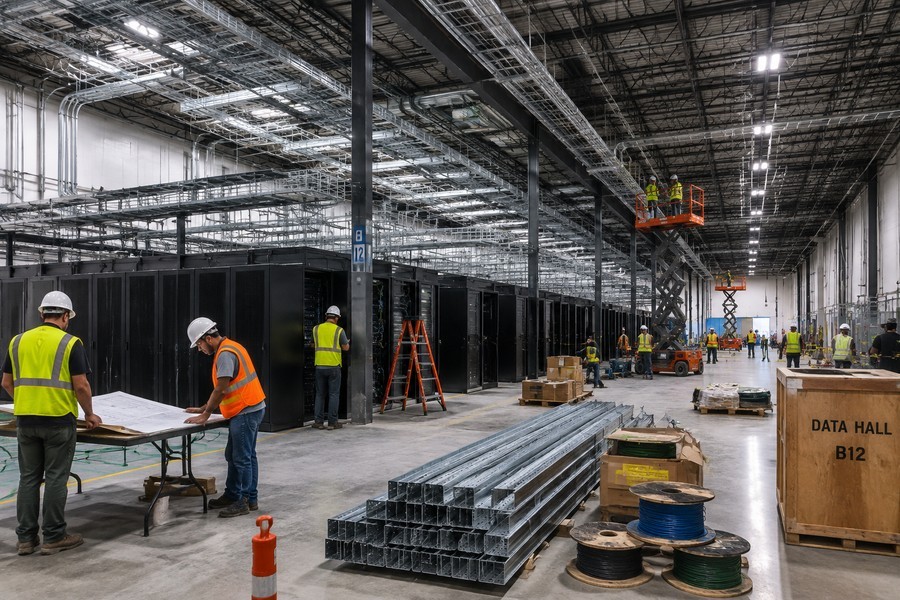
Many people do not realize that artificial intelligence requires a lot of physical space. Every time someone asks an AI a question, a powerful computer somewhere has to process that request. These computers are housed in giant buildings called data centers.
Building and running these data centers is a huge task. It requires a wide variety of skilled professionals. The demand for these workers has risen sharply as technology firms race to build more infrastructure. Some of the key jobs needed for these projects include:
- Heating, ventilation, and air conditioning (HVAC) technicians to keep the hot computers cool.
- Operating engineers to run heavy machinery during construction.
- Electricians to wire the massive power systems.
- General laborers to help build the structures from the ground up.
A Massive Training Network Ready to Grow
The union group involved in this partnership is one of the largest labor organizations in North America. It represents more than 3.2 million skilled workers across the United States and Canada. This group is made up of 14 different national and international unions.
To prepare workers for these highly technical jobs, the union group operates more than 1,900 training and apprenticeship schools. Together with their contracting partners, they spend more than $3 billion every single year on education and skill development.
Currently, there are about 300,000 people learning trades through these official apprenticeship programs. However, leaders of the labor group state that they can easily increase this number to 1 million students if the demand for tech construction continues to rise.
Jobs That Last for the Long Term
One of the best parts of this partnership is that these jobs are not temporary. Many construction projects end once the building is finished, leaving workers to look for new employment. However, high-tech data centers are different.
Because technology changes so quickly, these facilities must be updated constantly. Computers need to be replaced, cooling systems must be improved, and power grids need regular maintenance. This means that once a data center is built, skilled tradespeople will still be needed to keep it running smoothly for years to come.
Investing in Local Communities
This new labor agreement is part of a larger effort to support local communities where these giant facilities are built. The technology company has already created community funds that help support local schools, first responders, and clean energy projects.
By hiring local union workers and investing in training, the technology firm hopes to leave a positive, lasting impact on local economies. Leaders from both the tech industry and the labor unions believe that this collaboration is a vital step toward keeping the nation at the forefront of global technological development.