
Crews Hold the Line Against Three Major Wildfires in the Spokane Area
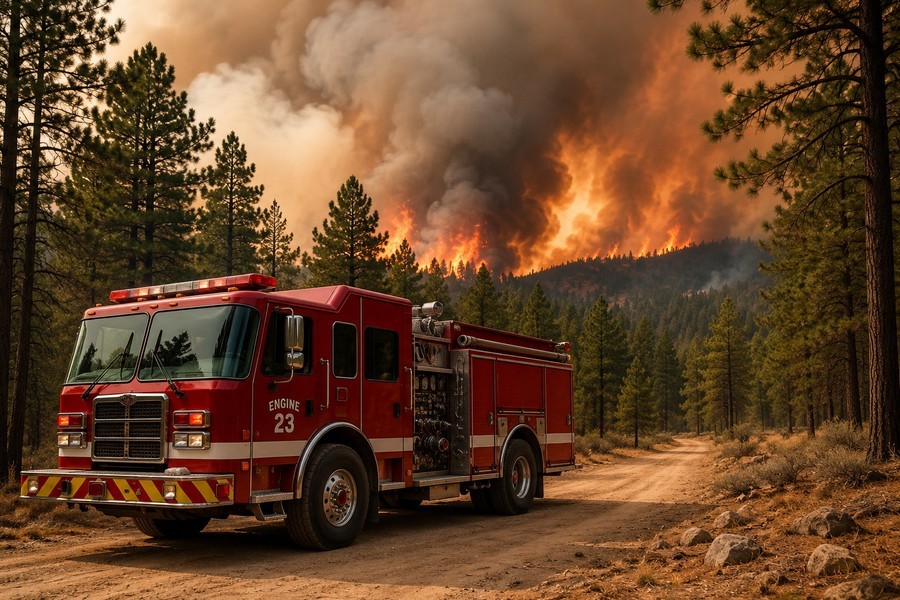
Emergency crews are working hard to stop three large wildfires burning in Spokane and Stevens counties. Despite facing very dangerous weather conditions, firefighters successfully kept the flames from spreading further. The three blazes, known as the Old Trails Fire, the Fairview Fire, and the Autumn Lane Fire, have not grown in size recently.
Together, these three fires have burned a total of 10,332 acres since they first ignited in early August. Officials are still looking into what caused the fires to start. However, a court judge recently set a $2 million bond for a man who has been accused of starting the Old Trails Fire on purpose.
The impact on local neighborhoods has been severe. An estimated 921 homes and other buildings have been damaged or destroyed by the flames. Firefighters are doing everything they can to protect the remaining properties and secure the edges of the fires.
Progress on the Ground
Firefighters have made steady progress in surrounding the fires and preventing them from spreading. To do this, they build containment lines, which are barriers made by clearing away plants, trees, and other materials that could burn. So far, crews have built more than 75 miles of containment lines across the three fire zones.
The current containment levels for each individual fire are:
- The Autumn Lane Fire is 47% contained.
- The Old Trails Fire is 43% contained.
- The Fairview Fire is 31% contained.
While building these lines is a huge step, the work does not stop there. Firefighters are also searching through burned areas close to homes. They are looking for hidden pockets of heat and putting them out. This process helps make sure that a sudden gust of wind does not blow hot embers onto a house and start a new fire.
In addition to fighting these three large blazes, emergency crews are staying alert for new fire outbreaks. Recently, firefighters quickly responded to two brand-new fires in the area. Working alongside local emergency teams, they were able to put out both of those new fires before they could grow out of control.
Using Special Tools to Fight the Flames
At the Fairview Fire, crews are using a highly specialized piece of equipment to tackle a particularly tough problem. A deep-seated fire is burning inside large piles of material at a local recycling facility. Because these piles are very thick, normal fire trucks cannot easily put out the heat deep inside them.
To solve this, crews brought in a powerful machine called a Firetrol MXOne monitor. This device can spray water at an incredible rate of 2,000 gallons per minute. This is much more water than standard fire equipment can spray. Putting out this specific fire is extremely important because the burning recycling piles are located right along the main fire control line. If the heat is not completely put out, the fire could cross the line and start spreading again.
Dangerous Weather Conditions
The battle against the fires has been made much harder by a red flag warning. A red flag warning is issued when the weather becomes very dry and windy, creating the perfect conditions for wildfires to spread quickly. This warning remained in place through the late evening hours of the second day of intense weather.
During this time, the air was extremely dry, and steady winds blew at speeds of 10 to 15 miles per hour. Even worse, sudden wind gusts reached up to 25 miles per hour. These gusts can easily carry sparks and start new fires. Fortunately, weather conditions are expected to improve. A cold front is moving into the area, which will bring cooler temperatures, more moisture in the air, and calmer winds.
Hazards and Safety Warnings
Even in areas where the flames have gone out, many dangers remain. Some neighborhoods are still under Level 3 "Go Now" evacuation orders, meaning residents must leave immediately for their own safety. In these zones, hazardous materials experts are checking the area to make sure it is safe from toxic chemicals or other dangers.
Other serious hazards in the burned areas include:
- Weakened trees that could fall over without warning.
- Deep ash pits, which are holes filled with hot ash that can severely burn anyone who steps into them.
- Hidden hot spots that can flare up suddenly.
To keep everyone safe, officials have put a temporary flight restriction over the entire fire area. This means no private airplanes or helicopters are allowed to fly nearby. It also means that flying recreational drones is strictly banned. Drones can get in the way of firefighting helicopters and airplanes, forcing them to stop flying and leaving ground crews without help from above. Fortunately, no illegal drone flights were seen over the fire zone during a recent 24-hour period.