
Can the United States Claim Ownership of a Vital Middle East Waterway?
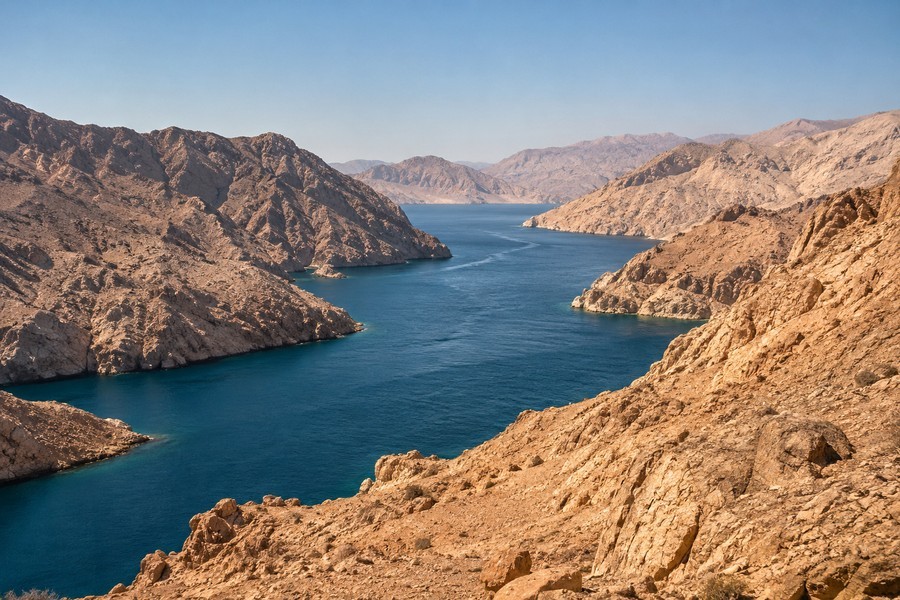
A major disagreement has flared up over one of the most important waterways in the world. The American president recently suggested that the United States would soon declare the Strait of Hormuz as its own territory. This narrow passage of water is incredibly important to the global economy because one-fifth of the world's oil and natural gas travels through it.
This bold statement comes during a tense standoff. While the American military maintains a naval blockade in the area, Iranian leaders have quickly dismissed the idea of an American takeover, calling the claims meaningless. The situation remains highly volatile as previous agreements between the nations reach their expiration.
Understanding the Dispute Over the Waterway
During a speech to police officers in New York, the president argued that the military blockade already gives the United States practical control over the area. He stated that no ships can pass through the waters unless the American military allows them to. Because of this control, he claimed the area is essentially already American territory and that a formal declaration would happen soon.
However, the situation on the water is complicated. Even with the military presence, some cargo ships have still managed to travel through the passage. Iranian officials have reacted with anger to the statements. They argue that the waterway belongs to their region and cannot be claimed through speeches, social media posts, or military threats.
Currently, a tense situation exists on both sides:
- The American Navy is keeping a blockade around ports to pressure the opposing economy.
- Opposing forces have tried to block the passage to disrupt the global economy and gain leverage.
- A temporary agreement signed by both sides is set to expire, adding to the urgency of the situation.
Is It Legally Possible to Take Over the Strait?
Legal experts point out that a president cannot simply declare a foreign area to be American territory. Under the United States Constitution, acquiring new land requires specific legal steps. Historically, the nation has gained territory through treaties approved by the Senate or through official laws passed by Congress. Famous examples of this include:
- The purchase of the Louisiana Territory
- The annexation of Hawaii
- The acquisition of the Panama Canal
Without these official processes, trying to take over the waterway would be considered a violation of international law. To have any real claim of control under global rules, the United States would need to physically occupy and control the surrounding coastal areas, which is not the case.
The physical geography of the region also makes a legal claim highly unlikely. International rules of the sea state that a country's control only extends 12 nautical miles from its coast. The Strait of Hormuz is very narrow—only about 21 miles wide at its tightest point. This means the waters of the neighboring countries overlap, leaving no room for an outside nation to claim the space. While the key countries involved have not formally signed the main international treaty on ocean laws, these rules are still widely accepted as the standard for global shipping.
Problems at Home and High Gas Prices
The ongoing conflict is also causing challenges within the United States. Public support for the military action is quite low, with only about 35 percent of Americans approving of the conflict. This is a major concern for politicians with important government elections approaching in the fall.
Additionally, everyday Americans are feeling the impact of the tension at the gas pump. Gas prices have risen to over four dollars a gallon on average across the country. The administration has stated that lowering these fuel costs for American families is currently the top priority, even ahead of stopping foreign nuclear programs.
At the same time, military resources are being stretched thin. Reports show that the military is running low on certain types of ammunition, including key missiles used for defense. Meanwhile, attacks on neighboring countries in the region have increased, which experts believe is an attempt to force negotiations.
What Lies Ahead for the Region?
While the war of words continues, diplomatic efforts are happening behind the scenes. Local leaders have been talking with neighboring countries to find a way to manage ship traffic. Some officials have indicated that they might be close to an agreement on how to run the waterway.
However, actually reopening the passage to normal traffic is a different issue. Opposing leaders are demanding that the United States lift its naval blockade and stop economic sanctions before the waterway can fully open.
Many political observers believe the president's comments are meant more to show strength to his domestic supporters rather than to announce a real military plan. While the statements show a refusal to back down, actually turning the Strait of Hormuz into a U.S. territory remains physically and legally impossible.