
High-Tech Laser System Neutralizes Intruding Border Drones
In a recent nighttime operation, the military successfully used an advanced laser weapon to bring down three unmanned aerial vehicles along the boundary between the United States and Mexico. The aircraft, commonly known as drones, were operated by drug trafficking organizations.
The defensive action marks a significant moment in the ongoing effort to secure the border. It highlights how modern technology is being deployed to counter new types of security threats in the region.
Details of the Overnight Interception
The incident occurred during the late-night and early-morning hours. Defense forces utilized a specialized military tool known as a high-energy laser system to disable the three targets. The operation was carried out by a specialized joint task force that coordinates security operations in the border region.
The exact location of the shootdown and the specific trafficking groups involved remain undisclosed due to operational security. However, the defensive action required close coordination with various law enforcement partners working along the boundary line. The decision to bring down the aircraft was made because they were classified as hostile threats. The drones were flying in a manner that posed a direct physical danger to security personnel and border patrol agents working on the ground.
Military leaders emphasize that unauthorized surveillance will not be tolerated. By integrating directed-energy weapons alongside traditional defense methods, security forces aim to prevent hostile aerial spying on law enforcement personnel.
How Cartels Utilize Aerial Technology
Trafficking organizations have increasingly turned to consumer and commercial technology to assist in their illegal operations. These groups deploy unmanned aircraft for several specific purposes:
- Spies in the Sky: Drones allow operators to monitor the movements of law enforcement and military patrols in real-time, helping smugglers find open pathways.
- Smuggling Assistance: Aerial surveillance helps coordinate the illegal movement of people and illicit goods across the border by identifying gaps in ground patrols.
- Rivalry and Conflict: While these groups primarily use drones for spying near the border, they have also deployed weaponized drones against rival groups within their own home country. They have not yet used weaponized drones inside American borders.
The use of these aerial devices has changed the dynamics of border security, forcing defensive forces to adopt new countermeasures to protect both personnel and the integrity of the border.
Previous Incidents and Safety Challenges
This recent drone shootdown is not the first time high-tech laser systems have been active in the region. Earlier this year, a series of incidents highlighted the challenges of testing and deploying these powerful defense tools.
In one instance, a military laser system accidentally brought down an domestic border patrol drone during an operation in southwest Texas. The accident raised questions about coordination between different agencies operating in the same airspace.
Around the same time, federal aviation regulators briefly closed the commercial airspace near a major border city. The temporary shutdown was caused by a safety disagreement between aviation officials and defense planners regarding military tests involving high-energy laser systems near a local military installation. Aviation and transportation agencies worked quickly to resolve the safety concerns and address the potential threat posed by unauthorized drone incursions.
The Role of the Joint Task Force
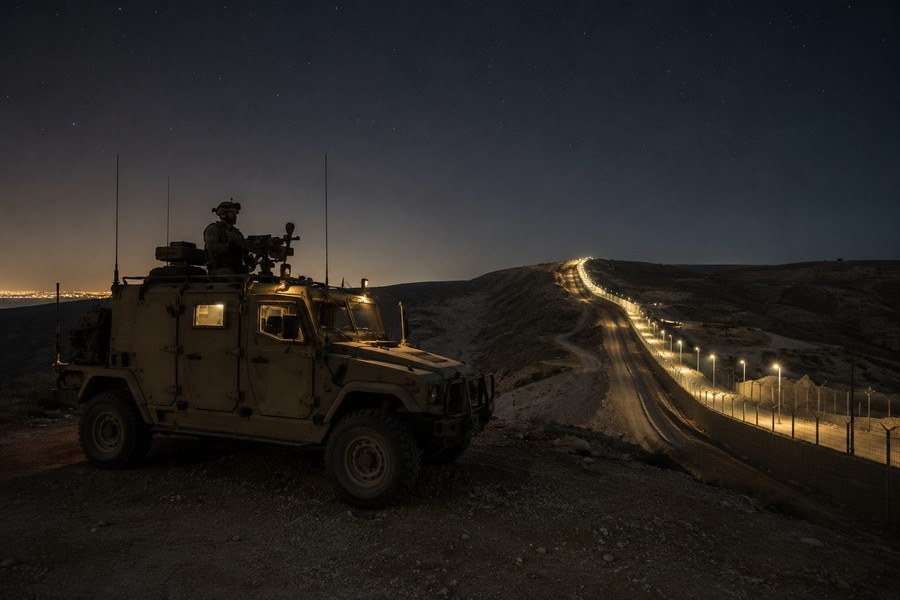
The unit responsible for the recent shootdown is part of a larger military command dedicated to homeland defense. This joint task force consists of approximately 8,000 service members deployed to the southern border.
The task force was established the previous year to assist civilian law enforcement with border security initiatives. Their mission includes:
- Providing aerial and ground surveillance support.
- Detecting and tracking illegal border crossings.
- Deploying advanced technology, such as directed-energy systems, to protect ground forces from modern aerial threats.
As technology continues to evolve, the tools used to secure the border are changing as well. The successful deployment of a laser system to neutralize unauthorized drones represents a new phase in border defense, where electronic and directed-energy systems play a vital role in everyday security operations.