
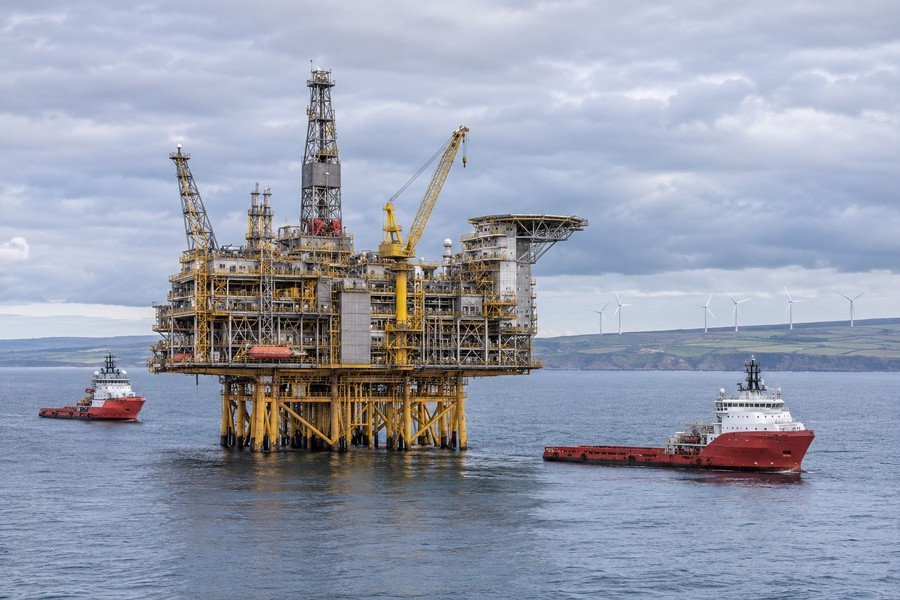
UK Approves Scottish Offshore Gas Project Despite Climate Concerns
The United Kingdom has approved a natural gas project in the North Sea, off Scotland, despite objections from environmental groups. The government says the project will add to the country’s energy supply while Britain moves toward renewable and nuclear power.
The Jackdaw gas field lies east of Aberdeen. Gas from the field is expected to enter Britain’s distribution network this winter. The project had been held up after a court found that an earlier approval did not fully account for the carbon pollution caused when the gas would be burned.
The government says gas from Jackdaw will make a small but meaningful contribution to energy security. It estimates that the field could provide about 5% of the country’s gas production over the project’s 11-year life.
Officials also acknowledge the limits of that supply. Jackdaw will not end Britain’s need to import gas, and it is not expected to lower household or business energy bills. Gas prices are shaped by international markets, so adding a local source does not control the price customers pay.
Supporters Point to Energy Security
People who support new oil and gas projects say Britain will still need these fuels to heat homes and power industry during the shift to cleaner energy. They argue that using gas produced at home is preferable to relying on supplies from other countries, especially when conflict threatens energy routes and markets.
The government says Jackdaw could help reduce the use of imported fuels with higher emissions this winter. Energy Minister Miatta Fahnbulleh said the approval supports energy security while the country continues its move toward renewable and nuclear power.
The project is being developed by Adura, a joint venture involving energy companies based in the United Kingdom and Norway. Its chief executive, Neil McCulloch, said the decision was urgent because the field is ready to begin production this winter.
Environmental Groups Warn of Climate Costs
Environmental campaigners and some members of the governing Labour Party oppose the project. They say approving more fossil fuel production conflicts with efforts to cut greenhouse gas pollution and address climate change.
Critics argue that the gas would add carbon emissions without bringing enough public benefit. They also say the project could weaken the United Kingdom’s climate commitments while doing little to reduce energy costs or support broader economic growth.
The government says it remains committed to reaching net-zero carbon emissions by 2050. It has also pledged to stop approving new oil and gas licenses. Critics question how those promises fit with allowing Jackdaw to proceed.
Court Ruling Led to a New Review
A previous government had approved Jackdaw, but legal challenges paused the project. A court in Edinburgh ruled that approvals for Jackdaw and another offshore development, Rosebank, were unlawful because the government had not considered emissions from burning the fuels when it reviewed the projects’ environmental effects.
After a further review, Fahnbulleh approved Jackdaw. The decision addresses the legal issue raised by the court, but it has not ended the wider argument over whether new offshore gas production can be part of Britain’s energy plans.
Rosebank Decision Still Pending
Rosebank is located west of the Shetland Islands and is expected to produce mainly crude oil. The government has not yet decided whether it can go ahead.
Rosebank is not expected to begin production until next year, giving officials more time to review it than they had with Jackdaw. Adura is also developing Rosebank. McCulloch said the company expects the government to approve it and plans to continue work on the field while awaiting a decision.
The two projects have drawn debate in Britain and abroad. Supporters see local production as a way to strengthen energy supplies during the transition to cleaner power. Opponents say the climate costs outweigh the limited gains, particularly when neither project is expected to lower energy prices or remove the need for imports.