
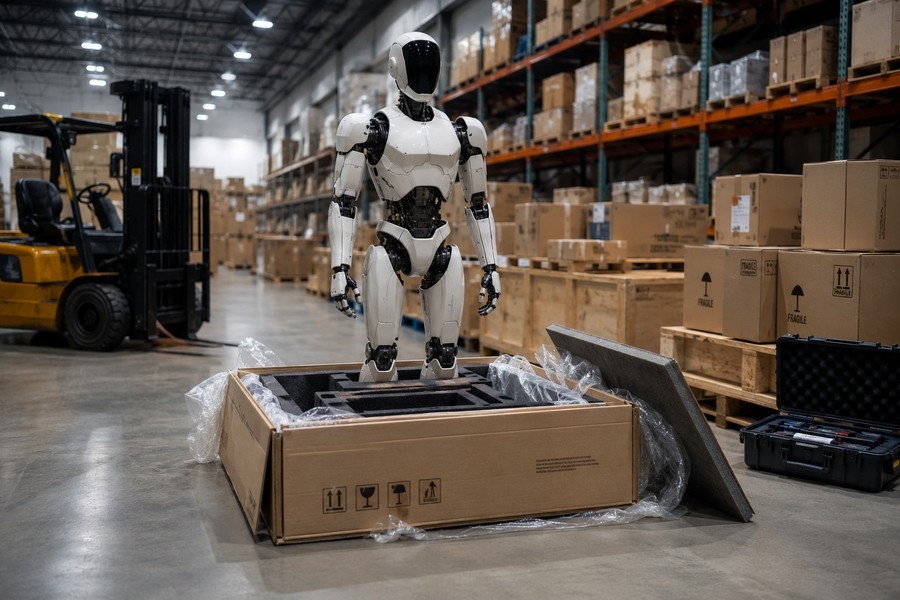
New United States Rules Ban Imports of Chinese Robots and Energy Equipment
United States regulators have announced a new ban on importing humanoid robots and certain energy equipment from China. The decision, which aims to protect national security, stops new models of these high-tech machines from entering the country. Officials are concerned about potential hacking risks and the safety of local supply chains. This decision is expected to create new tensions between leaders in Washington and Beijing.
Understanding the New Import Restrictions
The new rules target two main types of technology: advanced robots and power inverters. Government officials believe that relying on Chinese-made technology for critical infrastructure poses a serious threat. Here is a breakdown of the specific items affected by the ban:
- Humanoid Robots: These are robots designed to look and move like humans. They are increasingly used in factories, warehouses, and laboratory settings.
- Four-Legged Robots: Often called robotic dogs, these devices are used for inspection, security, and search-and-rescue missions.
- Power Inverters: These are electronic devices that change direct current (DC) electricity into alternating current (AC) electricity. They are essential for solar energy systems, large data centers, and everyday home appliances.
The Rapid Rise of Chinese Robotics
The ban comes at a time when Chinese manufacturers dominate the global robotics market. Currently, Chinese builders control about 85 percent of the global market for humanlike robots. These companies have been able to build robots quickly and at a much lower cost than developers in the United States.
To put this into perspective, out of approximately 15,000 humanoid robots shipped worldwide in a single recent year, two major Chinese manufacturers shipped more than 5,000 units each. In comparison, the leading United States technology and car manufacturers shipped only a few hundred units combined. This massive difference in production has made it difficult for American companies to compete on price.
Financial analysts believe the new rules will help shield United States robotic developers from cheap foreign competition. However, experts also note that the ban is unlikely to slow down China's overall progress in robotics. Chinese companies still have a massive domestic market and can easily sell their products to other countries around the world. The Chinese market for these advanced machines is expected to grow to billions of dollars by the end of the decade.
How the Power Inverter Ban Affects Energy
While robots grab most of the attention, the ban on power inverters could have a wider impact on daily life. Because these devices are used in green energy systems and data centers, some builders worried about delays in new projects.
Fortunately, experts say the immediate impact on United States energy markets should be limited. The new rules only apply to brand-new models of power inverters. This means that existing equipment already in use can stay in place. Additionally, Chinese companies can still sell older models that received official approval before the ban was put in place. This exception should help keep current solar installations and power grids running smoothly without sudden interruptions.
Rising Trade Tensions and Diplomatic Talks
This latest action is part of a larger, ongoing effort by the United States to limit Chinese technology imports. Over the past few years, government leaders have placed restrictions on Chinese-made drones and limited the shipment of advanced American computer chips to China. Regulators are also looking into restricting the use of Chinese open-source artificial intelligence models, which are improving rapidly.
This move is likely to complicate upcoming diplomatic talks. The leaders of both nations are scheduled to meet later this year to discuss trade and security. This ban adds another point of disagreement to an already long list of issues ahead of that meeting.
The Chinese Foreign Ministry criticized the decision, accusing the United States of overstretching national security rules to hurt Chinese businesses. They argue that using national security concerns as an excuse to block trade only hurts American consumers and companies. They claim that stopping these imports will make United States industries less competitive and raise prices for everyday people. The Chinese government has promised to take necessary steps to protect the interests of its businesses.
Disruptions to Technology Collaborations
The ban could also create roadblocks for United States technology companies that work closely with Chinese partners. Many domestic firms rely on Chinese hardware to test their own software. For example, some major American computer chip developers use Chinese-made robot bodies to design their artificial intelligence systems.
Under the new rules, these cooperative projects may become much harder to manage. American engineers might have to find alternative, more expensive hardware options, which could slow down the development of new technologies. While the United States hopes to build a more secure and independent tech industry, local companies may face some growing pains as they adjust to the new restrictions.