
Conflict Near Key Ports Threatens Global Grain and Energy Pathways
A series of recent events has highlighted the delicate balance between military actions and global trade. Following a direct request from the American Vice President, Ukrainian leaders agreed to avoid targeting specific pipeline infrastructure and neutral cargo ships. This agreement came with the condition that these vessels are not carrying Russian goods or facing sanctions. Officials in the Ukrainian president's office did not issue any public statements regarding this agreement. Despite this quiet arrangement, a massive military strike on a major Russian port city has caused significant disruptions to both food supplies and local infrastructure.
The Port Attack and Its Immediate Impact
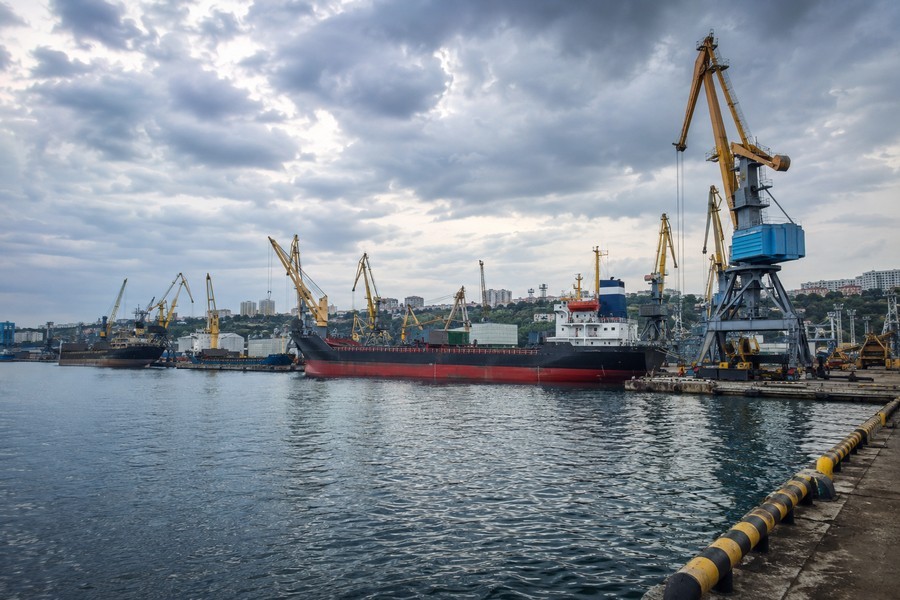
A major harbor city on the Black Sea recently faced a heavy bombardment. Ukrainian forces launched a coordinated strike using both flying drones and missiles. The attack targeted a naval base in the city, causing serious damage to several military vessels. Among the impacted ships were two frigates, a large landing ship, and a corvette.
Beyond the military targets, the assault had tragic consequences for local residents. The strikes caused casualties, resulting in at least two deaths, including a young child. The local government declared a state of emergency and shut down the city's water supply to handle the crisis. The bombardment also caused physical damage to the surrounding community, including:
- More than two dozen residential homes
- Four local businesses
- Several schools and educational facilities
Global Food Markets Feel the Shock
The port city is not just a military hub; it is also a vital exit point for global food supplies. The strikes forced two major grain terminals to stop working. Because Russia is the top exporter of wheat in the world, any pause in these shipments quickly triggers concern across the globe. Immediately following the port shutdown, wheat prices on international markets jumped by about three percent.
Local agricultural officials are trying to find other ways to ship their crops to prevent a food crisis. Experts warn that continued disruptions in the Black Sea could cause grain prices to spike even higher. This could lead to severe food shortages and hunger in vulnerable regions, particularly in parts of Africa and the Middle East.
Shipping Declines and Alternative Routes
The ongoing conflict has already made shipping goods through the region extremely dangerous. Constant attacks on cargo vessels have caused a dramatic drop in exports. Recently, over a two-week period, grain shipments fell by more than three-quarters compared to the same period in the previous year.
To keep food moving, neighboring countries are working together on new transport plans. Ukraine and another neighboring nation, Moldova, recently finalized a deal to move Ukrainian grain by train through Moldovan territory. This rail route offers a safer alternative to the dangerous sea lanes.
Air Defenses and the Broader Conflict
The violence has spread to other parts of the region as well. In a nearby peninsula annexed by Russia years ago, air defense systems were highly active. Local officials stated that military forces shot down more than three dozen drones over a key port city in that area.
As the conflict continues through its fifth year, both sides have increased the intensity of their strikes. Russia has focused on destroying warehouses and transport hubs. These actions are a direct response to Ukrainian attacks on Russian energy grids and port facilities.
The Search for a Peaceful Solution
While the fighting intensifies, there are still attempts to find a diplomatic way out. Ukrainian leaders recently shared new proposals with American representatives to help bring an end to the war, which began with a full-scale invasion several years ago. However, the two sides remain far apart on what peace should look like:
- Ukraine's position: Ukrainian leaders have consistently called for an immediate halt to the fighting and a ceasefire.
- Russia's position: Russian officials state they want a peaceful resolution, but they demand that Ukraine give up four of its regions and address the underlying causes of the dispute.
Protecting Vital Energy Lines
The agreement between the American Vice President and Ukrainian officials was designed to protect a key pipeline system. This pipeline carries oil from Central Asia to global markets and terminates near the recently attacked port. Major American energy corporations own a stake in this pipeline network. By keeping this infrastructure out of the line of fire, leaders hope to prevent a massive energy crisis that could drive up fuel prices worldwide.
