
Boost Your Memory with the Right Kind of Exercise
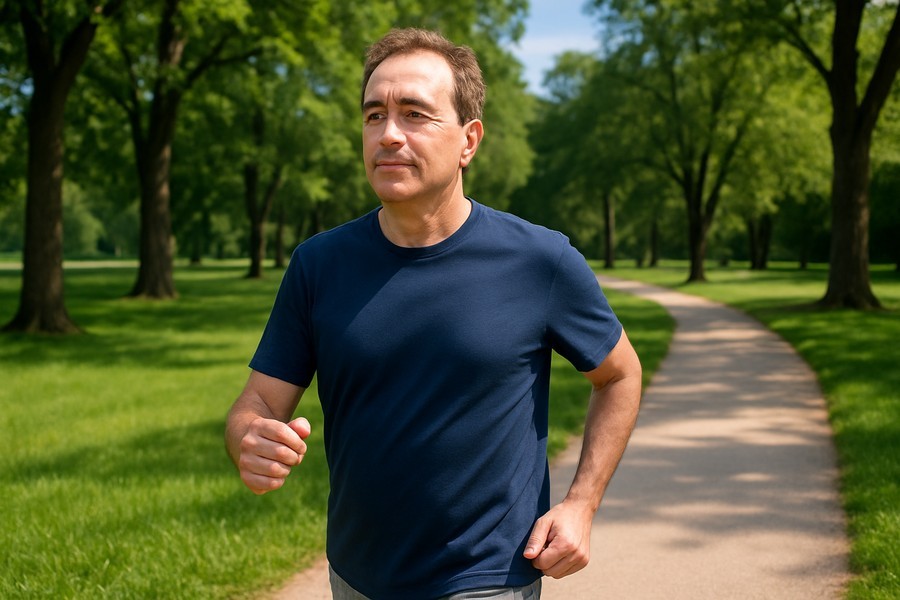
Did you know that a small amount of physical activity can create waves of activity in your brain, enhancing your ability to remember and recall information? Memory can sometimes misbehave, making it difficult to remember people's names, a shopping list, or crucial information for an exam or a job interview. But, there's a simple trick to enhance your memory when trying to learn new information: a few minutes of aerobic exercise or a brisk walk.
Previous studies have shown that our memory can be improved by doing cardio exercises. It has been widely recognized that physical activity enhances cognition. Regular physical activity not only helps us perform better in tasks but also strengthens brain areas that are vulnerable to ageing, potentially delaying cognitive decline.
The Impact of Exercise on the Brain
Physical activity can also empower an essential part of the brain associated with memory — the hippocampus. This is why it can have a positive effect on our memory. Moderate exercise a few times a week, for example, has been found to increase the size of the hippocampus. Some studies have also shown that the timing of the exercise can make a difference — going for a walk four hours after learning can improve memory retention and recall compared to exercising immediately afterwards. On the other hand, stretching exercises do not seem to provide any memory boost.
The underlying mechanisms have been difficult for scientists to understand until now. A recent research study aimed to shed light on this mystery. Neuroscientists looked at the brains of 14 people right after they exercised and noticed tiny bursts of electrical activity flowing between the brain cells, or neurons, that are known to be crucial for consolidating memories. These "brain ripples" are a phenomenon where many neurons activate together and play a key role in how the brain packages and stores memories during sleep and periods of quiet rest.
Understanding Brain Ripples
The study observed what would happen in the brains of participants after a short burst of activity. They discovered that after exercise, there was an increase in ripples in the hippocampus as well as other areas connected to the hippocampus. Researchers believe this helps the brain consolidate memories. Interestingly, these pulses were also more finely synchronized with neural activity in the rest of the brain.
This research was made possible through the collaboration with neurosurgeons who monitor electrical activity in patients undergoing evaluation for epilepsy surgery. These patients temporarily had electrodes implanted in their brains, enabling the research team to observe the electrical activity before and after exercising on an exercise bike. Although the participants did not undertake any learning as part of the study, previous studies had suggested that these "ripples" could be key to solidifying memories.
This research has provided unique insights into how the human brain works with direct measurements of electrical signaling, which is the primary currency of how the brain works. These ripples occur too quickly to be detected by standard brain scans, making this study the first to demonstrate how exercise directly influences the brain's electrical activity.
The Memory-Exercise Connection
This synchronization may provide a biological explanation for why people often remember information better if they exercise shortly after learning it. The study also found that even a brief burst of activity can increase brain ripples, showing that even short bursts of activities could benefit our memory. The hope is that this research will help reshape public health messages about physical activity and encourage us to think about ageing in a new light. This is particularly important, considering that strengthening the areas important for memory could help protect the brain from cognitive decline.
Simultaneously, we know that regular bursts of activity provide a range of other brain and body benefits as well. Research shows that a single workout can improve focus for up to two hours afterwards and immediately increase levels of the "feel-good" hormone dopamine.