
What Is Shaping Latino Voters’ Choices in California?
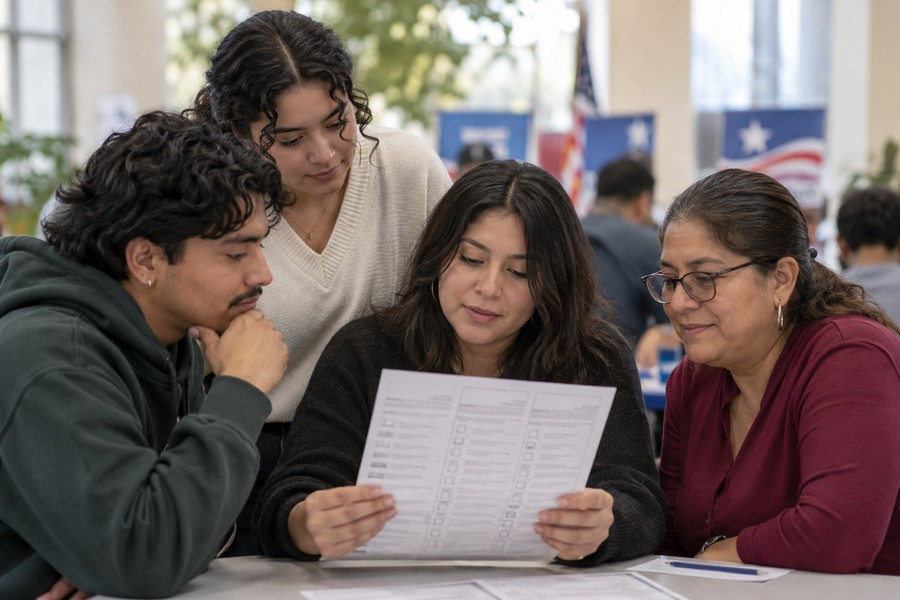
Latino voters are becoming a larger force in California politics. But having more Latino leaders does not mean Latino voters all support the same candidates or political party. Their choices can depend on many parts of their lives, including age, gender, education, money concerns and personal ties to immigration.
Democrat Xavier Becerra is leading Republican Steve Hilton in the California governor’s race. If Becerra wins, he would be the state’s first Latino governor since 1875. Alongside him, California Assembly Speaker Robert Rivas and Senate President pro tempore Monique Limón could form the strongest group of Latino leaders in the state Legislature’s history.
That possible rise in leadership comes as Latino voters show a wider range of political views. In the 2024 election, Latino voters supported Donald Trump more than they had in 2020. His support among Latino voters rose by eight percentage points nationwide and by 11 points in California.
There Is No Single Latino Voting Pattern
Latino voters make up about 40% of California’s population. Many grow up in communities where people who look like them are part of everyday life. Latino people work in a wide range of jobs, including teaching and social work. Yet Latino residents remain underrepresented in elected office.
Latino voters also do not share one set of political views. Some may focus on jobs and the cost of living. Others may be more concerned about health care, housing or immigration. Age, gender and education can also shape how people see these issues and which candidates they choose.
Research on Latino voters in California found a clear difference between Latino men and women, especially among people without a bachelor’s degree. Among Latino voters without a college degree, women were 22 percentage points more likely than men to say they were concerned about protecting immigrants.
Concern was especially high among younger Latinas. Nearly 90% of Latinas under age 30 said protecting immigrants mattered to them.
How Work and Family Ties Can Matter
People’s daily experiences can affect how they think about immigration. Some working-class Latina voters may have jobs that bring them into regular contact with undocumented relatives, friends or neighbors. Those relationships can make immigration policy a close personal concern.
Some younger and working-class Latino men may work in areas such as construction. They may feel that they are competing for jobs with undocumented workers. Those experiences can lead people to view immigration in different ways, even within the same community or family.
Work opportunities may also play a role. Jobs in law enforcement, including work with immigration enforcement, can offer a path to middle-class income without requiring a college degree. That option may appeal to some Latino men and could help explain why views on immigration differ between men and women.
These patterns do not describe every Latino voter. They point to some of the different experiences that may shape opinions. A person’s age, education, work and family connections can all matter, and no single factor explains every vote.
Economic Issues Reach Across Groups
Immigration is important to many Latino voters, but it is not their only concern. California Latino voters also name familiar economic issues as major priorities. These include the cost of living, health care, jobs and housing.
Those concerns are not unique to Latino residents. People across California are dealing with the price of daily needs, the cost of medical care and the challenge of finding stable work and housing. Candidates who address these issues may earn support from voters who want practical improvements in their lives.
For many Latino voters, party label alone may not decide who gets their vote. What matters is whether a candidate’s plans offer a future and an economy that work for them. A voter may support a Democrat in one election and a Republican in another if they believe that candidate will better address their concerns.
Representation and Voter Choices
The possible election of a Latino governor, along with Latino leaders in the state Legislature, would mark a major change in California politics. Still, greater representation does not mean Latino voters act as one political group. Their choices reflect a mix of personal experiences and shared concerns.
Understanding those choices means looking beyond a single issue or party. Immigration can be deeply personal for some voters, while the cost of living, health care, jobs and housing may be more pressing for others. Age, gender, education and work can influence how those issues are weighed.
Latino political power is growing in California, but the voters behind that change hold many different views. Their votes are shaped by what they experience and what they believe will improve their lives.