
Beyond the Label: Why Healthy Food Claims Need Real Science
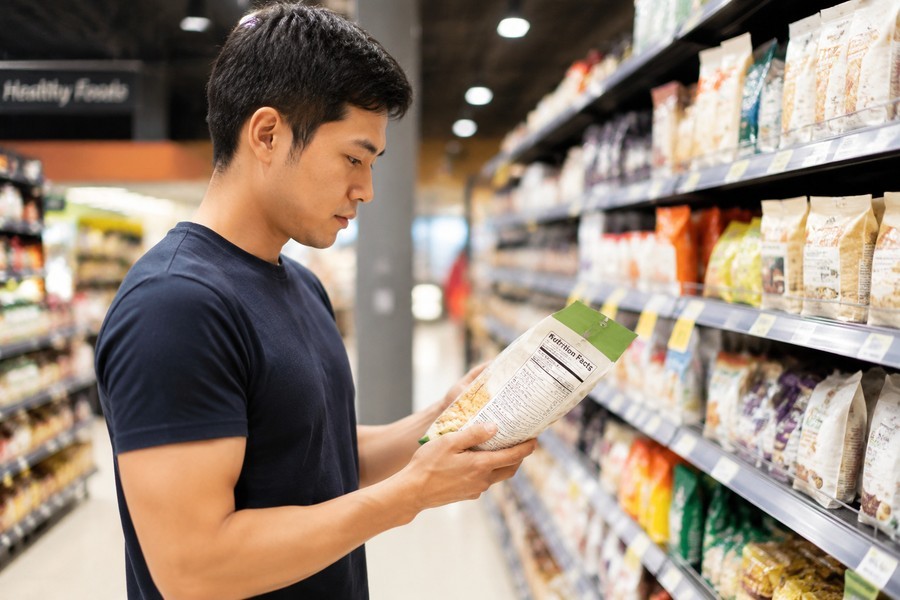
Every day, more people are looking for ways to eat healthier and take care of their bodies. When walking down the grocery store aisles, it is easy to be drawn to packages with bright labels. Words like "natural," "clean," and "plant-based" are everywhere. But how do we know if these foods are actually good for us? Often, the way a product is marketed can move much faster than the actual science behind it.
To build real trust, the food industry needs to move away from clever marketing and focus more on scientific proof. While attractive packages might catch a shopper's eye, they cannot replace high-quality ingredients, honest labeling, and strict safety testing.
The Danger of the "Health Halo"
Many shoppers fall into a trap known as the "health halo." This happens when a positive word on a package makes people assume the entire product is safe and highly nutritious. For example, when a label says "immunity-supporting," people often believe the food is automatically better for them. However, packaged foods can still carry several hidden risks, including:
- Low-quality raw ingredients
- Hidden chemical contaminants
- Misleading claims about health benefits
- Too many artificial additives
- Undeclared ingredients that could cause allergies
Because of these risks, food safety must be at the center of how products are made. True safety goes beyond what is printed on the front of the box. It requires a deep commitment to testing and quality control at every step of the manufacturing process.
How Technology Helps Track Our Food
To make food safer, many experts are pointing to the power of digital tracking systems. Knowing exactly where food ingredients come from is a major step in preventing contamination and managing risks in the supply chain.
New technologies are making this tracking much easier and more reliable. By using advanced tools, companies can keep a close eye on their products from the farm all the way to the dinner table. Some of these helpful technologies include:
- Connected sensors that monitor food temperature during shipping
- Secure digital ledgers that create a permanent record of an ingredient's journey
- Artificial intelligence to quickly spot safety issues before food reaches store shelves
Using these tools helps food companies follow safety laws, protect their products, and quickly address any issues that might come up. This is especially important in the fast-growing wellness food market.
What Research Reveals About Food Marketing
Studies from around the world show how easily consumers can be tricked by healthy-sounding labels. For instance, research on fruit juice shows that people often view it as a healthy choice because it comes from fruit. Because the packaging often highlights words like "natural" or "packed with vitamins," shoppers frequently ignore the very high amount of sugar hidden inside the bottle.
Similarly, other international studies found that labels like "low-fat," "zero-sugar," or "organic" can change how people estimate calories. When people see these words, they tend to guess that the food has far fewer calories than it actually does. This happens even when the underlying food product is not very healthy at all.
There are also growing concerns about food fraud. In some cases, laboratory tests have shown that products do not actually come from the countries claimed on their labels. In other cases, products marketed as completely pure were found to be mixed with cheaper, lower-quality ingredients. This shows that the gap between what a label promises and what is actually inside the package is a global issue.
Building a Safer Food System
To close these gaps, the food industry must focus on better infrastructure and stronger testing. This means improving how ingredients are tracked, monitoring for harmful pollutants, and making sure foods that need to stay cold are kept at the right temperature during transit. Better testing facilities are especially important for health supplements and functional foods, which are becoming highly popular.
In the long run, strict safety systems benefit both shoppers and honest businesses. They protect families from unsafe products and help reliable companies build lasting relationships with their customers. When food safety rules are strong, it reduces the risk of costly product recalls and helps companies sell their products in other countries.
The Growing Demand for Preventive Health
The push for better food safety comes at a time when people are more focused on preventive health than ever before. Instead of waiting to get sick, consumers want to use food and drinks to stay healthy. This trend has opened up major opportunities for new types of products, such as:
- Ready-to-drink wellness beverages
- Concentrated health shots
- Convenient daily nutritional supplements
In many parts of the world, especially in highly developed markets, shoppers are willing to pay a higher price for products that have science-backed health claims. They want to know that the food they are buying actually does what the package promises.
Ultimately, a pretty package might convince someone to buy a product once, but only real quality and safety will keep them coming back. As the wellness industry continues to grow, honest labeling, thorough testing, and scientific proof will be the key to turning casual shoppers into loyal customers.