
Water Company Receives Lowest Environmental Rating After Pollution Increase
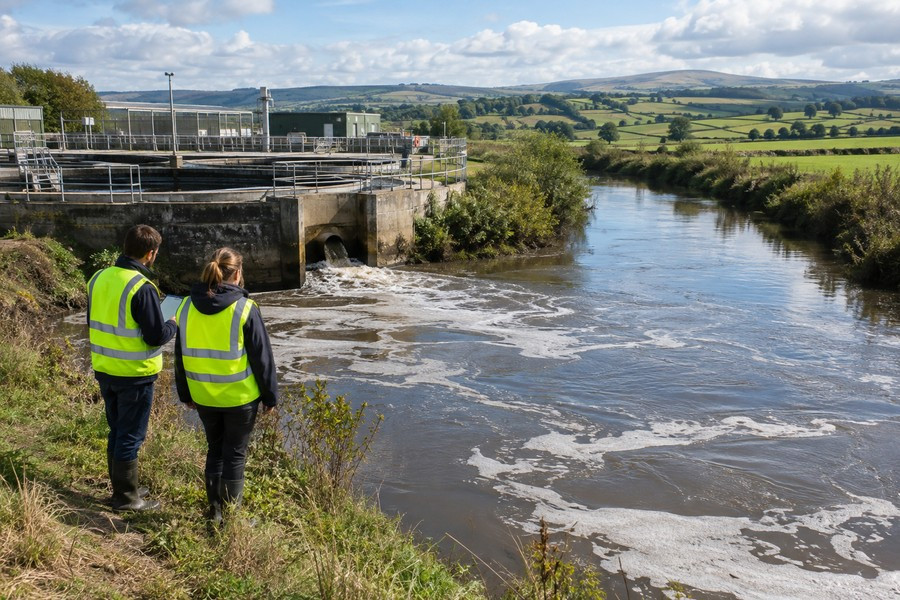
A major water company serving Yorkshire has received the lowest environmental rating after a sharp rise in pollution incidents. The company was downgraded from two stars out of four to one star by the region’s environmental regulator.
The one-star rating means the company is now classed as a poor performer because of its effect on rivers, streams, and coastal waters. The company provides water and sewer services to about 2.4 million homes across the region.
The business admitted that its environmental record needs to improve. It has promised to spend £8.3 billion on upgrades over five years. However, most of that money is expected to come from customer bills.
Pollution Incidents Rise Sharply
The regulator’s annual review measures the environmental performance of water and sewer companies in England. A major part of the review looks at how often each company causes pollution in natural waterways.
The latest results showed that the Yorkshire company was responsible for 260 pollution incidents. That was more than 70% higher than the previous total of 151 incidents and represented the company’s highest number since 2011.
The company also failed to finish six legally required environmental projects in west Leeds on time. These projects were part of a national program designed to protect water quality and improve the natural environment.
Stephanie Pullan, the company’s director of asset management, said its pollution record was not good enough. She also accepted that the six required projects had not been completed within the planned schedule.
She said the company was reviewing its daily operations and working to predict problems earlier. The company also plans to invest in its buildings, pipes, treatment plants, and other equipment over the long term.
Large Investment Planned
The company said its planned £8.3 billion investment program includes £1.5 billion to reduce storm overflow discharges. Storm overflows can send diluted sewage into rivers when heavy rain puts too much pressure on sewer systems.
The business said 300 improvement projects had already been completed across the region. These projects are intended to reduce pollution, improve treatment systems, and make the network more reliable.
Even with the planned spending, customers have faced higher bills. Average bills rose by about 30% during one recent increase and then went up by another 5.6% during the next increase.
When asked who would pay most of the cost of the improvement program, Pullan said customers would provide the larger share. She also said the bill increases had been approved under the water industry’s regulatory system.
She acknowledged that customers were angry about paying more while the company’s environmental performance had become worse.
Shareholders Have Also Provided Money
The company’s latest annual report said shareholders had invested £500 million over five years to support its improvement plans. Shareholders had also promised another £600 million to be provided by March 2027.
The company said customer payments would still make up most of the money needed for the full investment program. This has raised concern among people who believe customers should not carry most of the cost while pollution problems continue.
The company previously held the regulator’s highest rating of four stars, which described its environmental performance as industry-leading. It later received three stars before falling to two stars.
The new one-star result is the first time the company has received the lowest possible score since the current rating system began in 2011.
Questions About Executive Pay
The company’s chief executive, Nicola Shaw, has also faced continued questions about her pay. She received £732,000 from the water company during the year covered by its latest financial report.
During the same three-year period, she received three additional payments totaling £1.98 million from the company’s parent business, which is registered in Jersey.
The company said those payments were for separate work carried out for the wider business. It also said the money came from shareholders rather than customers.
The industry regulator decided that the payments were not performance-related pay. Shaw has also given up some bonuses.
A group of local lawmakers previously criticized the additional payments and called them unacceptable. Concerns about executive pay have grown as customers face rising bills and the company struggles to control pollution.
Growing Pressure to Improve
The poor rating adds to pressure on the company to improve its performance quickly. Local lawmakers have raised concerns about sewage entering rivers, including the River Ouse.
The company now faces the challenge of completing its delayed environmental projects, reducing pollution incidents, and showing that its large investment program is producing real results.
For customers, the main concern is whether higher bills will lead to cleaner rivers and better service. The company’s future ratings will depend on how well it delivers those improvements.