
Tigray Creates Temporary Government as Former Fighters Seek a Return to Civilian Life
New Administration Given Six Months
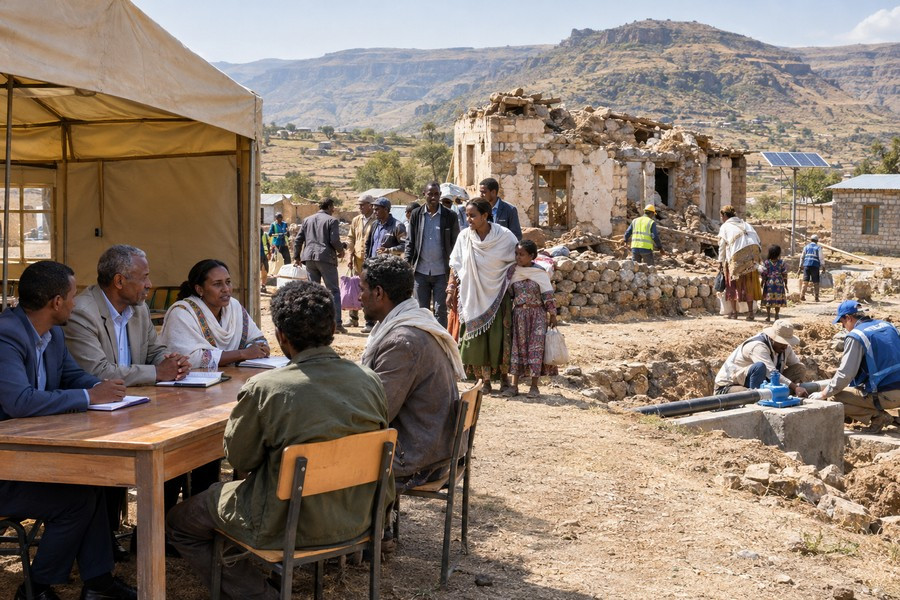
Ethiopia has created a temporary administration for the Tigray region after renewed fighting pushed the area into another crisis. The caretaker government has been given six months to restore basic services, help displaced families return home and prepare for a regional election under federal supervision.
The move came after the Tigray People’s Liberation Front, known as the TPLF, pulled out of Mekelle, the regional capital. Fighters allied with Ethiopia’s federal government then entered the city.
The latest violence has badly damaged a peace agreement that ended a two-year war in northern Ethiopia. The conflict caused widespread deaths, hunger and the collapse of health services. Researchers have estimated that about 500,000 civilians died from violence, famine and the loss of medical care during that war.
Former Fighters Register for Civilian Support
Hundreds of former combatants have begun registering for a program designed to help them leave military life and return to their families and communities.
At a memorial in Mekelle, former fighters waited in line to sign up. Some held documents while others stood under umbrellas for protection from the weather. Registration began earlier in the week, but authorities did not provide a total number of people who had joined the program.
One former fighter, a 33-year-old day laborer, said he had once been called back to his old unit. He said joining the fight had been treated as a duty, but he did not want to return to war. Instead, he wanted to work and raise his children.
He had surrendered his weapons after the peace agreement but was unable to complete the registration process before the program was suspended as tensions rose again. He said other former fighters were also signing up because they wanted to avoid another conflict.
Several young men at the registration center refused to speak publicly. They feared punishment from the TPLF or from others connected to the fighting.
Pressure on Those Who Cooperate
The TPLF has criticized Tigrayans who work with Ethiopia’s federal government. It has called them traitors and warned that they could face public judgment and punishment.
Former fighters have faced pressure from both sides. Some were told to return to their former units during a campaign to rebuild military forces. The TPLF has said that people defending Tigray joined voluntarily, while others have described the recruitment effort as compulsory.
Helping former combatants disarm, leave the military and rebuild their lives was a major part of the earlier peace agreement. The new registration program is intended to restart that process.
Fighting May Continue Outside Major Cities
Ethiopia’s federal government has accused the TPLF of blocking the peace process and says the latest fighting ended with the group’s defeat. The TPLF has urged its forces to keep fighting and has asked people in Tigray to support its cause.
The loss of Mekelle and other towns does not necessarily mean the conflict is over. Control of cities and major roads may make it harder for Tigrayan fighters to move supplies and organize attacks, but large rural areas remain difficult to control.
During the earlier war, Tigrayan forces were able to regroup in remote areas. The same pattern could happen again, allowing fighting to continue away from major population centers.
Risk of a Wider Regional Conflict
Ethiopia has also accused troops from neighboring Eritrea of occupying parts of Ethiopian territory. Eritrea has rejected Ethiopia’s position and said the claim that Ethiopia was acting in self-defense amounted to a declaration of war.
Eritrean forces fought alongside Ethiopia’s federal army during the earlier conflict. Their presence near Tigray has raised fears that the renewed fighting could spread beyond Ethiopia’s borders.
The close position of Ethiopian and Eritrean forces creates a serious risk of further escalation. American officials have urged both sides to reduce tensions and avoid a larger war.
For now, Tigray faces the difficult task of restoring government services, helping displaced people return and supporting former fighters who want to live as civilians. Whether those efforts succeed will depend on whether the region’s political and military leaders choose to continue fighting or return to negotiations.