
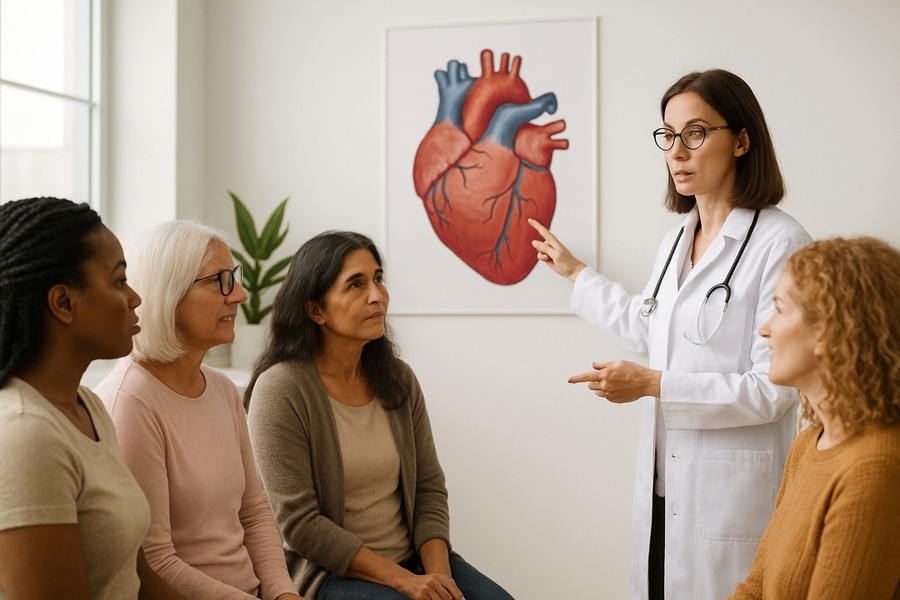
The Hidden Health Risk for Women: Heart Disease
Despite popular belief, the most significant health risk for women is not cancer, but rather heart disease. This silent killer is responsible for nearly 20% of all female deaths in the United States. Yet, surprisingly, only slightly over half of women are aware of this danger.
Heart disease is the leading cause of death for women of all ages, surpassing even breast cancer. This is a fact that should alert women from the tender age of 18 and onwards.
Dispelling Misconceptions about Women's Heart Disease
There is a common misconception that women's chest pain is often "atypical." However, this is a misleading term. It implies that women, who constitute 51% of the population, are considered abnormal compared to 49% of men, which is illogical.
Historically, research on cardiovascular disease has centered on men, leading to a skewed understanding of the condition. For instance, the conventional symptoms associated with a heart attack, such as chest pain, sweating, and pain radiating down the left arm, are often thought of as typical for men but not necessarily for women.
Recognizing the Symptoms of Heart Attacks in Women
When a woman suffers a heart attack, she is more likely to experience pain in the upper back, arm, neck, and jaw. In addition, women are more likely to experience pain between the shoulder blades, nausea, vomiting, and shortness of breath, all of which are less commonly associated with heart attacks in men.
It's crucial to understand that both genders can present heart attack symptoms without the 'typical' feeling of pain. The classic description of a heart attack often involves the sensation of an elephant standing on the chest, or unbearable pain. However, this is not always the case, particularly for women.
Women's Unique Experience with Heart Disease
Women are 30% less likely than men to report chest pain during a heart attack. Instead, they may describe their experience as discomfort rather than outright pain. They are also more likely to report a variety of symptoms compared to men.
Alarmingly, even while experiencing a heart attack, many women delay seeking medical help longer than men. They are also more frequently misdiagnosed, with their symptoms dismissed as unrelated to their heart. Women often minimize their symptoms out of fear of being labeled as overreacting or a "hypochondriac."
Improving Women's Heart Health Care
Improvements in the medical evaluation process could potentially save many women's lives. Women are encouraged to be proactive about their health. This includes bringing a list of questions to their medical checkups and openly discussing any concerns about heart disease. They should ensure they discuss every symptom and inquire about all available tests for a comprehensive evaluation.
Both men and women can take positive steps to safeguard their heart health. It's recommended that everyone, regardless of gender, adopt healthy lifestyle habits. This includes a balanced diet, regular exercise, quitting tobacco, quality sleep, and managing weight, cholesterol, blood sugar, and other vital health numbers.
The Importance of Education on Women's Heart Health
Education on women's heart health is vital. The misconception that heart disease is a man's disease is harmful and inaccurate. If you don't actively search for it, you're not going to find it. Therefore, it's essential for women to be vigilant about their heart health and seek proper medical care when necessary.
